


Are you looking for a LiFePO4 battery? At Intercel, you can find the right lithium iron phosphate batteries for your application. These batteries are safe, reliable and have a long service life. Discover the many advantages of LiFePO4 batteries or order the battery you need directly from our wide range!
What is a LiFePO4 battery?
A LiFePO4 battery (also known as an lfp battery) is a rechargeable lithium battery that uses lithium iron phosphate (LiFePO4), also known as LFP, as the cathode material. During charging and discharging, lithium ions move between the positive and negative electrodes to store and release electrical energy.
LiFePO4 stands for lithium (Li), iron (Fe) and phosphate (PO4). This chemistry is known for its excellent thermal stability, long cycle life and high level of safety. Compared to other lithium battery chemistries, such as NMC (nickel manganese cobalt) or lithium cobalt oxide (LCO), LiFePO4 batteries are less prone to overheating and provide a longer operational lifetime, making them particularly suitable for demanding industrial and commercial applications.
Today, LiFePO4 batteries are widely used in material handling equipment, AGVs, cleaning machines, mobility equipment, marine applications, backup power systems, telecommunications and custom electrification projects where reliability and low maintenance are essential.
Why has LiFePO4 become the preferred lithium battery chemistry?
Not all lithium batteries are the same. Different lithium chemistries have been developed to optimise specific characteristics such as energy density, charging speed, safety or lifespan. While chemistries like NMC offer high energy density, LiFePO4 has become the preferred choice for many industrial and commercial applications because it provides the best balance between safety, durability and total cost of ownership.
Its ability to withstand thousands of charge and discharge cycles, deliver consistent performance and operate safely under demanding conditions makes LiFePO4 an ideal solution for equipment that is used every day. From forklifts and AGVs to backup power systems and electrification projects, many organisations choose LiFePO4 because reliability matters more than achieving the highest possible energy density.
Advantages of LiFePO4 batteries
LiFePO4 batteries offer several advantages over traditional lead-acid batteries and many other lithium battery chemistries. Their combination of safety, long service life and high efficiency makes them one of the most reliable battery technologies available today.
The most important advantages of LiFePO4 batteries include:
✓ Utilize more than full capacity
Unlike lead-acid batteries, LiFePO4 batteries can be discharged much deeper without negatively affecting their lifespan. In many applications, nearly the entire battery capacity can be used, allowing more energy to be delivered from a battery of the same nominal capacity.
A 100 Amp-hour (Ah) LiFePO4 battery, for example, can deliver the full 100 Ah. For a 100 Ah lead-acid battery, the usable capacity is no more than 30 to 50 Ah.
✓ Long cycle life
One of the biggest advantages of LiFePO4 batteries is their exceptional cycle life. Depending on the battery design, depth of discharge and operating conditions, LiFePO4 batteries typically deliver more than 2,000 charge and discharge cycles at 100% depth of discharge. When operated at a lower depth of discharge, the cycle life can increase to well over 8,000 cycles.
By comparison, many conventional lead-acid batteries deliver only a few hundred cycles under similar operating conditions. The significantly longer service life reduces battery replacements, lowers maintenance requirements and can result in a substantially lower total cost of ownership over the lifetime of the application.
✓ Fast and easy charging
LiFePO4 batteries charge at lightning speed to 100% of their capacity. With a normal charger, charging takes only an hour. With a powerful charger, the lithium iron phosphate battery is even charged to full capacity within half an hour. If the battery is not 100% charged, it is not a problem. This is a significant advantage over lead-acid batteries, where incomplete charging can lead to damage. Also, lithium iron phosphate batteries do not have an absorption phase to charge the last 20% of the battery. Thanks to the “Battery Management System,” the cells are charged evenly. After charging, the battery is immediately ready for use. This makes this type of battery very easy and flexible to use.
✓ Low maintenance
To achieve the lifespan given above, virtually no maintenance is required. Whereas with lead-acid batteries it is important to maintain and use them properly, this plays virtually no role with LiFePO4 batteries. They can be discharged to 100% and do not always need to be fully charged.
✓ Temperature resistant
LiFePO4 batteries can withstand extreme temperatures. The loss of capacity is then minimal. At a temperature of -20 ˚C, the capacity of a LiFePO4 battery is still 80%, whereas with a lead battery it is only 30%. Even at high temperatures above zero, the lithium iron phosphate battery functions excellently.
✓ Flat discharge curve
LiFePO4 batteries maintain a relatively constant voltage throughout most of the discharge cycle. This ensures that connected equipment continues to perform consistently, even when the battery is nearly depleted. Applications that require stable power benefit from this predictable voltage curve.
✓ Low weight, convenient size
LiFePO4 batteries are very light and small compared to lead-acid batteries: they weigh only a quarter of comparable lead-acid batteries. Due to their convenient size, they can easily be placed in many places. In addition, they can be placed in any position because there is no danger of leakage. Also, the room in which the LiFePO4 battery is placed does not need to be ventilated.
✓ Excellent safety
Safety is one of the main reasons why LiFePO4 has become the preferred lithium chemistry for many industrial applications. Lithium iron phosphate is inherently more thermally stable than chemistries such as NMC or lithium cobalt oxide. Combined with a high-quality Battery Management System (BMS), this greatly reduces the risk of overheating or thermal runaway.
LiFePO4 vs. NMC: what is the difference?
LiFePO4 and NMC (Nickel Manganese Cobalt) are two of the most widely used lithium battery chemistries. While both belong to the lithium-ion family, they are designed to optimise different characteristics.
LiFePO4 batteries are valued for their excellent thermal stability, long cycle life and reliability. NMC batteries offer a higher energy density, allowing more energy to be stored in the same volume or weight. This makes NMC a popular choice for applications where compactness and driving range are key considerations, such as electric passenger vehicles.
Both chemistries can be used safely when combined with an appropriate Battery Management System (BMS) and designed for their intended application. The choice between LiFePO4 and NMC ultimately depends on the specific requirements of the application.
Neither chemistry is universally better than the other. The right choice depends on the requirements of the application. If maximum runtime in the smallest possible package is the priority, NMC may be the better option. If safety, long service life, low maintenance and frequent cycling are more important, LiFePO4 is often the preferred solution.
| Feature | LiFePO4 (LFP) | NMC |
|---|---|---|
| Safety | Excellent thermal stability | Good, but requires more protection |
| Cycle life | Very long (2,000 – 8,000+ cycles)¹ | Long |
| Energy density | High | Very high |
| Charging | Fast | Fast |
| Maintenance | Minimal | Minimal |
| Cost | Lower lifetime cost | Higher energy per kg |
¹ Depending on battery design, operating conditions and depth of discharge.
What applications are LiFePO4 batteries used for?
Thanks to their long service life, excellent safety and reliable performance, LiFePO4 batteries are used across a wide range of industries. From marine applications to traffic systems and from energy storage systems to off-grid standalone systems. Wondering if LiFePO4 batteries are also the solution for your application? Contact our experts.
LiFePO4 batteries at Intercel
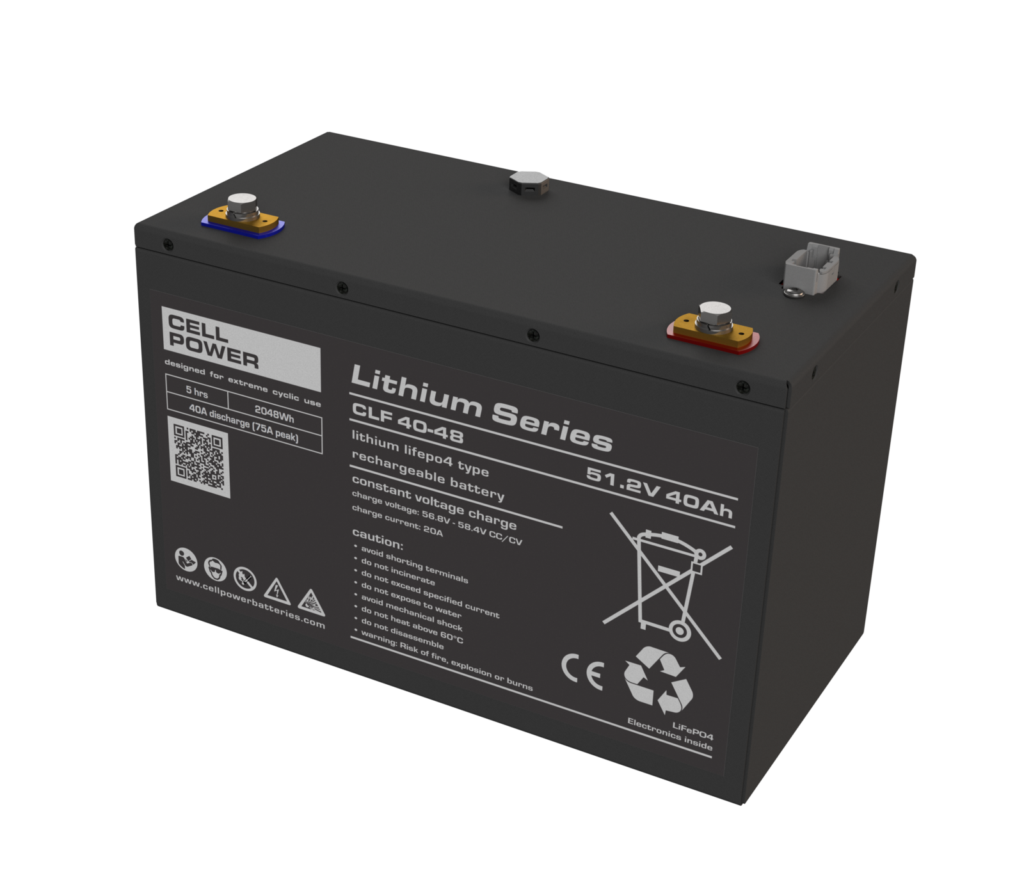
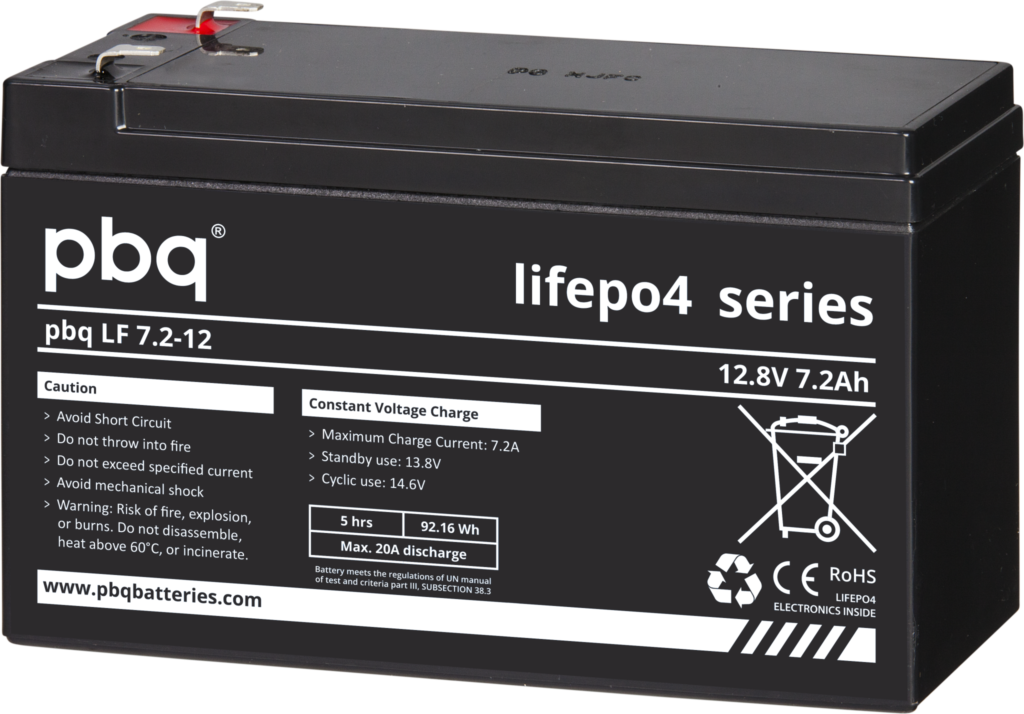
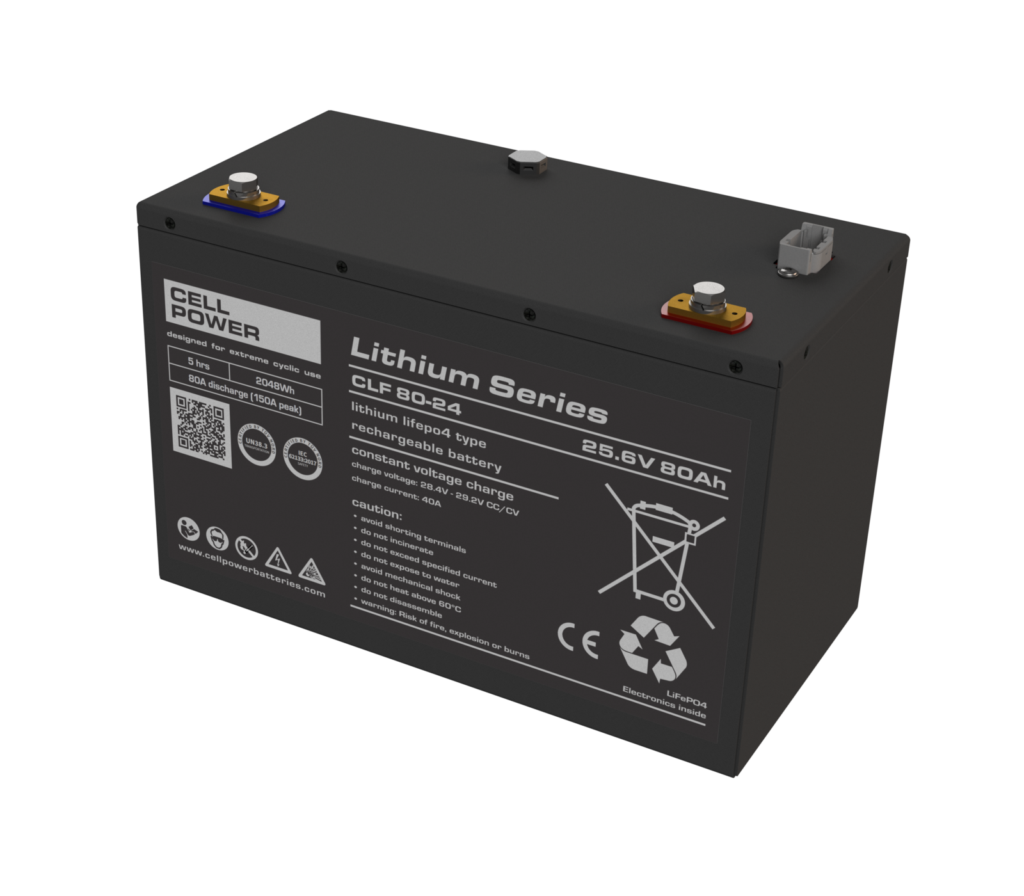
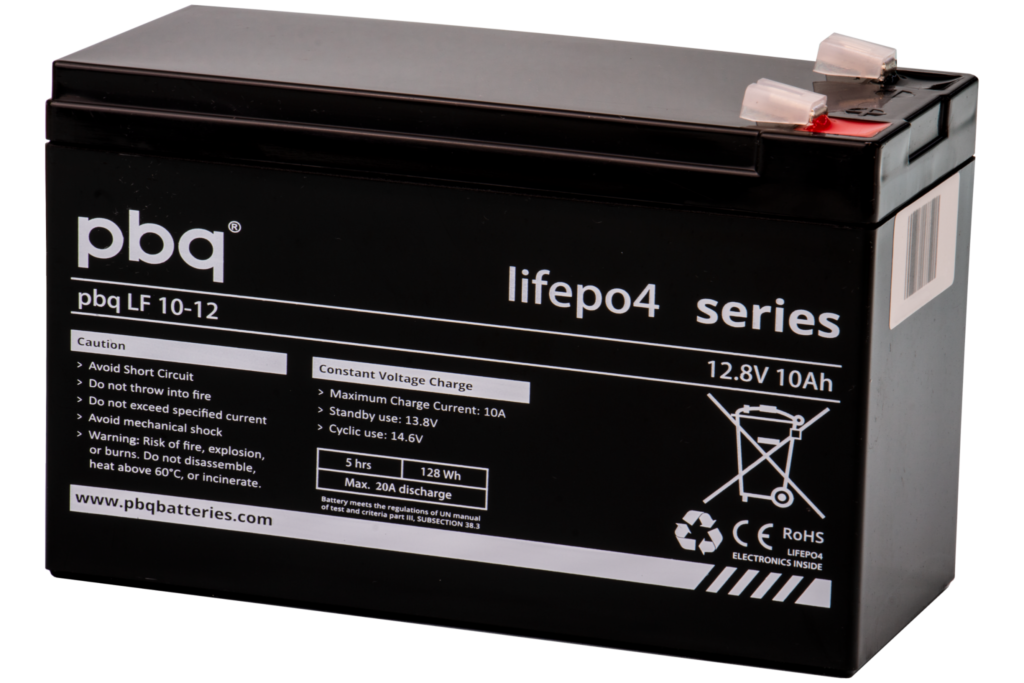
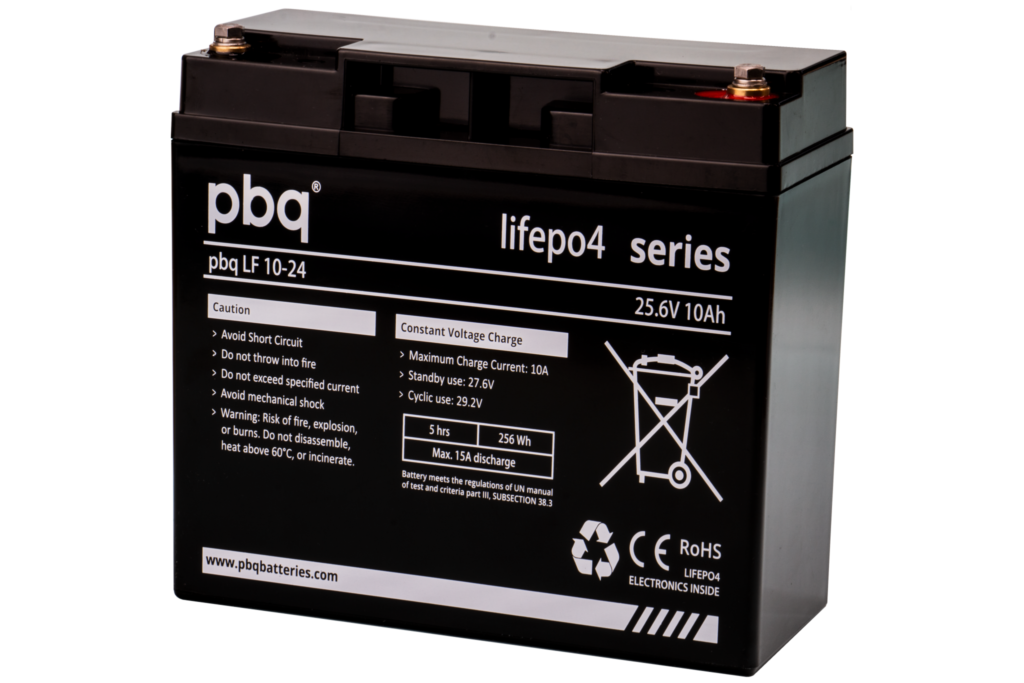
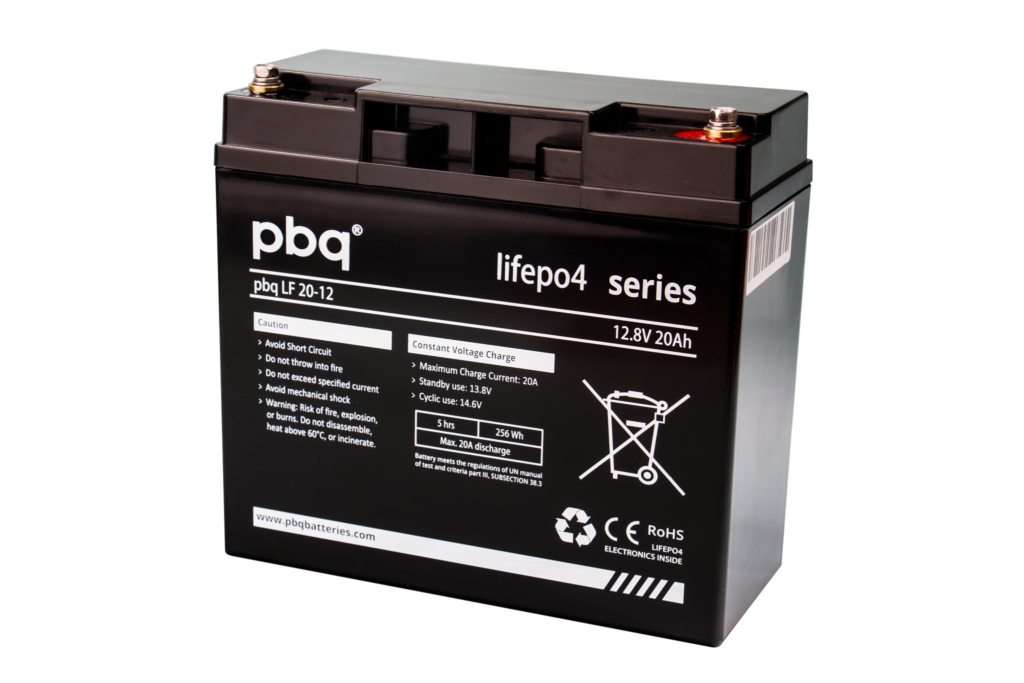
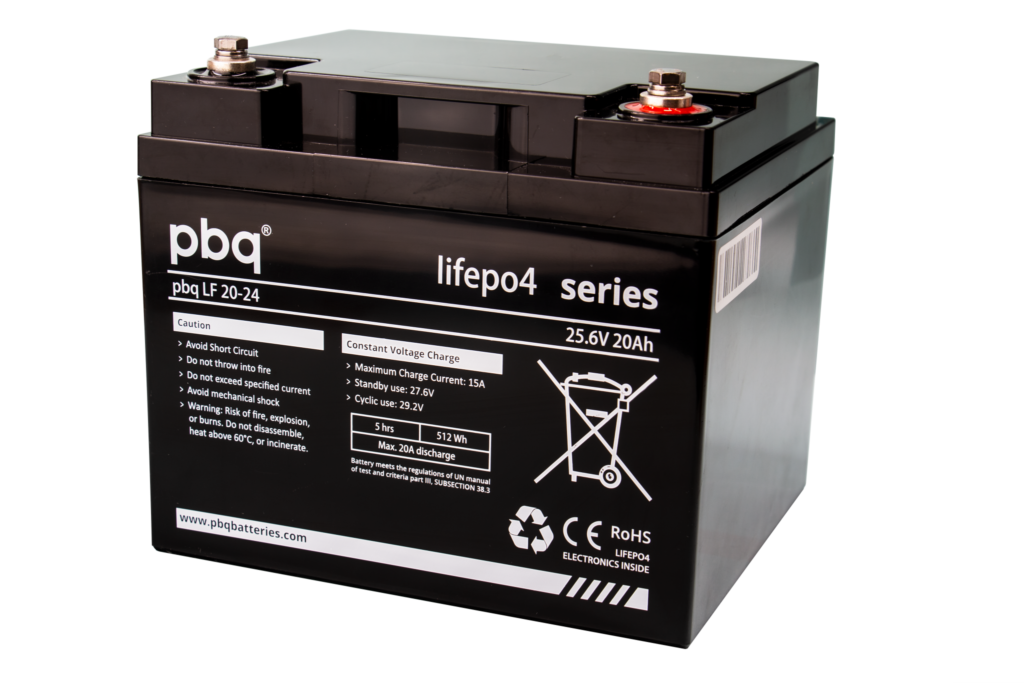
Intercel supplies high-quality LiFePO4 batteries from pbq and Cellpower. The Cellpower batteries are modular. This means that they are always custom configured for your application. As a result, battery and application are always perfectly matched. pbq batteries are available in a variety of sizes and capacities as standard. So we can always find a ready-made solution for your application.
Looking for a specific Lithium battery?
Our specialists are happy to help you determine the best suitable battery for your real-world situation.
Lfp for motive applications
LiFePO4 batteries are widely used in electrically powered equipment that is charged and discharged daily. Their long cycle life, fast charging capabilities and high usable capacity make them ideal for applications where productivity and uptime are essential.
Typical motive applications include forklifts, autonomous mobile robots (AGVs), cleaning machines, mobility equipment and other electrically powered industrial vehicles.
Lfp for energy storage
LiFePO4 batteries have become the preferred battery chemistry for many commercial and industrial energy storage systems. Their long lifespan, high cycling capability and excellent thermal stability make them well suited for applications such as peak shaving, self-consumption of solar energy, backup power and microgrids.
As renewable energy adoption continues to grow, LiFePO4 plays an increasingly important role in storing energy safely and efficiently for later use.
Lfp for the electification of machines
LiFePO4 technology is increasingly used in custom battery packs for the electrification of heavy-duty and off-highway equipment. The combination of long service life, high safety standards and flexible battery design makes LiFePO4 well suited for demanding industrial environments.
Examples include construction equipment, agricultural machinery, municipal vehicles and other custom electrification projects.
Lfp batteries for backup power
In backup power applications, reliability is critical. LiFePO4 batteries provide dependable energy storage for systems that must remain operational during power outages or grid disturbances. Their long service life and minimal maintenance requirements also help reduce operational costs over time.
Typical applications include UPS systems, telecommunications, emergency lighting, security systems and critical infrastructure.
Choosing the right LiFePO4 battery
Selecting the right LiFePO4 battery depends on more than just voltage and capacity. The battery should be matched to the application’s power requirements, operating conditions and expected service life to achieve the best performance and lowest total cost of ownership.
When selecting a LiFePO4 battery, consider the following factors:
Voltage and capacity
Choose a battery with the correct voltage and sufficient capacity to power your equipment for the required operating time. An undersized battery may reduce performance, while an oversized battery can increase costs unnecessarily.
Charge and discharge requirements
Consider both the continuous and peak current required by the application. The battery and Battery Management System (BMS) must be capable of safely delivering the required power.
Operating environment
Temperature, humidity, vibration and available installation space all influence battery selection. Applications operating in demanding environments may require additional protection or battery heating for optimal performance.
Battery Management System (BMS)
A high-quality Battery Management System is essential for protecting the battery against overcharging, deep discharge, overcurrent and excessive temperatures. It also helps maximise battery performance and service life.
Standard battery or custom battery pack
While standard LiFePO4 batteries are suitable for many applications, some projects require a custom-designed battery pack. Factors such as available installation space, communication protocols, charging strategy and mechanical integration often determine whether a standard or customised solution is the best fit.
FAQ
What is LiFePO4?
LiFePO4 stands for Lithium (Li) Iron (Fe) Phosphate (PO4), a type of lithium-ion battery chemistry known for its safety, long service life and thermal stability.
Compared to other lithium battery chemistries, LiFePO4 batteries offer a lower risk of thermal runaway, a long cycle life and reliable performance in demanding industrial applications. As a result, they are widely used in energy storage systems, backup power installations, mobile machinery and other applications where safety and longevity are important.
Are LiFePO4 batteries safe for indoors?
Yes, LiFePO4 batteries are considered one of the safest lithium battery chemistries for indoor use when they are properly designed, installed and operated. Compared to many other lithium-ion chemistries, lithium iron phosphate offers excellent thermal stability and is significantly less prone to thermal runaway.
Modern LiFePO4 batteries are equipped with an integrated Battery Management System (BMS), which continuously monitors parameters such as voltage, current and temperature. The BMS helps protect the battery against overcharging, deep discharge, overcurrent and overheating, contributing to safe and reliable operation.
As with any battery technology, the battery should always be installed according to the manufacturer’s instructions and applicable local regulations. Choosing a high-quality battery that complies with the relevant safety standards is essential for safe indoor operation.
Can a LiFePO4 battery replace a lead-acid battery?
In many applications, yes. LiFePO4 batteries are often used as a replacement for AGM, GEL or other lead-acid batteries because they offer a longer service life, faster charging, higher usable capacity and virtually maintenance-free operation.
However, replacing a lead-acid battery involves more than selecting the same voltage and capacity. Factors such as the charging system, maximum charge and discharge currents, available installation space and communication between the battery and the application should all be evaluated.
For many industrial, standby and electrification applications, switching to LiFePO4 can reduce maintenance, improve productivity and lower the total cost of ownership. The most suitable replacement depends on the specific requirements of the application.
Considering switching? We wrote a page to help you decide.
What should be considered when replacing lead-acid batteries with LiFePO4?
Before replacing a lead-acid battery with LiFePO4, several factors should be evaluated:
– Continuous and peak power requirements
– Battery capacity and required runtime
– Available installation space
– Operating temperature
– Communication requirements
– Existing monitoring systems
A like-for-like capacity replacement is not always necessary, as LiFePO4 batteries can typically be discharged much deeper than lead-acid batteries. Considering switching? We wrote a page to help you decide.
How many cycles can a LiFePO4 battery deliver in real-world applications?
The actual cycle life depends on operating conditions, but most high-quality LiFePO4 batteries can deliver between 2,000 and 6,000 cycles. Some industrial systems can exceed this under favourable conditions.
Factors such as depth of discharge, charging behaviour, temperature and operating environment all influence the achievable service life.
What factors influence the lifespan of a LiFePO4 battery?
Several factors affect the lifespan of a LiFePO4 battery:
– Operating temperature
– Depth of discharge (DoD)
– Charging and discharging currents
– Number of cycles
– Battery quality
– Battery Management System performance
– Storage conditions
Keeping the battery within its recommended operating limits can significantly extend its service life.
Can LiFePO4 batteries be used in cold environments?
Yes, LiFePO4 batteries can be used in extreme cold environments, without having a high impact on battery performance.
At a temperature of -20 ˚C, the capacity of a LiFePO4 battery is still 80%, whereas with a lead battery it is only 30%. Even at high temperatures above zero, the lithium iron phosphate battery functions excellently.
Do LiFePO4 batteries require a Battery Management System (BMS)?
Yes. A Battery Management System (BMS) is an essential part of any LiFePO4 battery system.
The BMS protects the battery against overcharging, deep discharge, overcurrent and extreme temperatures. It also balances the individual cells to maximise performance, safety and service life.
Can LiFePO4 batteries be connected in series and parallel?
Many LiFePO4 batteries can be connected in series and/or parallel to increase voltage or capacity. However, this depends on the battery design and BMS capabilities.
How do I determine the right LiFePO4 battery for my application?
Selecting the right battery involves more than choosing the required voltage and capacity.
Important considerations include:
– Required runtime
– Continuous power demand
– Peak power demand
– Charging opportunities
– Installation space
– Environmental conditions
– Communication interfaces
– Safety requirements
A battery that is correctly matched to the application will typically provide better performance, longer service life and a lower total cost of ownership.
Not sure? Our experts can help you determine the right battery for your application.
Is it always beneficial to switch from lead-acid to LiFePO4?
Not necessarily.
LiFePO4 offers many advantages, including longer service life, faster charging and reduced maintenance. However, for applications with limited usage, low cycle requirements or strong budget constraints, lead-acid technologies such as AGM or lead carbon may still be a suitable solution.
The best choice depends on the technical requirements and the expected lifetime of the application. Considering switching? We wrote a page to help you decide.
When does LiFePO4 offer the lowest total cost of ownership?
LiFePO4 typically delivers the lowest total cost of ownership when batteries are used intensively and regularly cycled.
Applications that benefit most include:
– Mobile machinery
– Material handling equipment
– Robotics
– Telecom systems
– Solar energy storage
– Backup power systems
– Energy storage systems
In these applications, the longer lifespan, higher efficiency, lower maintenance requirements and reduced downtime often outweigh the higher initial investment.
What is LFP?
LFP is the abbreviation for lithium iron phosphate, the same battery chemistry referred to as LiFePO4. The two terms are used interchangeably and describe exactly the same type of lithium battery.
LFP batteries are known for their long service life, excellent thermal stability and low maintenance requirements. They are widely used in industrial applications, energy storage systems, backup power and electrically powered equipment where safety and reliability are key priorities.
What is the difference between LiFePO4 and NMC?
LiFePO4 and NMC are both lithium-ion battery chemistries, but they are designed for different priorities.
LiFePO4 batteries are known for their long cycle life, excellent thermal stability and high level of safety. They are commonly used in industrial equipment, backup power systems and energy storage applications where reliability and long-term performance are essential.
NMC (Nickel Manganese Cobalt) batteries offer a higher energy density, allowing more energy to be stored in a smaller and lighter package. For this reason, NMC is often used in electric passenger vehicles and portable electronics where maximising range or minimising weight is a priority.
Neither chemistry is inherently better than the other. The right choice depends on the specific requirements of the application.
What is NMC?
NMC stands for Nickel Manganese Cobalt, one of the most widely used lithium-ion battery chemistries. By combining nickel, manganese and cobalt in the cathode, NMC batteries achieve a high energy density, allowing more energy to be stored in a relatively small and lightweight battery.
Because of this high energy density, NMC batteries are commonly used in electric passenger vehicles, power tools and portable electronics where maximising range or minimising weight is important.
Compared to LiFePO4 batteries, NMC batteries generally offer a higher energy density, while LiFePO4 batteries are known for their longer cycle life, excellent thermal stability and high level of safety. The most suitable battery chemistry depends on the specific requirements of the application.
What factors influence the lifespan of a LiFePO4 battery?
Several factors determine how long a LiFePO4 battery will last. The most important are the depth of discharge, operating temperature, charging profile and the quality of the battery and its Battery Management System (BMS).
Frequently discharging the battery to a lower depth of discharge generally extends its cycle life. Using a compatible battery charger, avoiding prolonged exposure to extreme temperatures and selecting a battery that is correctly sized for the application also help maximise performance and lifespan.
Choosing a high-quality LiFePO4 battery with an advanced BMS ensures the cells remain protected and balanced throughout their service life.
LiFePO4 advantages
LiFePO4 batteries offer several advantages over traditional lead-acid batteries and many other lithium-ion chemistries. Their main benefits include a long cycle life, excellent thermal stability, fast charging, high usable capacity and virtually maintenance-free operation.
They also provide a stable voltage throughout most of the discharge cycle, perform well across a wide temperature range and are significantly lighter than comparable lead-acid batteries. These characteristics make LiFePO4 batteries a popular choice for industrial equipment, backup power systems, energy storage and custom electrification projects where reliability and a low total cost of ownership are important.
LiFePO4 batteries at Intercel
-
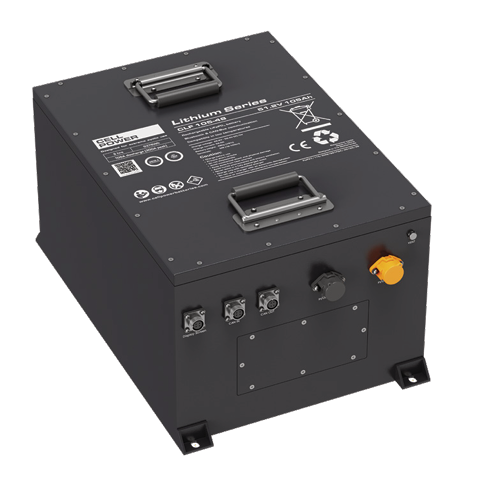
Cellpower CLF 105 – 48
More info: Cellpower CLF 105 – 48- 500 x 343 x 272 mm
- Cyclic
- 105 Ah
- Lithium
- 48 V
-
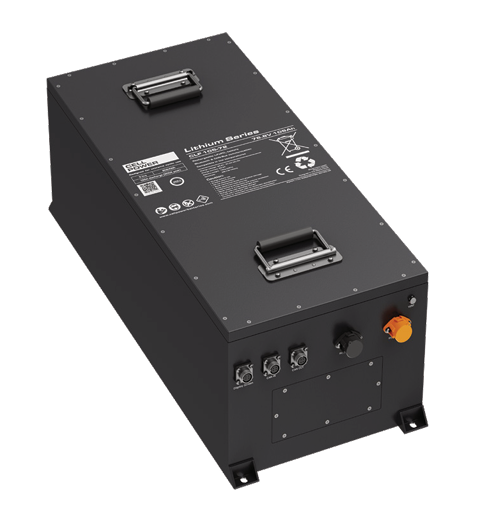
Cellpower CLF 105 – 72
More info: Cellpower CLF 105 – 72- 740 x 320 x 262 mm
- Cyclic
- 105 Ah
- Lithium
- 72 V
-
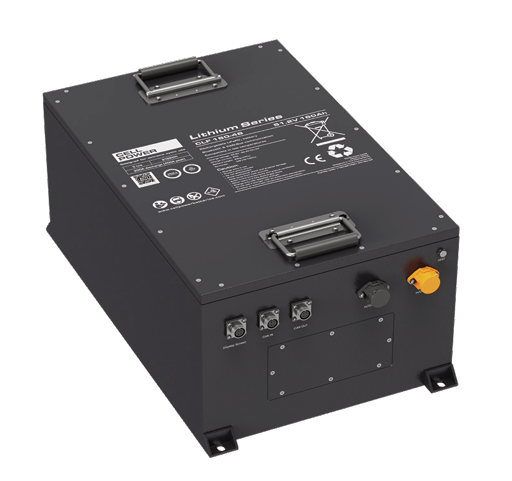
Cellpower CLF 160 – 48
More info: Cellpower CLF 160 – 48- 579 x 360 x 266 mm
- Cyclic
- 160 Ah
- Lithium
- 48 V
-
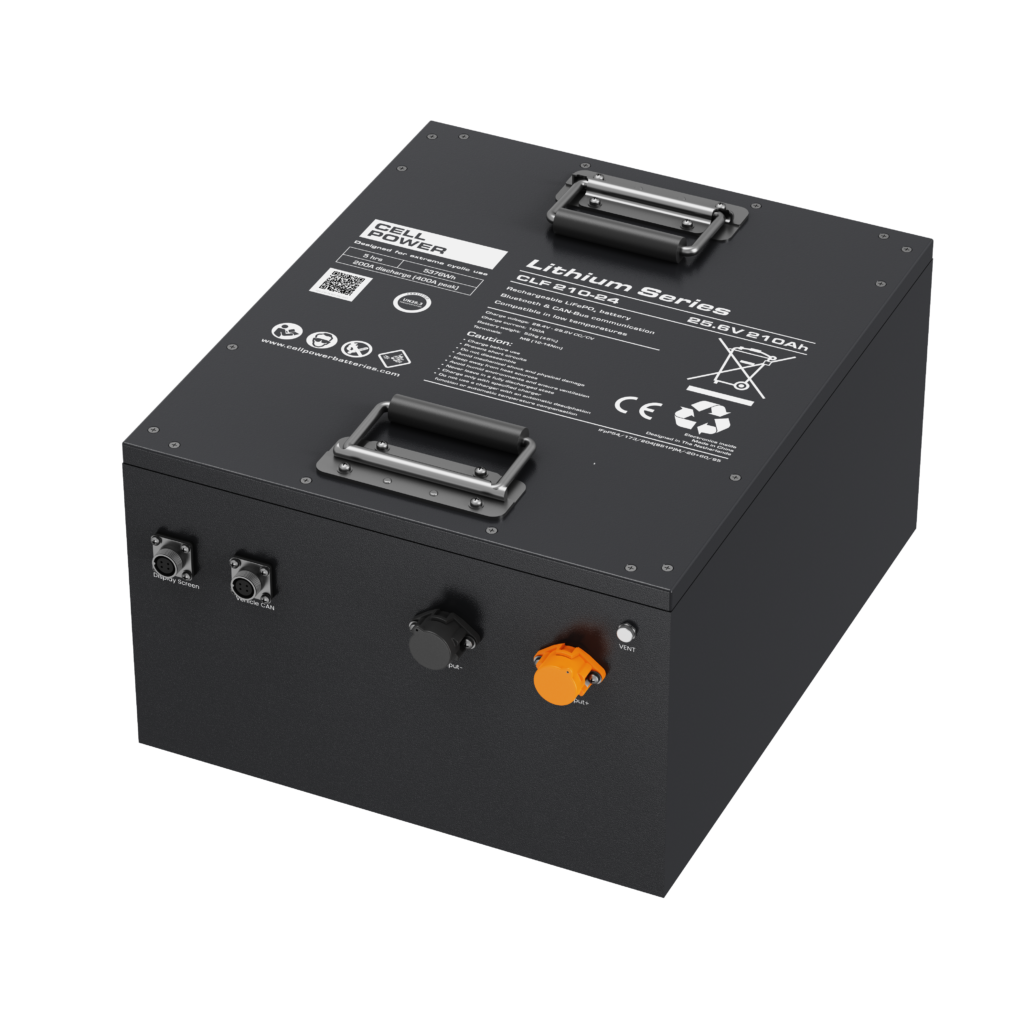
Cellpower CLF 210 – 24
More info: Cellpower CLF 210 – 24- 443 x 355 x 241 mm
- Cyclic
- 210 Ah
- Lithium
- 24 V
Customer stories
-
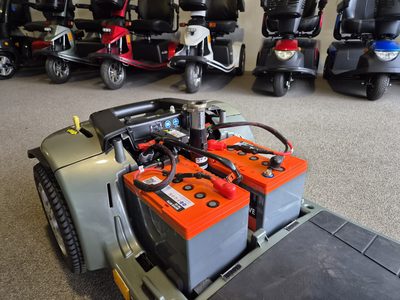
Achterhoek-Comfort – Mobility scooters with GEL batteries
We have been delighted to work with Intercel (formerly Wetac) for many years. Both before and after the merger, we have been very satisfied with the products…
-
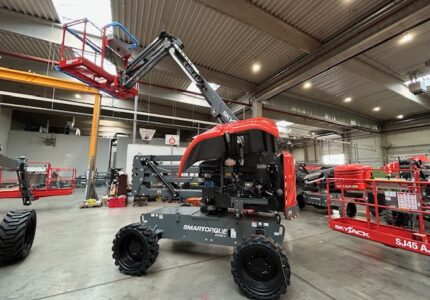
Skyjack – Batteries for Aerial Working Platforms
Intercel offered us excellent options both from technical and commercial point of view. We could choose the best solutions for our applications from their wide range of…
-
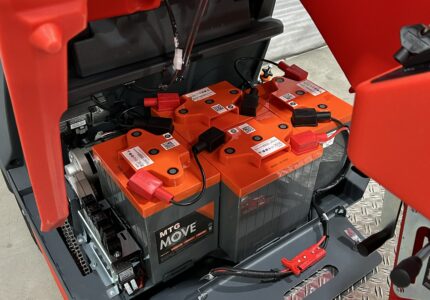
Stolzenberg GmbH – Batteries for Ride-on Sweeper
Our collaboration with Intercel has been very positive throughout. Their solution-oriented approach and professional communication are excellent. Even when
Need help selecting the right battery?
Not sure which battery is compatible with your application? Our battery specialists can help you select the best suitable battery based on battery chemistry, voltage, capacity and application requirements.
Explore all battery technologies
Discover the different battery technologies and where each truly powers ahead.