

What is a battery container?
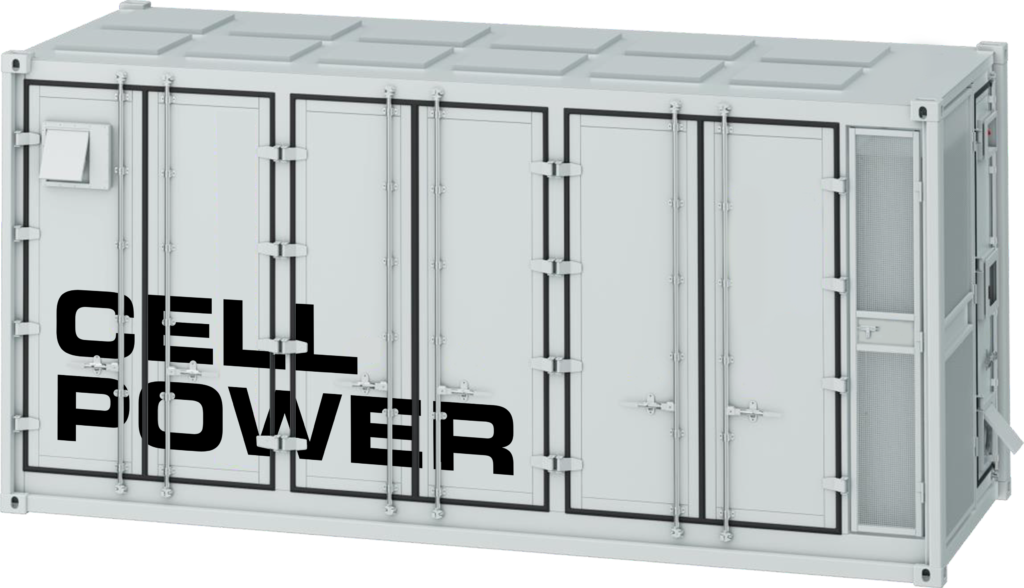
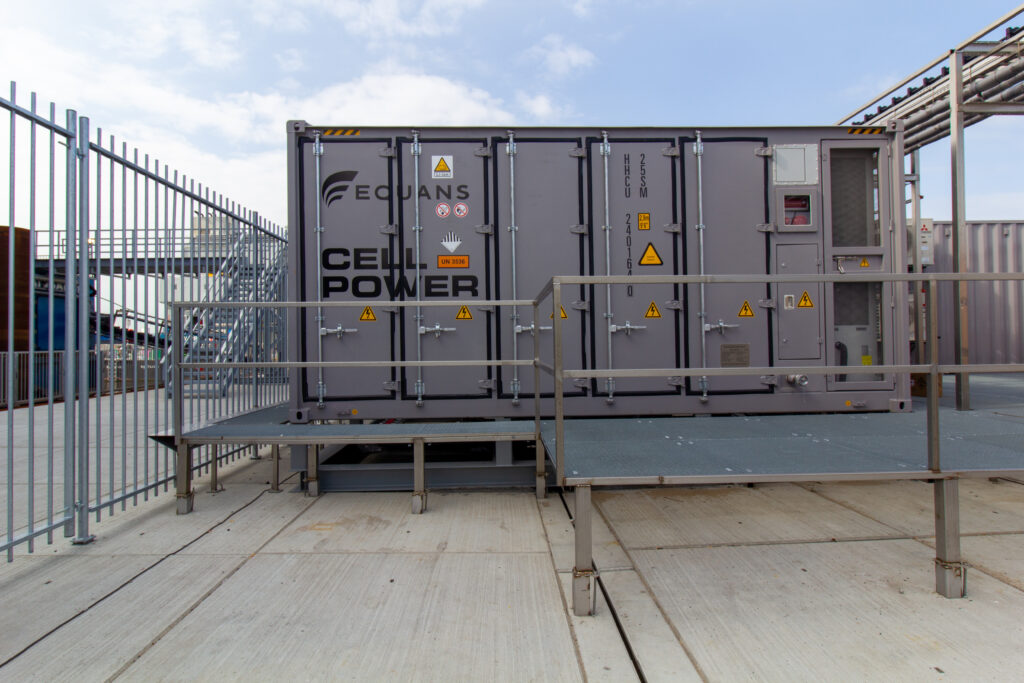
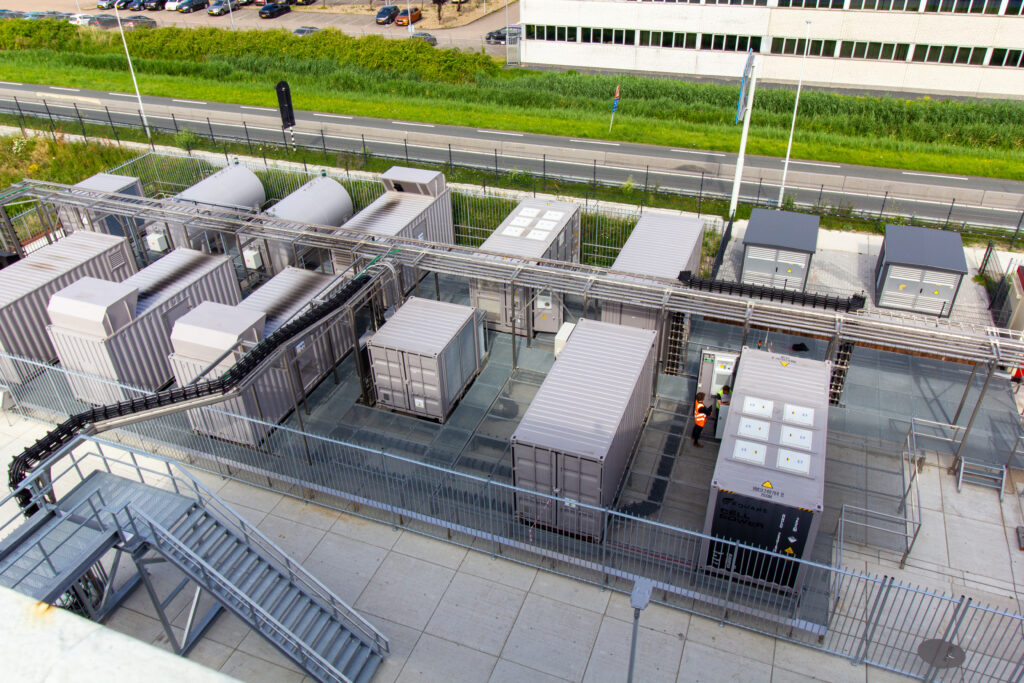
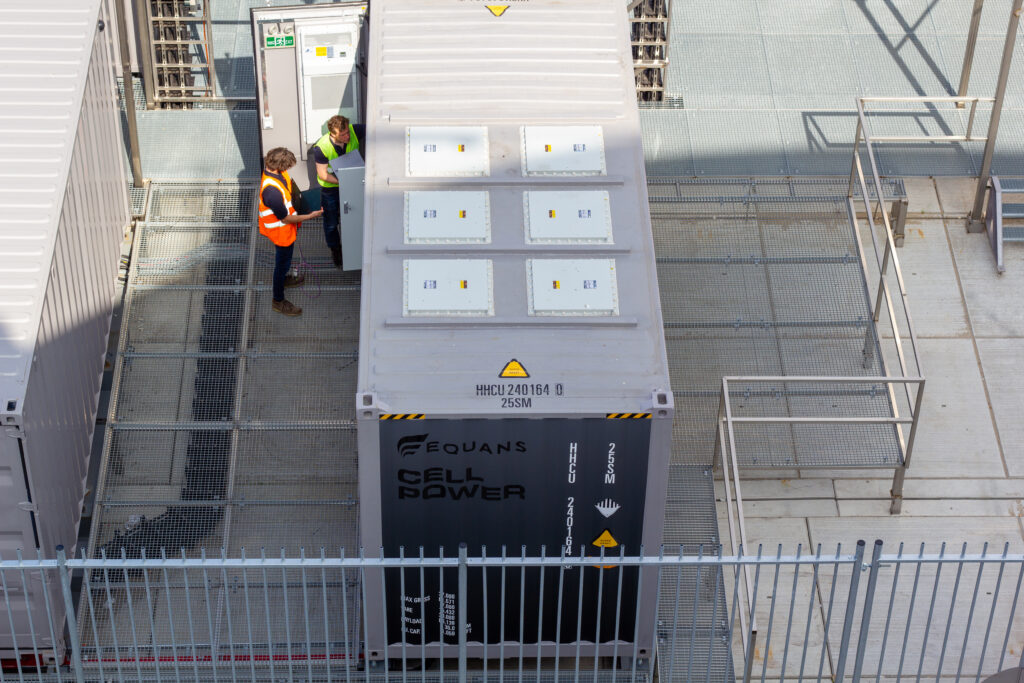
A battery container is a containerised battery energy storage system (BESS). Inside a robust enclosure, it integrates:
- battery modules
- power electronics
- control and monitoring systems
- multiple layers of safety mechanisms
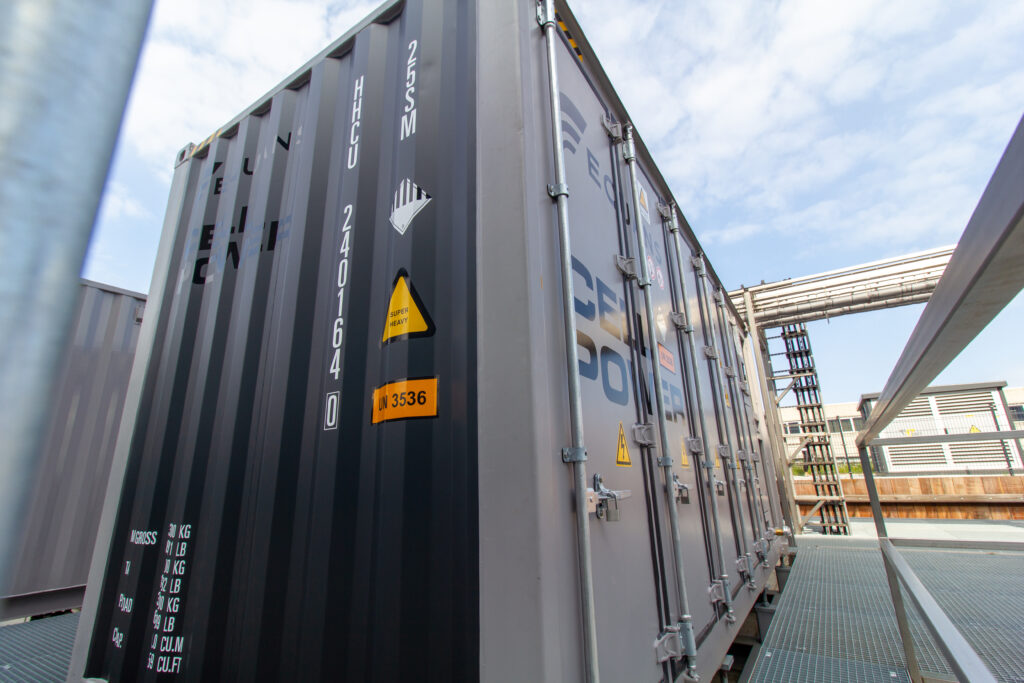
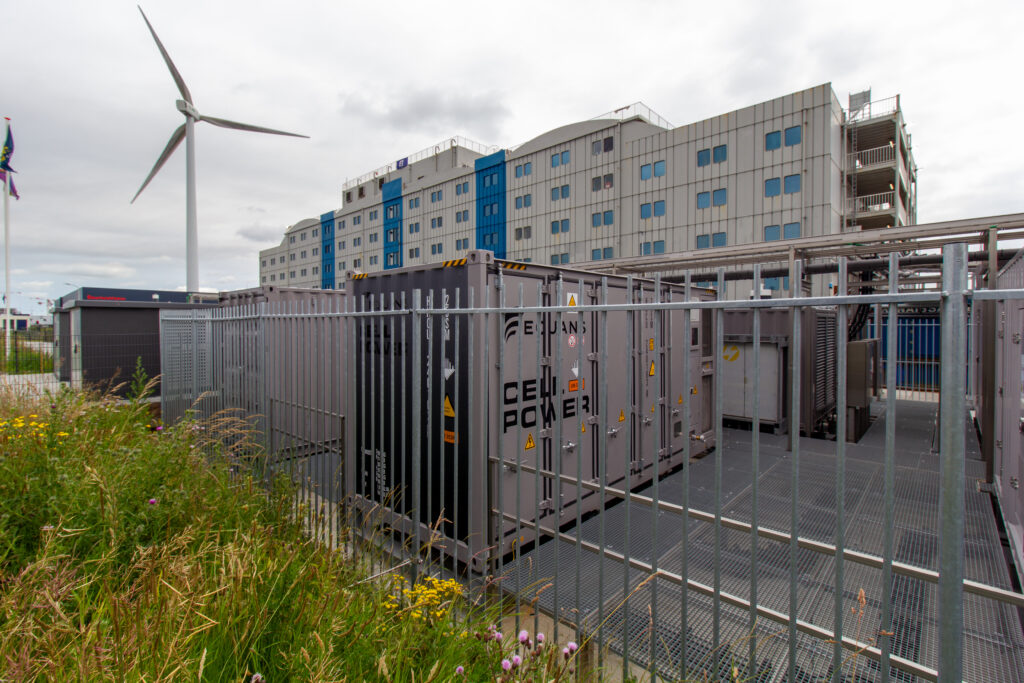
The container protects the system from external conditions and allows it to be deployed outdoors, close to where energy is generated or consumed.
Battery containers are typically used in situations where energy storage is a strategic component of the energy system, not just a backup.
Energy storage for utility-scale projects
A battery container is a robust and scalable solution for large-scale energy storage. It enables organisations to store and deploy energy at the scale required for modern energy infrastructure, from renewable energy parks to industrial sites and grid-related projects.
Battery containers are designed for long-term, intensive use. With capacities reaching multiple megawatt-hours (MWh) per container, they function as infrastructure assets rather than short-term or temporary solutions.
Why large-scale energy storage is becoming essential
Energy systems are changing rapidly. Grid congestion, increasing electricity demand and the growth of renewable generation make flexibility essential.
Large-scale energy storage allows organisations to:
- store surplus energy when production is high
- use energy during peak demand or grid limitations
- reduce dependency on real-time grid availability
- increase control over energy costs and availability
Battery containers provide this flexibility at scale, making them a key building block of future-proof energy systems. reliability and control.
Typical applications of battery containers
Battery containers are used across a wide range of large-scale applications.
Renewable energy parks
- storing solar and wind energy during peak generation
- reducing curtailment and feed-in limitations
- improving the business case of renewable assets
Industrial and commercial sites
- peak shaving and load balancing
- safeguarding critical processes
- dealing with limited grid connection capacity
Grid support and energy infrastructure
- relieving local grid congestion
- supporting decentralised energy hubs
- enabling more stable and resilient energy systems
- as part of a completely off-grid power supply
In many projects, battery containers serve multiple purposes at the same time, increasing their overall value.
Engineering-first: defining the right storage system
Large-scale energy storage is never one-size-fits-all. The right system depends on how energy is generated, consumed and constrained.
Projects typically start with a structured assessment:
- how much energy is produced and used
- when do peaks occur
- where do grid limitations exist
- which objectives have priority
This approach ensures that the storage system is designed around the actual application, not around a generic product.
Power vs energy: what really matters
When discussing large-scale energy storage, two concepts are essential: power and energy.
- Energy (kWh / MWh) determines how much energy can be stored and supplied
- Power (kW / MW) determines how fast energy can be charged or discharged
Both are important, but their relevance depends on the application.
For example:
- grid congestion or peak shaving projects often prioritise power
- renewable energy integration typically requires more energy capacity
A well-designed battery container strikes the right balance between power and energy, aligned with the project’s goals.
Understanding this distinction early helps prevent oversizing, undersizing or unnecessary costs later in the project.
Safety as a system, not a checkbox
Safety is a fundamental requirement in large-scale energy storage.
Battery containers are designed with multiple, complementary safety layers, including:
- continuous monitoring of system behaviour
- thermal control and early fault detection
- controlled isolation of affected components
- containment strategies to limit impact
Rather than relying on a single measure, safety is addressed at system level, ensuring predictable and controlled behaviour under all operating conditions.
This approach supports long-term operation in environments close to critical infrastructure or industrial activity.
Long service life and predictable performance
Battery containers are built for durability and consistency.
Typical characteristics include:
- expected cycle life of 9,000 charge-discharge cycles (90% DoD, 70% EOL), depending on operating profile
- an expected operational lifetime of up to 15 years
- gradual, predictable performance degradation
This predictability is essential for projects with long investment horizons and structured financial models.
Modular and scalable by design
Energy needs evolve over time. Battery containers are designed to scale with them.
- modular architecture enables phased deployment
- additional capacity can be added without system redesign
- suitable for both single projects and portfolio-scale roll-outs
This allows organisations to start with the capacity they need today and expand as demand, regulations or market opportunities change. For example organisations can start with one or two 5 MWh battery containers and later expand by adding more containers when needed.
Plug-and-play deployment for reliable project timelines
To reduce on-site complexity, battery containers are delivered pre-assembled and pre-tested.
- major integration steps are completed off-site
- on-site installation time is significantly reduced
- commissioning can often take place within one day per container, depending on site conditions
This approach helps keep projects predictable and manageable.
Battery containers as strategic energy infrastructure
Battery containers are not short-term fixes. They are long-term energy assets that improve resilience, flexibility and control.
By integrating large-scale energy storage, organisations can:
- reduce exposure to grid constraints
- increase operational reliability
- future-proof energy-intensive activities
- optimise the use of renewable energy
In an increasingly constrained energy system, battery containers enable a proactive approach to energy management.
Explore battery containers for your energy project
Are you developing a solar or wind park, operating an energy-intensive industrial site, or involved in grid-related energy infrastructure?
We are happy to explore how battery containers for large-scale energy storage can support your technical, financial and operational objectives.
Need some advice on this topic?
Our specialists are happy to help you determine the best suitable battery for your real-world situation.