



RecoCel: Battery Reconditioning
Every battery loses capacity over time, but that does not always mean it needs to be replaced. RecoCel is Intercel’s battery reconditioning service that restores the performance of suitable lead-acid batteries, helping businesses extend service life, lower operating costs and reduce waste. Questions about this service?
Many batteries are replaced before they reach the end of their technical life.
The battery industry in changing
More batteries are entering the market
Electrification is accelerating across mobility, industrial equipment and energy systems.
Circularity is becoming a priority
Customers, governments and society expect products and materials to remain in use for longer.
New regulations are increasing requirements
The EU Battery Regulation introduces lifecycle responsibilities, traceability and circular economy objectives for batteries.
Sustainability reporting is becoming standard
More organisations are measuring and reporting environmental impact across their value chain.
Professional battery reconditioning
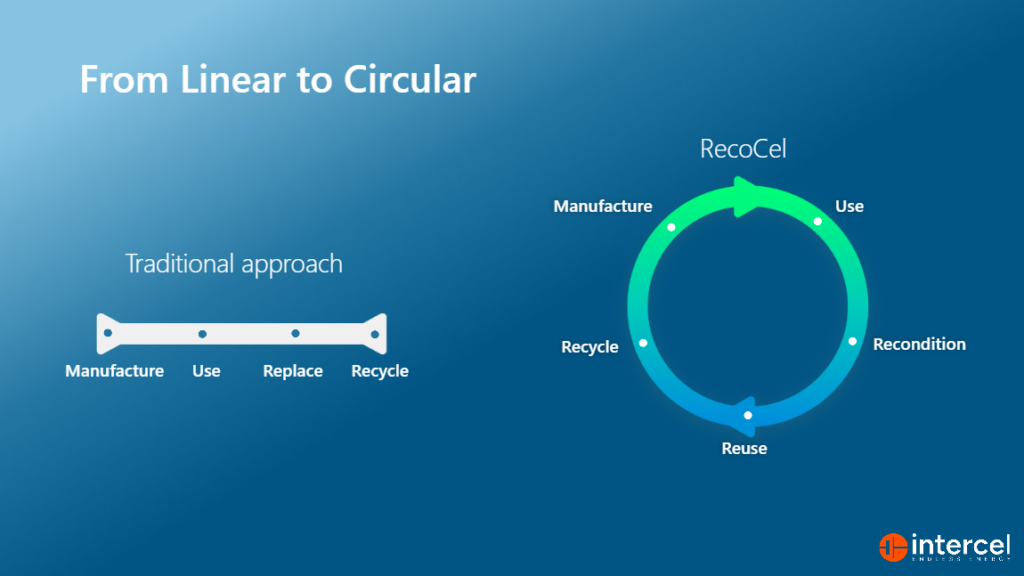
RecoCel was created to bridge the gap between first use and recycling.
RecoCel restores used batteries to a reliable operational condition, extending their useful life before recycling becomes necessary. By doing this, we help businesses extend battery life, reduce waste and support future sustainability and compliance requirements. Every battery is inspected, reconditioned and tested to ensure it is ready for reliable use again, making RecoCel a sustainable alternative to immediate replacement.
Recondition first.
Recycle when necessary.
What does RecoCel involve?
- Inspection and testing
- Capacity and performance assessment
- Replacement of defective components where possible
- Quality control and validation
- Safe reintroduction into service
The result
A battery that can continue to be used safely and effectively, reducing waste and maximizing the value of existing resources.
What batteries can be reconditioned?
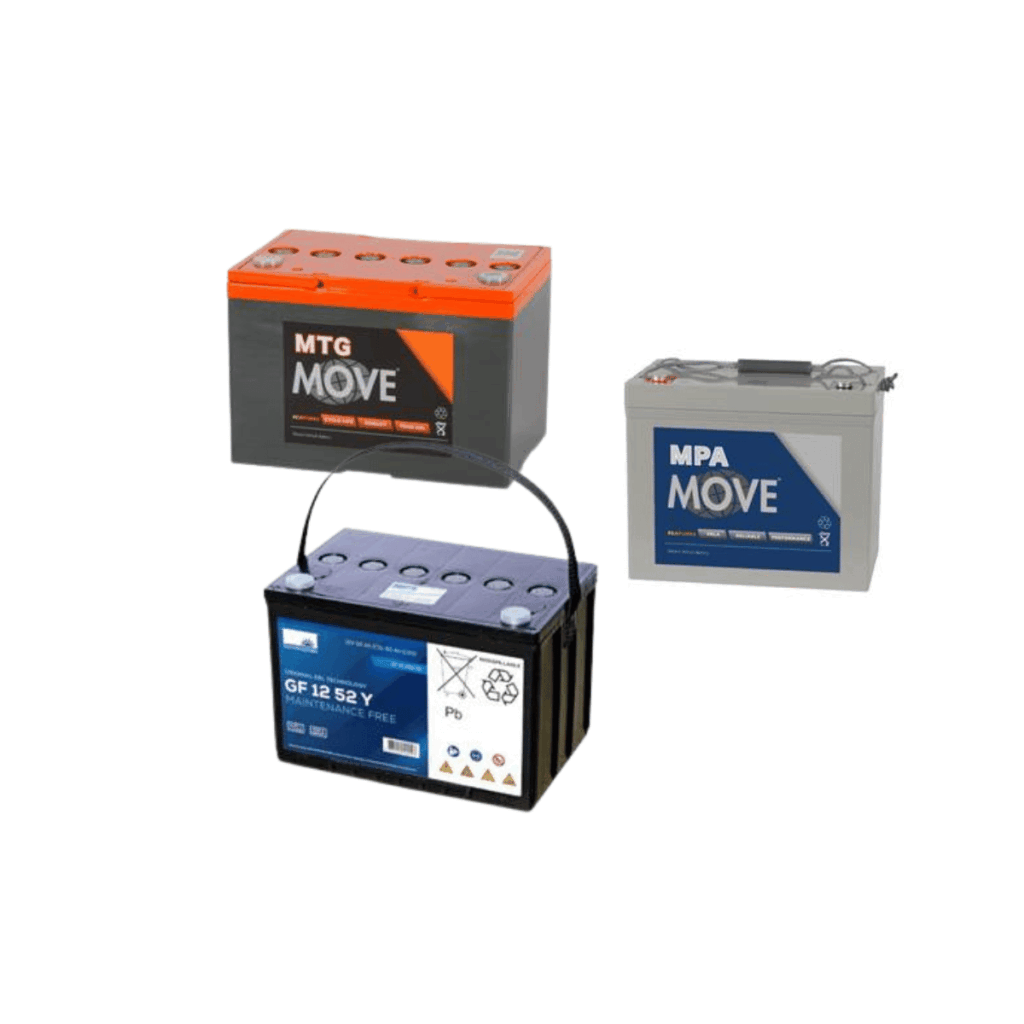
- Maintenance-free lead-acid batteries
- VRLA batteries (Valve Regulated Lead Acid)
- AGM batteries
- Gel batteries
- Lead-carbon batteries (AGM-based technology)
Assessment first
Not every battery can or should be reconditioned. Every battery is tested to determine whether reconditioning is technically and economically viable.
Interested in Battery Reconditioning?
✓ Extend battery life
✓ Lower environmental impact
✓ Support sustainability targets
✓ Improve ESG performance & compliance
✓ Maximise value of existing batteries
✓ Maintain reliable performance
We’re happy to help
Fill in the form or give us a call: +31(0)88 – 514 99 00
"*" indicates required fields
Supporting ESG objectives
RecoCel supports the three pillars of ESG:
Environmental
- Reduce raw material consumption
- Reduce waste generation
- Lower CO₂ emissions across value chain
- Delay recycling until truly necessary
Battery regulation & compliance
The European Battery Regulation promotes:
- Sustainability throughout the battery lifecycle
- Improved transparency and traceability
- Circular use of batteries and materials
- Responsible end-of-life management
RecoCel aligns with these objectives by extending battery life before recycling.
Compliance is no longer only about recycling. It is about managing the entire battery lifecycle responsibly.
Frequently asked questions about Battery Reconditioning
What is battery reconditioning?
Battery reconditioning is the process of restoring the performance of a used battery so it can remain in service for longer. With RecoCel, batteries are assessed, tested and reconditioned using a controlled process. The goal is to extend their useful life where this is technically and economically responsible, instead of replacing them prematurely.
Can all lead-acid batteries be reconditioned?
No. Whether a lead-acid battery can be reconditioned depends on its condition, age, usage history and the type of degradation or damage. Some batteries have reached the end of their technical life and should be replaced or recycled instead. This is why RecoCel starts with an assessment to determine whether reconditioning is a suitable option.
How do I know if my battery can be reconditioned?
The condition of the battery needs to be assessed before this can be determined. RecoCel uses inspection, measurements and testing to evaluate the battery and its remaining potential. Based on these results, we determine whether reconditioning is technically responsible and worthwhile.
How much battery life can reconditioning add?
There is no fixed extension that applies to every battery. The result depends on factors such as battery technology, age, condition, previous usage and operating environment. Reconditioning is therefore based on the actual condition of the battery rather than a standard expected lifetime extension.
Is a reconditioned battery as reliable as a new battery?
A reconditioned battery is not automatically equivalent to a new battery. Its performance depends on its condition and the results of the reconditioning process. With RecoCel, batteries are tested and evaluated before they are returned to service. This helps determine whether the battery can reliably continue to be used for its intended application.
When is battery reconditioning more cost-effective than replacement?
Battery reconditioning can be cost-effective when a battery still has sufficient technical potential and its useful life can be extended without compromising the requirements of the application. The business case depends on factors such as battery condition, replacement costs, application and the expected additional service life. RecoCel therefore assesses whether reconditioning makes sense before proceeding.
What is the difference between battery reconditioning and battery recycling?
Battery reconditioning aims to extend the useful life of an existing battery so it can remain in service. Recycling takes place at the end of the battery’s useful life and focuses on recovering materials for reuse. With RecoCel, the principle is simple: recondition when continued use is technically responsible, recycle when it is not.
Can AGM and Gel batteries be reconditioned?
Yes, AGM and Gel batteries can potentially be reconditioned, depending on their condition. RecoCel is designed for maintenance-free lead-acid battery technologies, including VRLA AGM, Gel and lead-carbon batteries. Each battery is assessed first to determine whether reconditioning is a suitable option.
Can lithium batteries be reconditioned with RecoCel?
RecoCel currently focuses on the reconditioning of maintenance-free lead-acid batteries, including AGM, Gel and lead-carbon technologies. Lithium batteries require different diagnostics, safety procedures and recovery methods and are therefore not part of the RecoCel reconditioning process. At least not yet.
What happens if a battery cannot be reconditioned?
If assessment shows that reconditioning is no longer technically responsible or worthwhile, the battery should not be returned to service. In that case, the appropriate next step is replacement and responsible end-of-life processing or recycling. This ensures that reconditioning is only used when it offers a safe and meaningful extension of battery life.
Interested in Battery Reconditioning?
✓ Extend battery life
✓ Lower environmental impact
✓ Improve ESG performance & compliance
✓ Maximise value of existing batteries
We’re happy to help
Fill in the form or give us a call: +31(0)88 – 514 99 00
"*" indicates required fields