

| Application | Peak shaving |
| EMS | Univers |
| Installer | Equans |
| End customer | Albert Heijn |
| Location | Zaandam, The Netherlands |
| Net Energy | 1.9 MWh |
| Systems | 8 x CESS 233-100 |
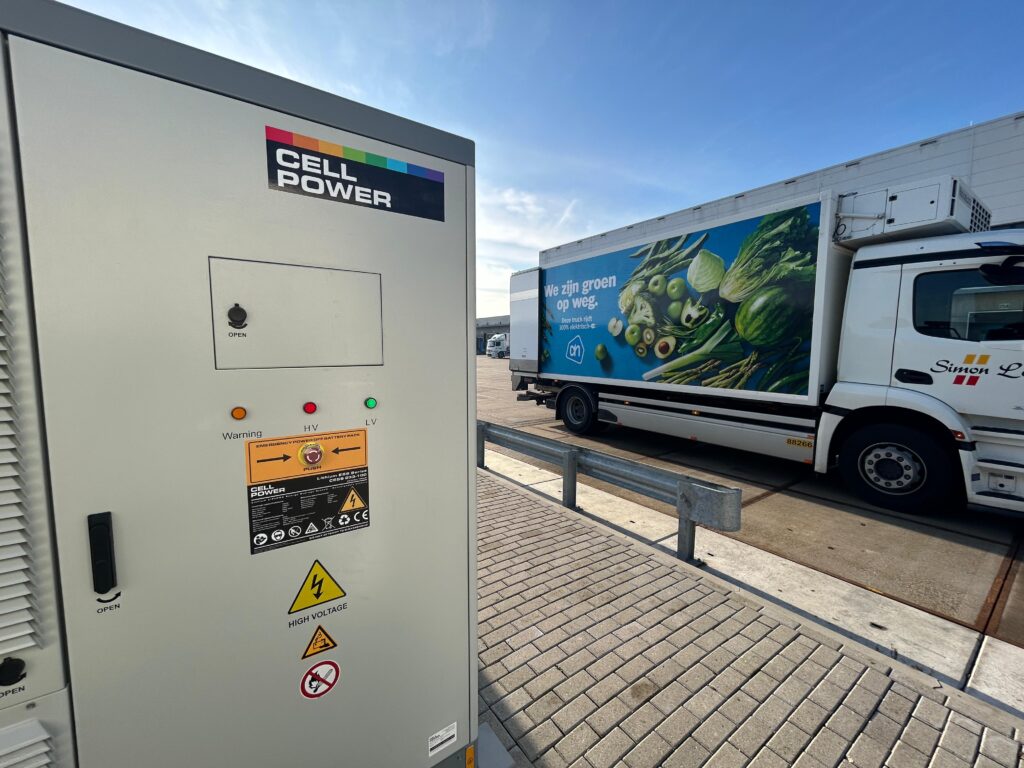
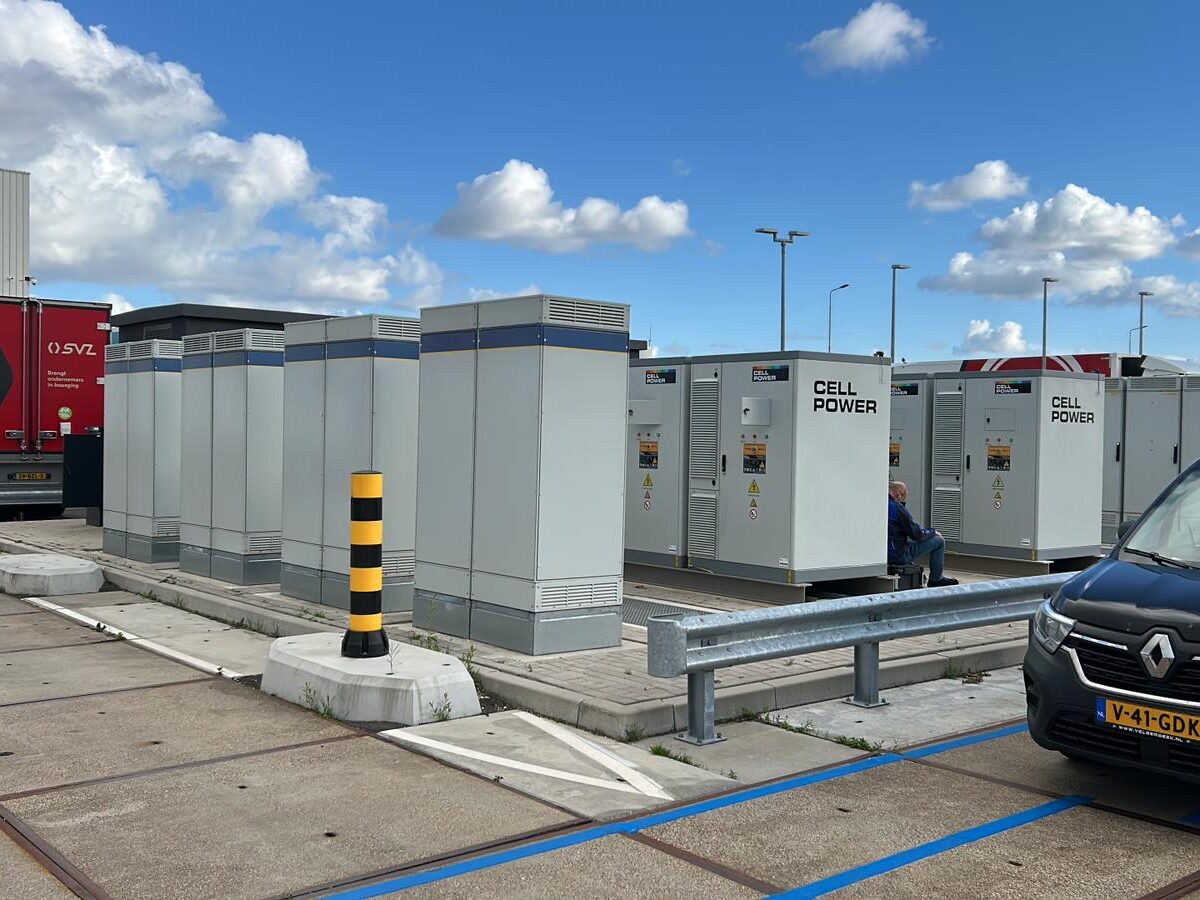
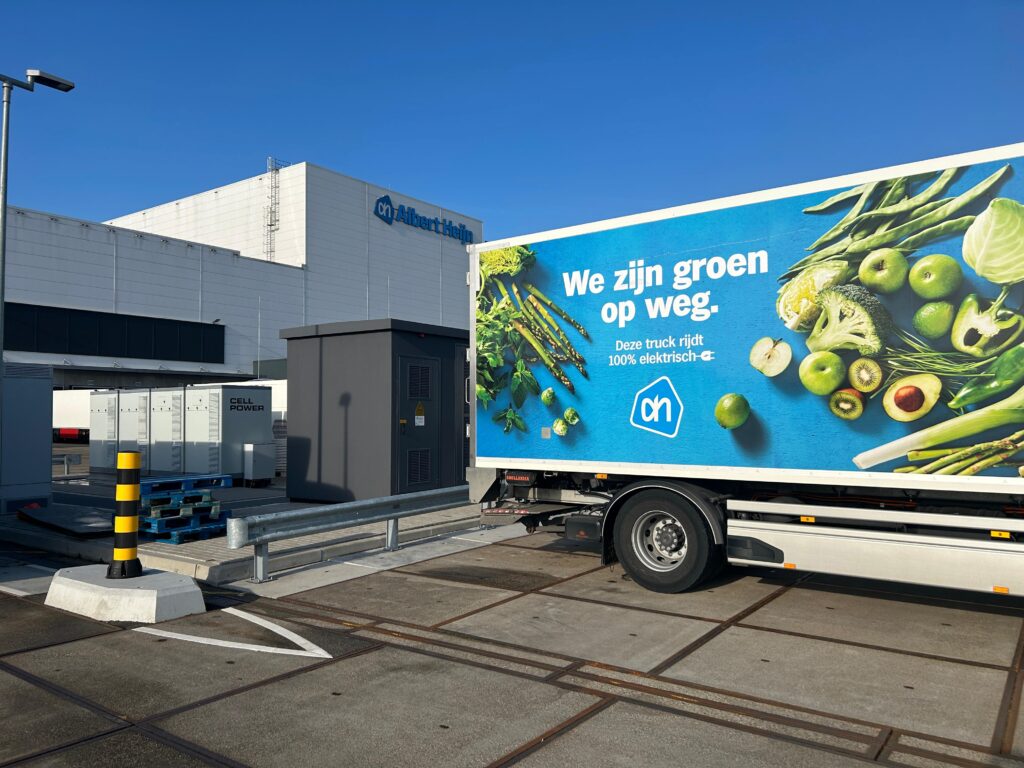
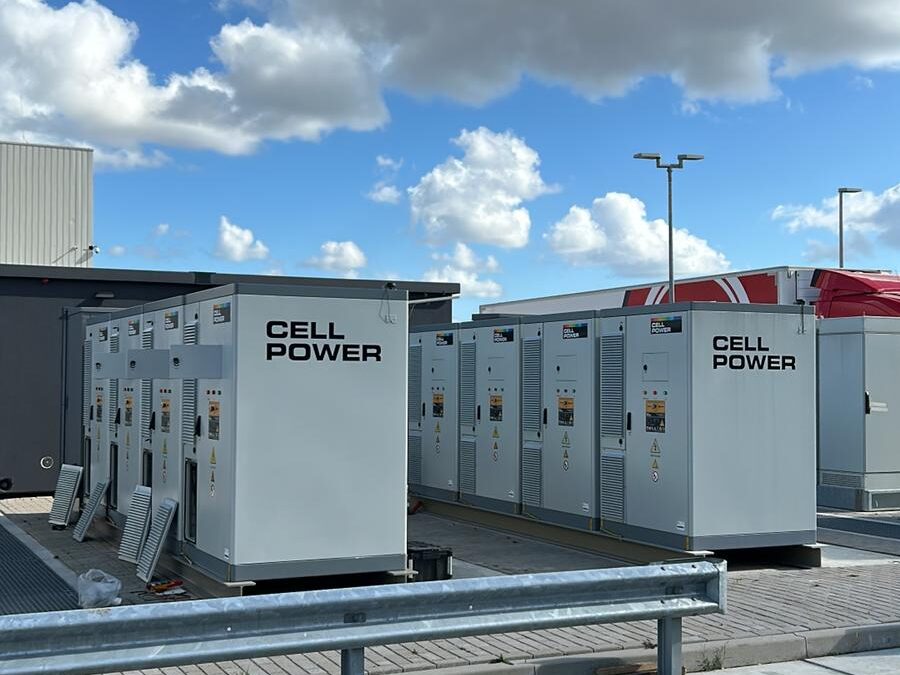
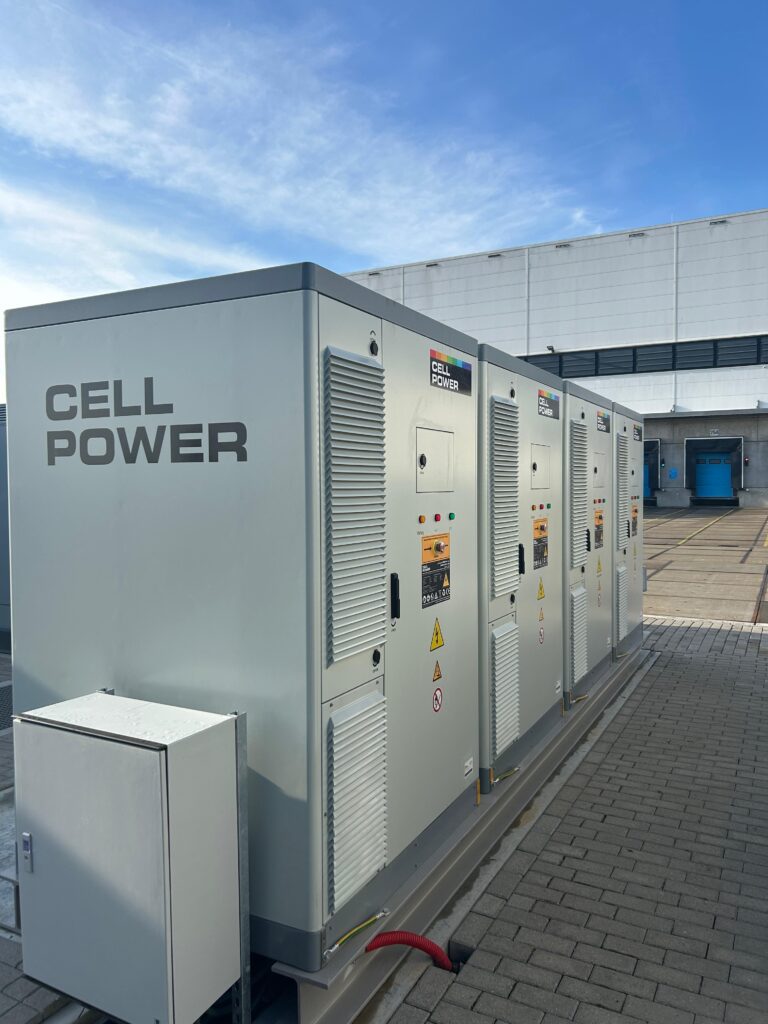
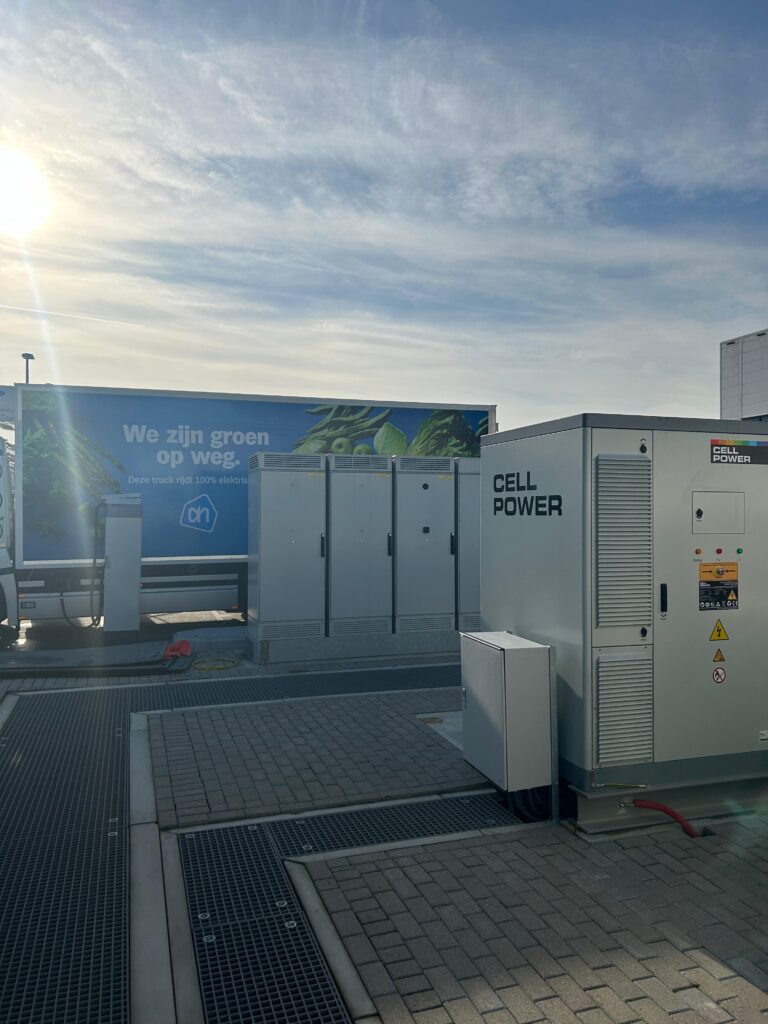
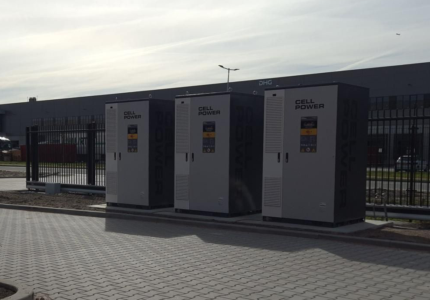
Albert Heijn’s distribution centre in Zaandam is taking an important step towards making its logistics more sustainable. The replacement of fossil fuel-powered lorries with 70 electric vehicles led to a sharp increase in energy consumption at the distribution centre in Zaandam, where the vehicles are charged. No additional grid power was available, and the solar panels did not produce enough energy to charge the lorries during peak times. Thanks to the battery storage of eight CESS 233-100 systems, in combination with seventeen DC charging stations, the distribution centre can continue to operate smoothly and continue to supply supermarkets in and around Amsterdam quickly.
All seventy electric lorries are charged at the distribution centre. The 18,000 solar panels on the roof do not generate enough energy to supply the distribution centre and the new charging stations with sufficient power. The extra power required is drawn from the grid, but this is not always possible because the distribution centre reaches the limits of its contracted capacity. This jeopardises Albert Heijn’s supply process. When it became apparent that the batteries purchased were unreliable and had very low uptime, a new solution was sought.
Quick action
Quick action was needed. ‘In collaboration with Intercel and Equans, we quickly realised a high-quality battery solution for our electric trucks,’ says Mark Vedder, Facility Project Team Manager at Albert Heijn. Battery specialist Intercel supplied the distribution centre with four rental batteries, which were installed by Equans. ‘The batteries were delivered and made operational within a week. This underlines Intercel’s technical knowledge and flexibility,’ adds Vedder.
Double battery capacity
Albert Heijn rapidly expanded the battery system. After purchasing the four previously installed rental batteries, four more units were added. The eight CESS 233-100 systems offer a storage capacity of more than 1.8 MWh and a power output of 800 kW. The seventeen DC charging stations use power from the battery when the contracted power is almost reached. Currently, the battery storage is used for peak shaving, but in the future, Albert Heijn also wants to trade electricity on the imbalance market.
Expansion
As part of its zero-emission strategy, the distribution centre in Zaandam expects to expand with a hundred electric trucks before 2030. In order to charge the 170 vehicles, the total capacity must be increased to approximately 5 to 6 MWh.
Looking to the future
Vedder is confident that the battery solution will also be implemented at other distribution centres: ‘Between now and 2030, we also want to provide other locations that are affected by grid congestion with a battery solution,’ he explains. ‘Our goal remains to supply our shops as sustainably and efficiently as possible. If the limitations of the electricity grid stand in the way, we will look for a suitable solution.’