


Are you storing lithium batteries or battery-powered products?
Then you may need to comply with PGS 37-2.
On this page, we explain when PGS 37-2 applies, what the guideline is about, and how to handle it in practice. In clear language, with a focus on real situations.
What is PGS 37-2?
PGS 37-2 is a guideline for the safe storage of lithium-based energy carriers, such as lithium-ion batteries.
It applies to batteries that are stored as products or stock, and not to batteries that are part of an operating energy storage system (ESS).
The guideline focuses on reducing risks such as:
- fire
- thermal runaway
- release of toxic gases
- damage to people, buildings and the environment
PGS 37-2 is part of the Publicatiereeks Gevaarlijke Stoffen (PGS) and is used as the safety standard by authorities, fire services and insurers.
When does PGS 37-2 apply?
PGS 37-2 applies when you store lithium-based batteries that are not installed in an energy storage system.
This includes situations such as:
- storage of spare or replacement batteries
- warehouses with lithium batteries in stock
- batteries in products awaiting sale or distribution
- collection or storage of used or damaged batteries
Important:
PGS 37-2 applies to business and organisational use.
It does not apply to normal private home use.
Does PGS 37-2 apply to me? (quick check)
Answer the questions below. If you answer “yes” more than once, PGS 37-2 is likely relevant.
☐ I store lithium-based batteries or battery-powered products
☐ The batteries are not installed in an operating energy storage system
☐ The storage is part of a business or organisation
☐ Batteries are stored in larger quantities or for longer periods
☐ The storage includes used, returned or damaged batteries
Mostly “yes”? Then PGS 37-2 likely applies.
PGS 37-2 or PGS 37-1: what is the difference?
Many organisations confuse these two guidelines.
- PGS 37-1 → applies to energy storage systems (ESS) that store and release electricity
- PGS 37-2 → applies to stored lithium batteries that are not part of an ESS
If batteries are connected and actively storing energy → PGS 37-1
If batteries are stored as items or stock → PGS 37-2
Why is PGS 37-2 important?
Lithium batteries can become unstable when:
- they are damaged
- they overheat
- they are incorrectly stored
- they are old or defective
PGS 37-2 helps reduce these risks by setting clear safety principles for:
- storage conditions
- layout of storage areas
- fire prevention and control
- handling of damaged or end-of-life batteries
Following PGS 37-2 helps:
- protect people and property
- prevent incidents and downtime
- meet expectations of authorities and insurers
What does PGS 37-2 require in practice?
PGS 37-2 follows a risk-based approach. This means the measures depend on:
- the type of batteries
- the quantity stored
- the condition of the batteries
- the storage environment
In practice, the guideline focuses on the following areas:
Fire safety and prevention
- limiting fire spread
- reducing ignition risks
- detection and alarm systems
- suitable fire-fighting measures
Storage layout and construction
- separation of battery types
- safe distances and compartmentation
- fire-resistant construction where needed
- suitable flooring and materials
Ventilation and environmental control
- preventing heat build-up
- controlling gases released during incidents
Handling damaged or end-of-life batteries
- separate storage for damaged batteries
- clear procedures for safe handling and removal
- extra precautions due to increased risk
Organisation and procedures
- clear work instructions
- emergency procedures
- access control and signage
How to approach PGS 37-2 step by step
Step 1 – Map your storage situation
- what types of batteries do you store?
- how many and in what condition?
- where and how are they stored?
Step 2 – Identify risks and applicable measures
- normal stock vs damaged batteries
- short-term vs long-term storage
- indoor vs outdoor storage
Step 3 – Align with authorities if needed
PGS 37-2 is often used by:
- municipalities
- fire services
- insurers
Early alignment prevents changes later.
Step 4 – Implement and document safety measures
- storage layout
- procedures and training
- inspections and checks
Need any help with this?
Common misconceptions about PGS 37-2
“PGS 37-2 is only for battery factories”
No. It applies to any organisation that stores lithium batteries.
“Small quantities never matter”
Risk depends not only on quantity, but also on battery condition and storage time.
“This is only relevant for lithium-ion”
PGS 37-2 focuses on lithium-based energy carriers, regardless of the application.
Legal notice
We have prepared this page to make PGS 37-2 understandable in practice. Because every situation is different, exact requirements may vary. The official PGS 37-2 and agreements with the competent authority are always leading.
Sources & further reading
This page is based on official guidelines and government explanations:
- Publicatiereeks Gevaarlijke Stoffen – PGS 37-2:2023, version 1.0
- IPLO – Explanation of PGS 37-1 and PGS 37-2
- RVO – Guidance on permitting and battery safety
Table of Contents
Articles & Deepdives
-
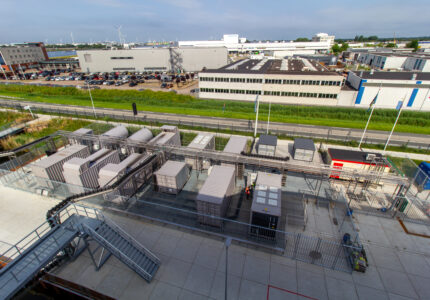
Battery containers for large scale energy storage
Battery containers provide scalable, infrastructure-grade energy storage for utility-scale projects. Designed for long-term performance, safety and predictable operation in renewable, industrial and grid-related applications.
-

REVO 3.0: new lithium battery modules for UPS systems
The technology in the world of emergency power supplies is developing rapidly, with the latest innovation in our range: the REVO 3.0 TPX600. An innovative modular battery…
-
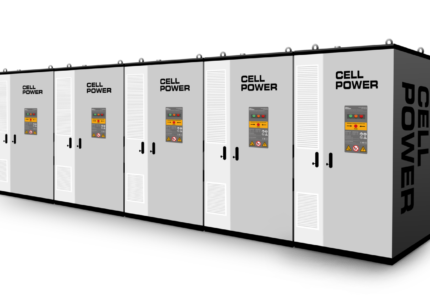
New energy storage systems with most powerful battery cells on the market
We are proud to introduce an entirely new series of Cellpower energy storage systems. These systems are designed for applications where space saving and energy efficiency are…
-

Battery storage for businesses
The power grid is becoming increasingly crowded, so how can you make sure you have a stable power supply?