


A 100Ah lithium battery is one of the most popular battery capacities for applications that require a balance between runtime, weight and compact size. Whether used in mobility equipment, cleaning machines, marine applications, AGVs or backup power systems, a 100Ah battery provides reliable power while remaining easy to integrate into space-constrained designs.
Most modern 100Ah lithium batteries use LiFePO4 (Lithium Iron Phosphate) technology. Compared to traditional lead-acid batteries, they offer a longer service life, higher usable capacity, faster charging and significantly lower weight. This makes them an excellent choice for applications where performance, reliability and low maintenance are important.
On this page, you’ll learn what a 100Ah lithium battery is, what it can power, when it is the right choice and how it compares to larger battery capacities such as 200Ah.
100Ah batteries from Intercel
At Intercel you will find various 100Ah lithium batteries, such as the pbq LF 100 – 12 battery weighing 14.5kg or the Cellpower CLPL 100 – 3.2 battery. But you can also contact us for lithium batteries of, for example, 40Ah or 200Ah. Could you also use a battery charger? Check out our battery chargers!
What is a 100Ah lithium battery?
A 100Ah lithium battery is a rechargeable battery with a capacity of 100 ampere-hours (Ah). The ampere-hour rating indicates how much electrical charge the battery can store and deliver over time. In theory, a 100Ah battery can supply 100 amps for one hour, 50 amps for two hours or 10 amps for ten hours. The actual runtime depends on factors such as the power consumption of the equipment, operating conditions and the battery’s usable capacity.
It is important to distinguish between battery capacity and battery voltage. The 100Ah rating only indicates how much energy the battery can store, while the voltage determines the electrical system the battery is designed for. As a result, 100Ah lithium batteries are available in different voltage configurations, including 12V, 24V and 48V, depending on the application.
Today, most 100Ah lithium batteries are based on LiFePO4 (Lithium Iron Phosphate) technology. Compared to lead-acid batteries, LifePO4 100ah batteries offer a higher usable capacity, faster charging, a much longer cycle life and lower weight. These advantages make 100Ah LiFePO4 batteries a popular choice for professional and industrial applications where reliability and long service life are essential.
Explore all battery technologies
Discover the different battery technologies and where each truly powers ahead.
What can a 100Ah lithium battery power?
A 100Ah lithium battery provides enough capacity to power a wide range of professional and industrial equipment. The exact runtime depends on the battery voltage, the power consumption of the application and the operating conditions. For many applications, a 100Ah battery offers an excellent balance between runtime, size and weight.
Common applications for 100Ah lithium batteries include:
Motive applications
LiFePO4 100Ah batteries are widely used in mobility scooters, cleaning machines, AGVs, golf carts and marine applications. Their low weight, fast charging capability and long cycle life help maximise uptime while reducing maintenance. On boats, they are commonly used to power onboard electronics, lighting, navigation equipment, trolling motors and auxiliary systems.
Backup power
A LiFePO4 100Ah lithium battery is also suitable for standby and backup power applications, including telecommunications, UPS systems and other critical installations where reliable energy storage is required. The combination of long service life and minimal self-discharge makes lithium an attractive alternative to lead-acid batteries.
When should you choose a 100Ah lithium battery?
A 100Ah lithium battery is an excellent choice when you need a combination of sufficient runtime, compact dimensions and low weight. It is often selected for applications where space is limited, frequent charging is possible or where replacing a heavier lead-acid battery can significantly improve performance.
A LiFePO4 100Ah battery is particularly suitable when:
- A full working day or operating cycle can be achieved with approximately 100Ah of capacity.
- Weight reduction is important, for example in mobile equipment or marine applications.
- Installation space is limited.
- Fast charging helps minimise downtime.
- A maintenance-free battery with a long service life is preferred over traditional lead-acid technology.
If your application requires significantly longer runtime or higher energy consumption, a 200Ah lithium battery or a larger battery system may be a more suitable choice. Likewise, if multiple voltage levels are required, 100Ah lithium batteries are available in 12V, 24V and 48V configurations to suit different electrical systems.
100Ah lithium battery vs 200Ah lithium battery
The choice between a LiFePO4 100Ah and 200Ah lithium battery depends on the energy requirements of your application. While both offer the same benefits of LiFePO4 technology, including long cycle life, fast charging and low maintenance, they are designed for different operating requirements.
A LiFePO4 100Ah lithium battery is often the preferred choice when compact dimensions, lower weight and easy installation are important. It provides sufficient capacity for many mobile and industrial applications while keeping the battery system as lightweight as possible.
A 200Ah lithium battery is better suited to applications that require longer operating times, higher energy consumption or fewer charging intervals. Although larger and heavier, it can reduce the need for battery changes or intermediate charging during operation.
If you are unsure which capacity best suits your application, it is important to consider the required runtime, power consumption, available installation space and charging opportunities. Selecting the right battery capacity helps optimise both performance and total cost of ownership.
Why replace a 100Ah lead-acid battery with a 100Ah LiFePO4 battery?
Many applications that currently use a 100Ah lead-acid battery can benefit from switching to a 100Ah LiFePO4 battery. Although both batteries may have the same nominal capacity, their real-world performance differs significantly.
A LiFePO4 battery provides a much higher usable capacity because it can be discharged much deeper without affecting its lifespan. It also charges considerably faster, weighs substantially less and requires virtually no maintenance. Combined with its long cycle life, this can reduce downtime and lower the total cost of ownership over the lifetime of the battery.
However, replacing a lead-acid battery is not always as simple as choosing the same Ah rating. Factors such as battery voltage, charging profile, installation space, power demand and communication interfaces should all be considered to ensure the new battery matches the application. Selecting the right replacement battery helps maximise performance, safety and reliability.
FAQ
What does 100Ah mean?
100Ah stands for 100 ampere-hours and indicates the battery’s capacity. In simple terms, it describes how much electrical charge the battery can store and deliver over time. For example, a 100Ah battery can theoretically supply 100 amps for one hour, 50 amps for two hours or 10 amps for ten hours. The actual runtime depends on factors such as the battery voltage, the power consumption of the application and the operating conditions.
How long does a 100Ah lithium battery last?
The runtime of a 100Ah lithium battery depends on the power consumption of the equipment it is powering. Applications with a low energy demand can operate for many hours, while high-power equipment will discharge the battery more quickly. The lifespan of the battery itself is determined by the number of charge cycles. A high-quality LiFePO4 battery can typically deliver several thousand charge cycles, making it suitable for intensive daily use.
What can a 100Ah lithium battery power?
A 100Ah lithium battery is commonly used to power mobility equipment, cleaning machines, AGVs, marine systems, backup power installations and compact electric machines. The exact applications depend on the battery voltage and the energy requirements of the equipment. Selecting the correct battery capacity ensures sufficient runtime while avoiding unnecessary weight and cost.
Looking for a battery with LiFePO4 12V 100Ah?
A 100Ah lithium battery solution can be realised in different voltage configurations, including 12V, 24V and 48V, depending on the requirements of the application.
Looking for a battery with certain specifications? Get advise from our expects.
Most used Lithium batteries
-
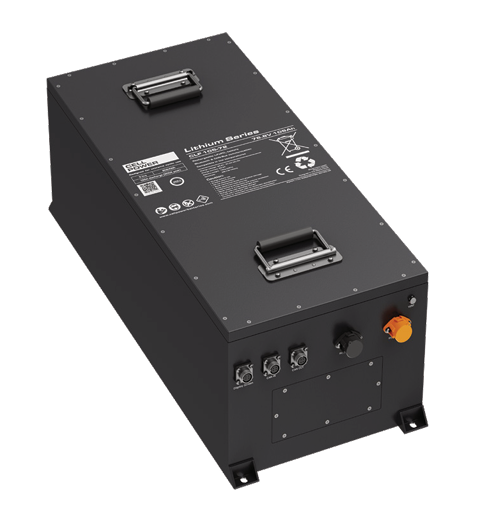
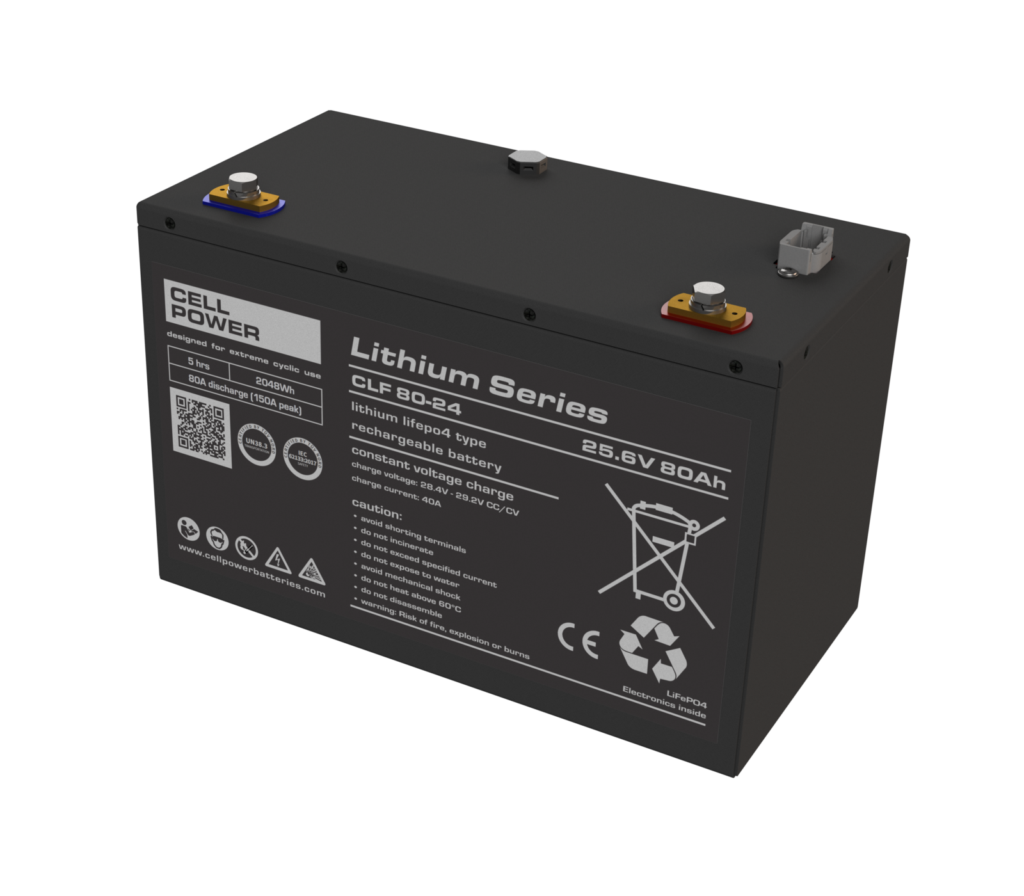
Cellpower CLF 105 – 72
More info: Cellpower CLF 105 – 72- 740 x 320 x 262 mm
- Cyclic
- 105 Ah
- Lithium
- 72 V
-
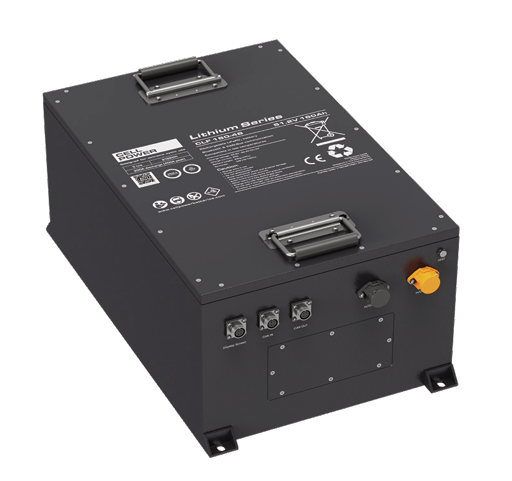
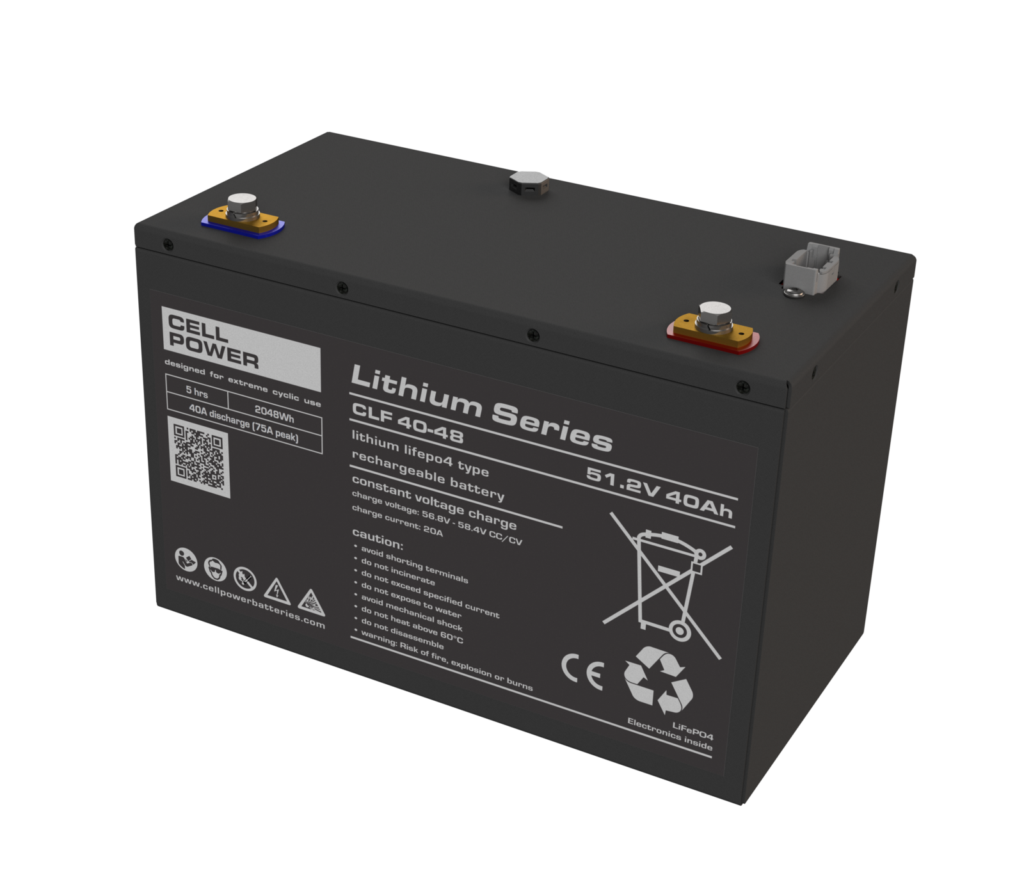
Cellpower CLF 160 – 48
More info: Cellpower CLF 160 – 48- 579 x 360 x 266 mm
- Cyclic
- 160 Ah
- Lithium
- 48 V
-
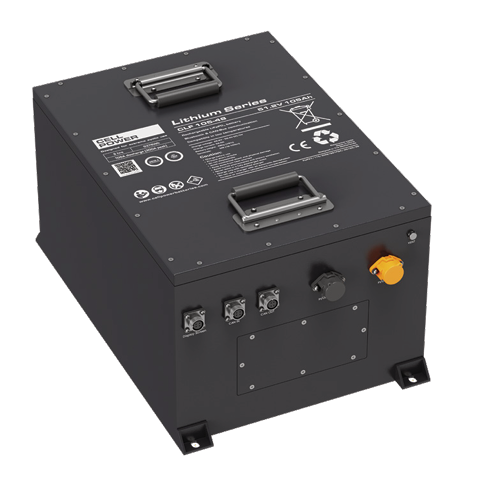
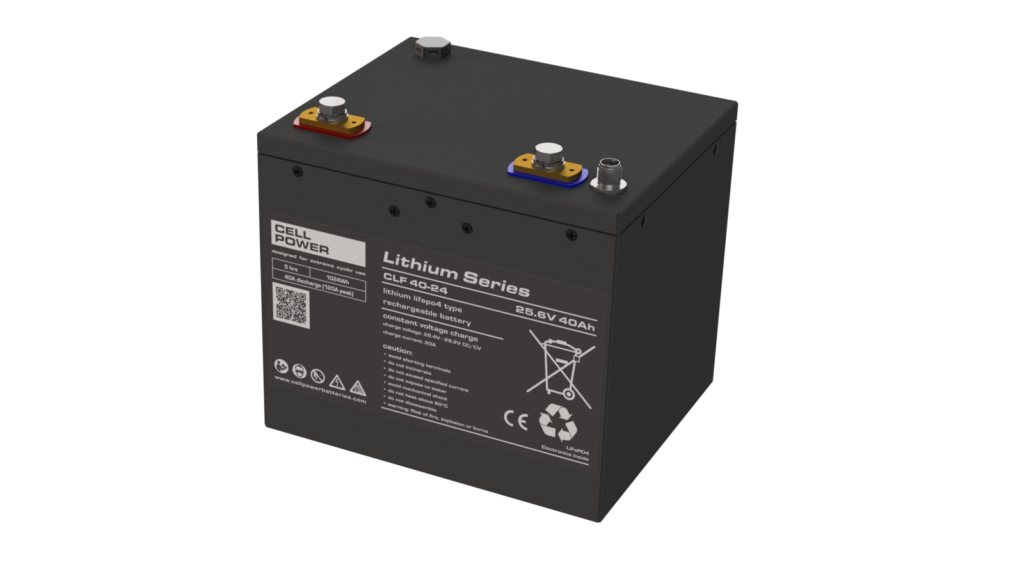
Cellpower CLF 105 – 48
More info: Cellpower CLF 105 – 48- 500 x 343 x 272 mm
- Cyclic
- 105 Ah
- Lithium
- 48 V
-
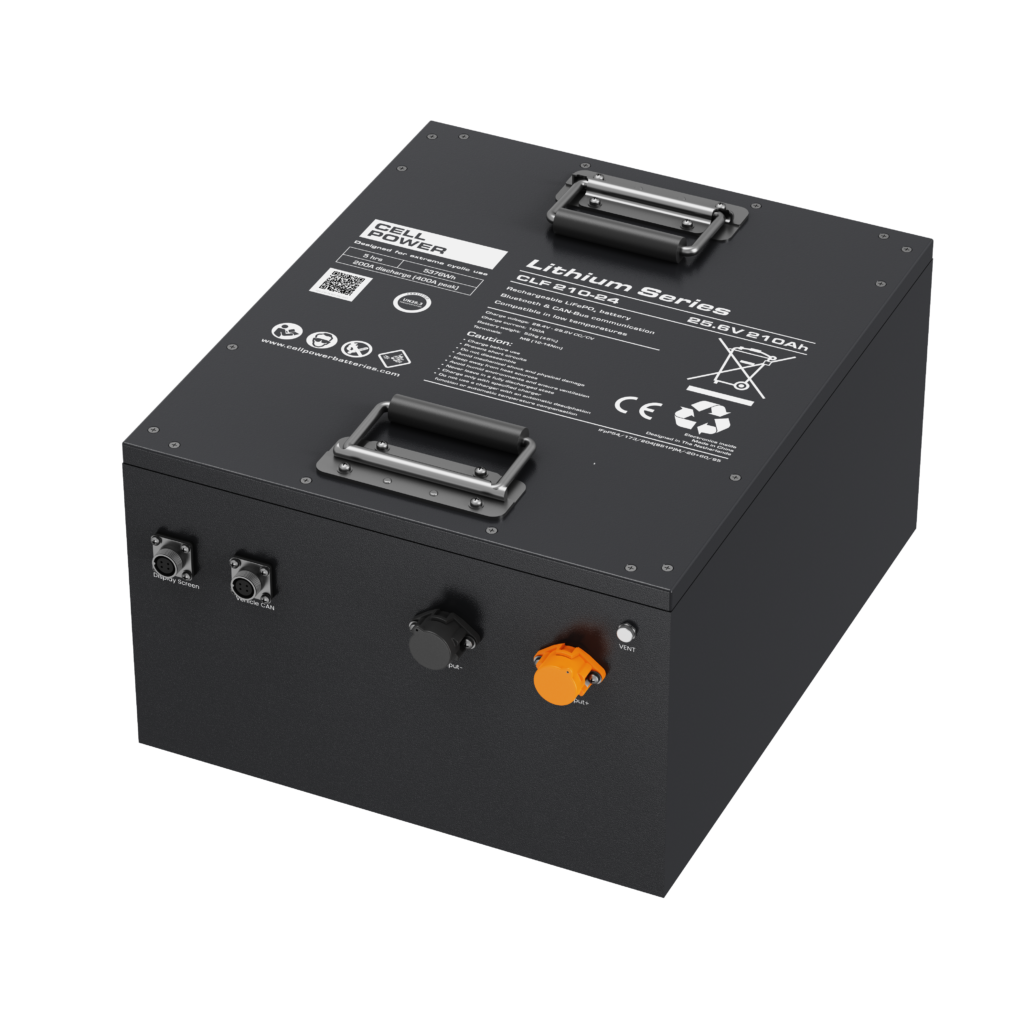
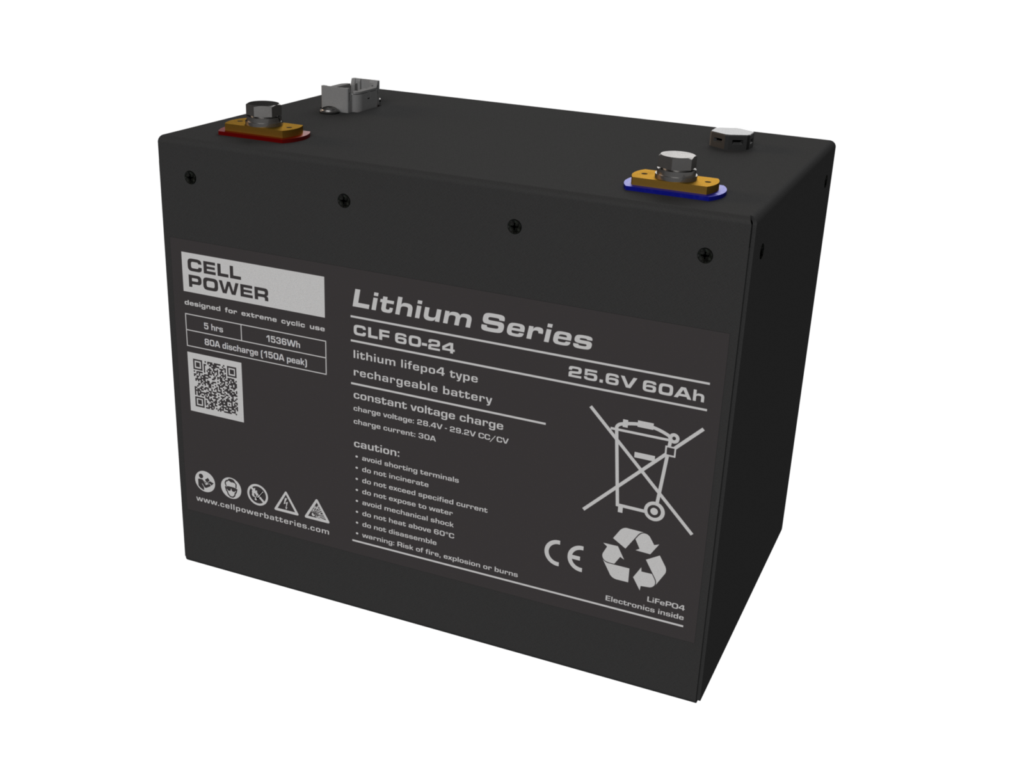
Cellpower CLF 210 – 24
More info: Cellpower CLF 210 – 24- 443 x 355 x 241 mm
- Cyclic
- 210 Ah
- Lithium
- 24 V
Customer stories
-
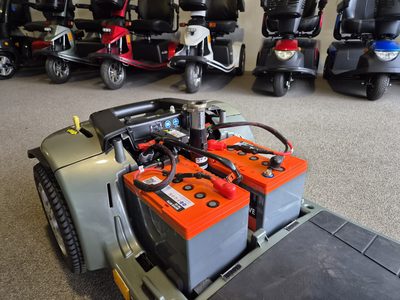
Achterhoek-Comfort – Mobility scooters with GEL batteries
We have been delighted to work with Intercel (formerly Wetac) for many years. Both before and after the merger, we have been very satisfied with the products…
-
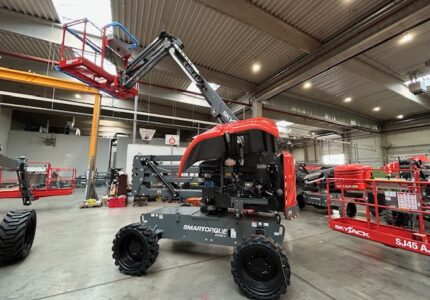
Skyjack – Batteries for Aerial Working Platforms
Intercel offered us excellent options both from technical and commercial point of view. We could choose the best solutions for our applications from their wide range of…
-
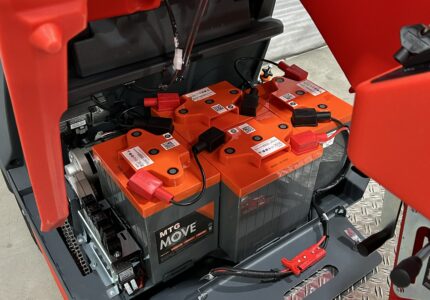
Stolzenberg GmbH – Batteries for Ride-on Sweeper
Our collaboration with Intercel has been very positive throughout. Their solution-oriented approach and professional communication are excellent. Even when
Need help selecting the right battery?
Not sure which battery is compatible with your application? Our battery specialists can help you select the best suitable battery based on battery chemistry, voltage, capacity and application requirements.
Explore all battery technologies
Discover the different battery technologies and where each truly powers ahead.