


European Battery
At Intercel, we notice that more and more customers are asking specifically for European batteries. Questions about origin, compliance and supply chain security are becoming standard in conversations that used to be purely about specifications and price. This page explains what European batteries actually mean, how the market works, and what to consider when making that choice.
European batteries: suppliers, regulations and everything you need to know
Europe’s battery market is moving fast. New regulations are reshaping how batteries are produced, labelled and sold. Supply chains that once relied entirely on Asia are being rebuilt closer to home. And businesses across the continent are asking sharper questions about who makes their batteries, where, and under what conditions.
“European battery” means different things to different buyers. For one company it is a compliance question. For another it is a sourcing decision. For a third it is about finding a partner who can engineer a solution that simply does not exist off the shelf.
We cover the full picture: what defines a European battery, how the market is structured, what the regulations require, and what to look for in a supplier.
What is a European battery?
Think of it like “German engineering” or “Swiss made.” The label says something before the spec sheet does.
European batteries are held to some of the strictest standards in the world. Safety requirements, environmental controls, supply chain transparency, labour conditions: all of it is regulated, audited and enforced. That is not the case everywhere. And for businesses that depend on batteries in critical applications, that difference is not a detail.
Beyond the standards, there is accountability. A European supplier operates under European law, is reachable when something goes wrong, and cannot simply disappear when a warranty claim comes in. For buyers who have dealt with the alternative, that matters more than the price difference.
The EU Battery Regulation is making this even more concrete. From carbon footprint declarations to the battery passport, Europe is building a framework that makes quality and responsibility measurable. Not just something you have to take a supplier’s word for.
Table of Contents
European battery applications
The right battery looks different depending on what it needs to do. Industrial equipment, light EV machines, backup power systems, large-scale energy storage and machine electrification each place fundamentally different demands on a battery and its supplier. What they have in common is that the choice of partner, and the origin of the product, shapes the outcome in every one of them.

Motive
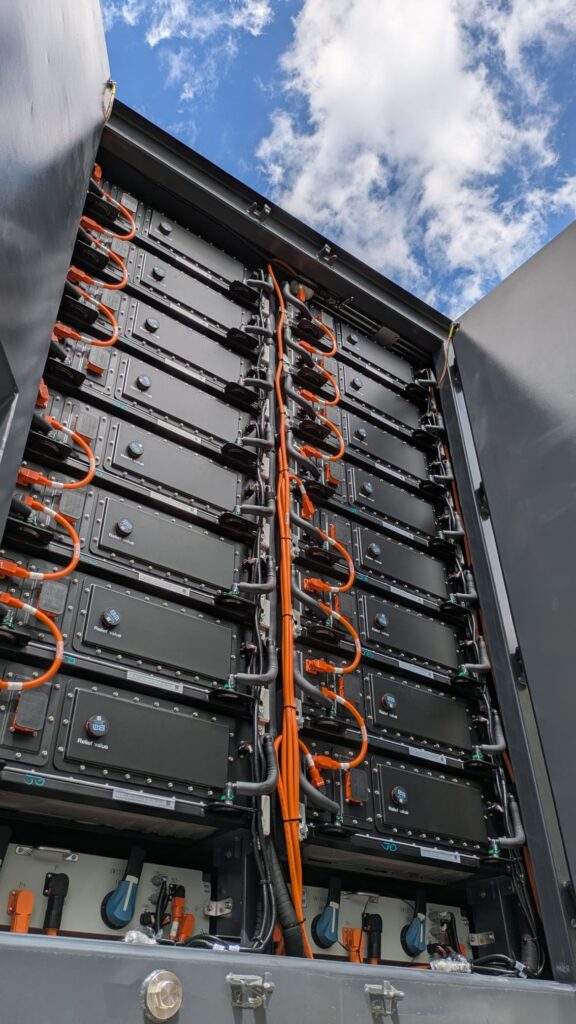
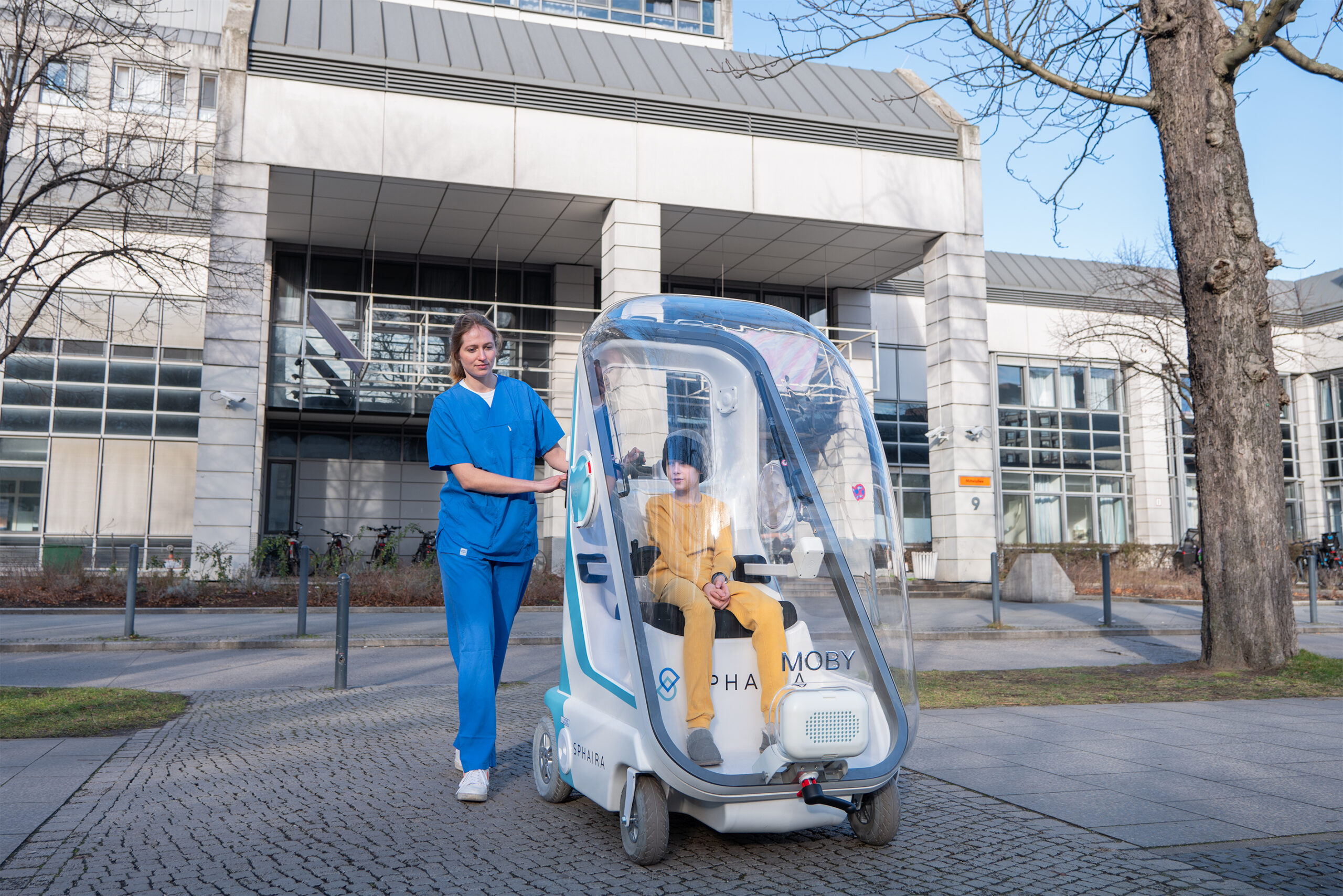
Cyclic batteries for light EV machines and applications, such as Mobility, AWP, Automotive, Cleaning, Golf, Utility, Light EV, Material Handling and more.

Standby
Stationary back-up power used in Telecom, UPS, Data Centres, Emergency Lightning, Industry, Utilities, Renewable Energy, Medical applications and more.
Storage
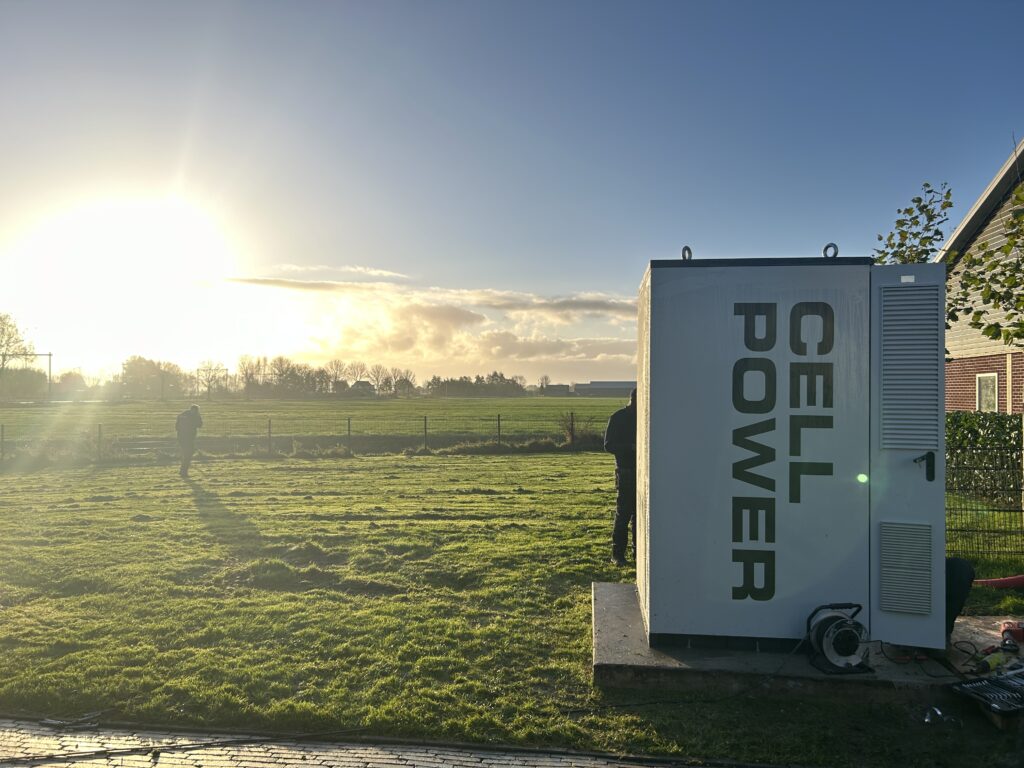
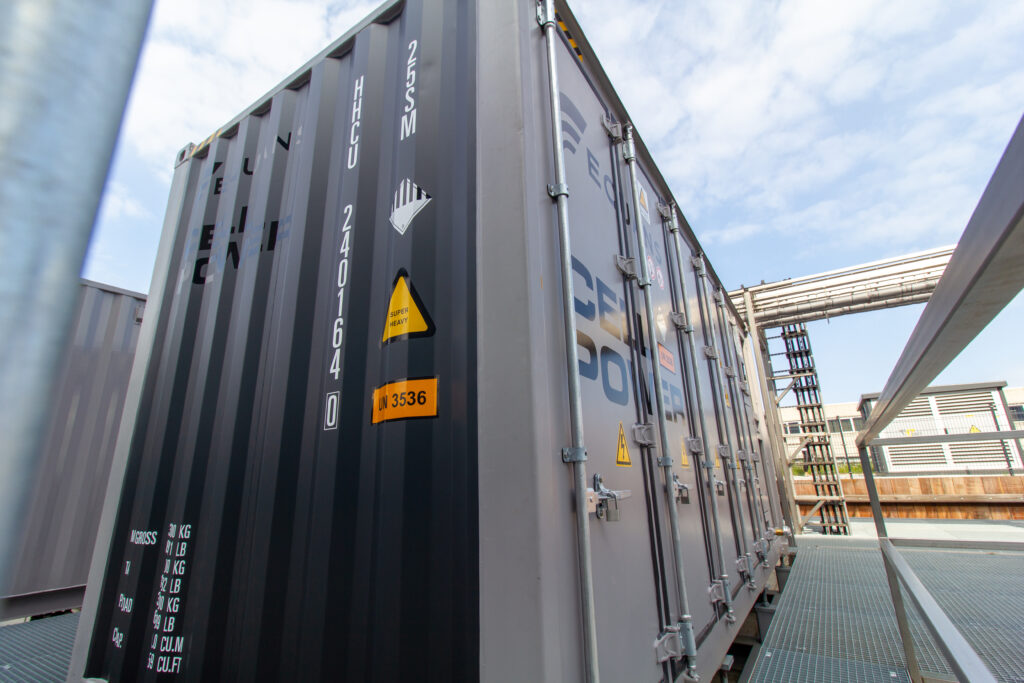
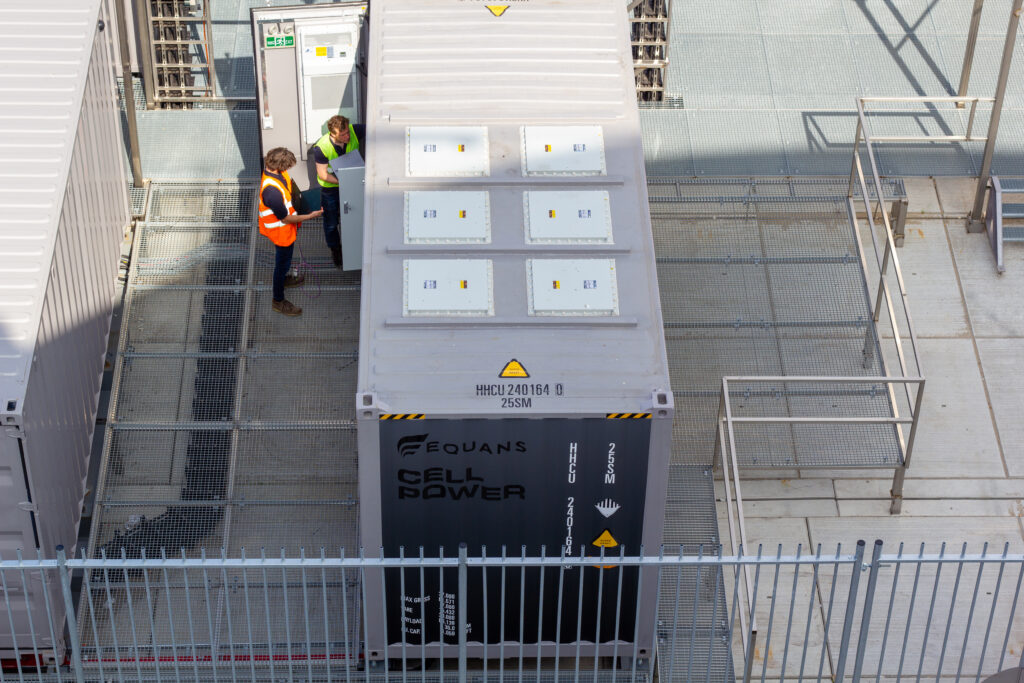
Battery Energy Storage Systems (BESS) that smartly connect to the grid or a renewable energy source to resolve grid congestion, for peak shaving applications and more.
Electrification
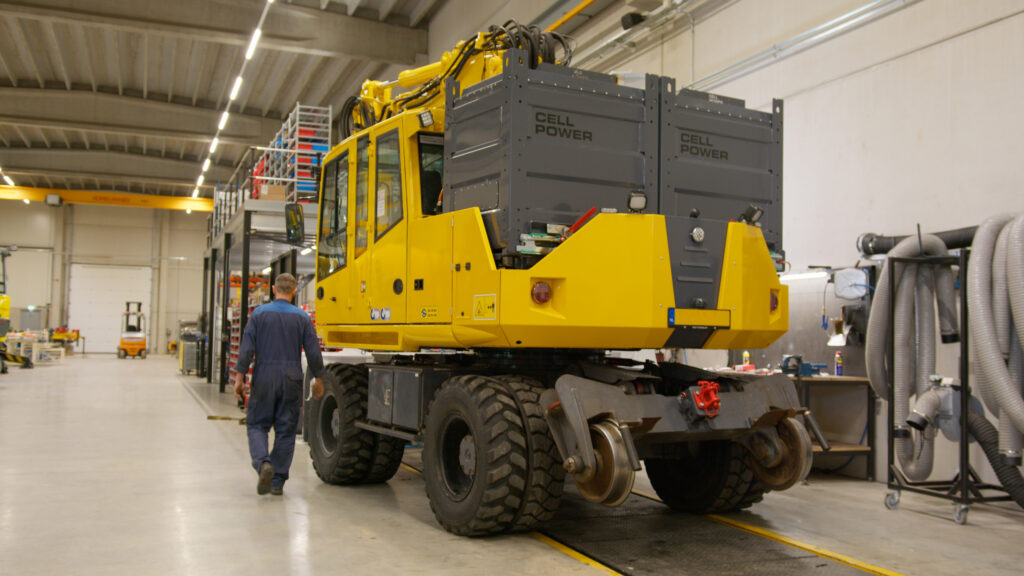
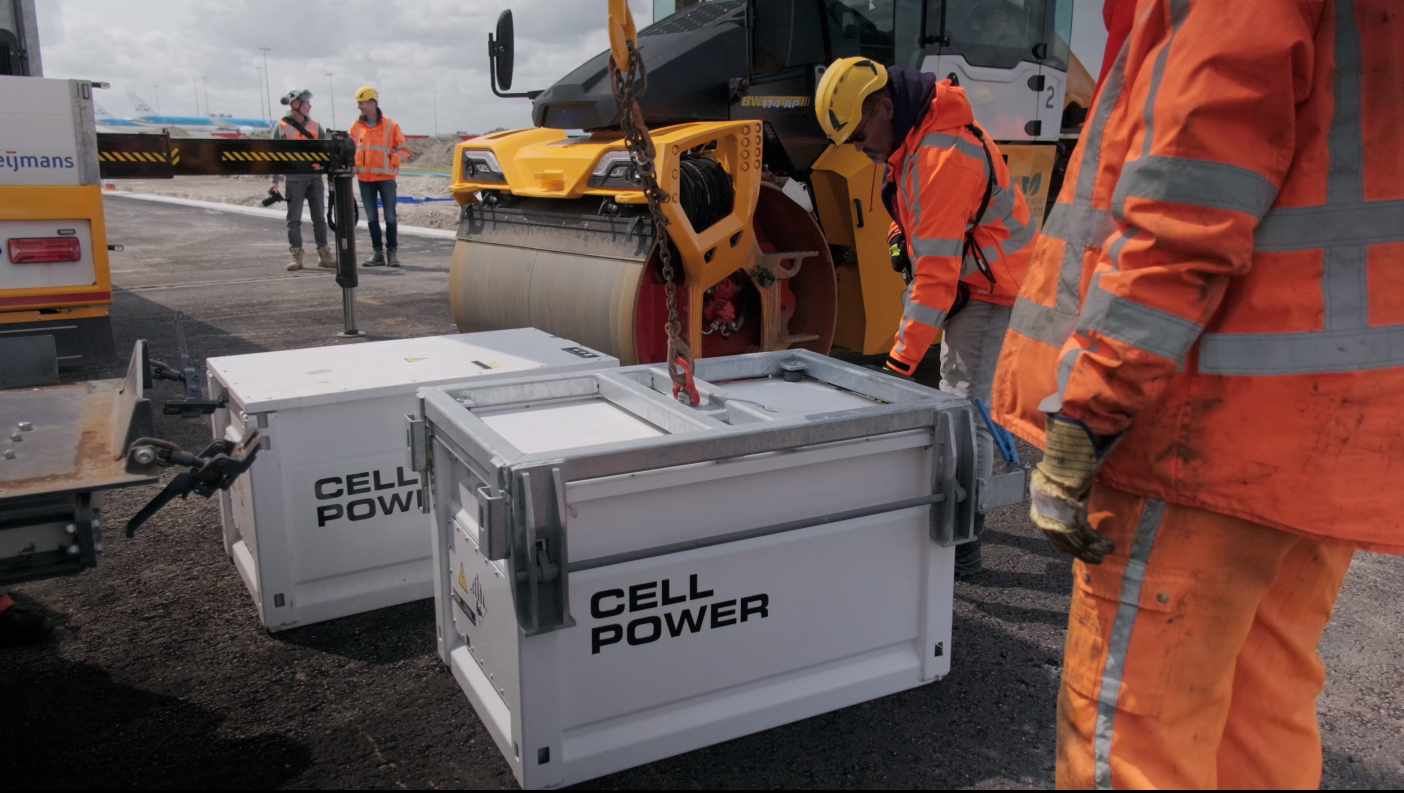
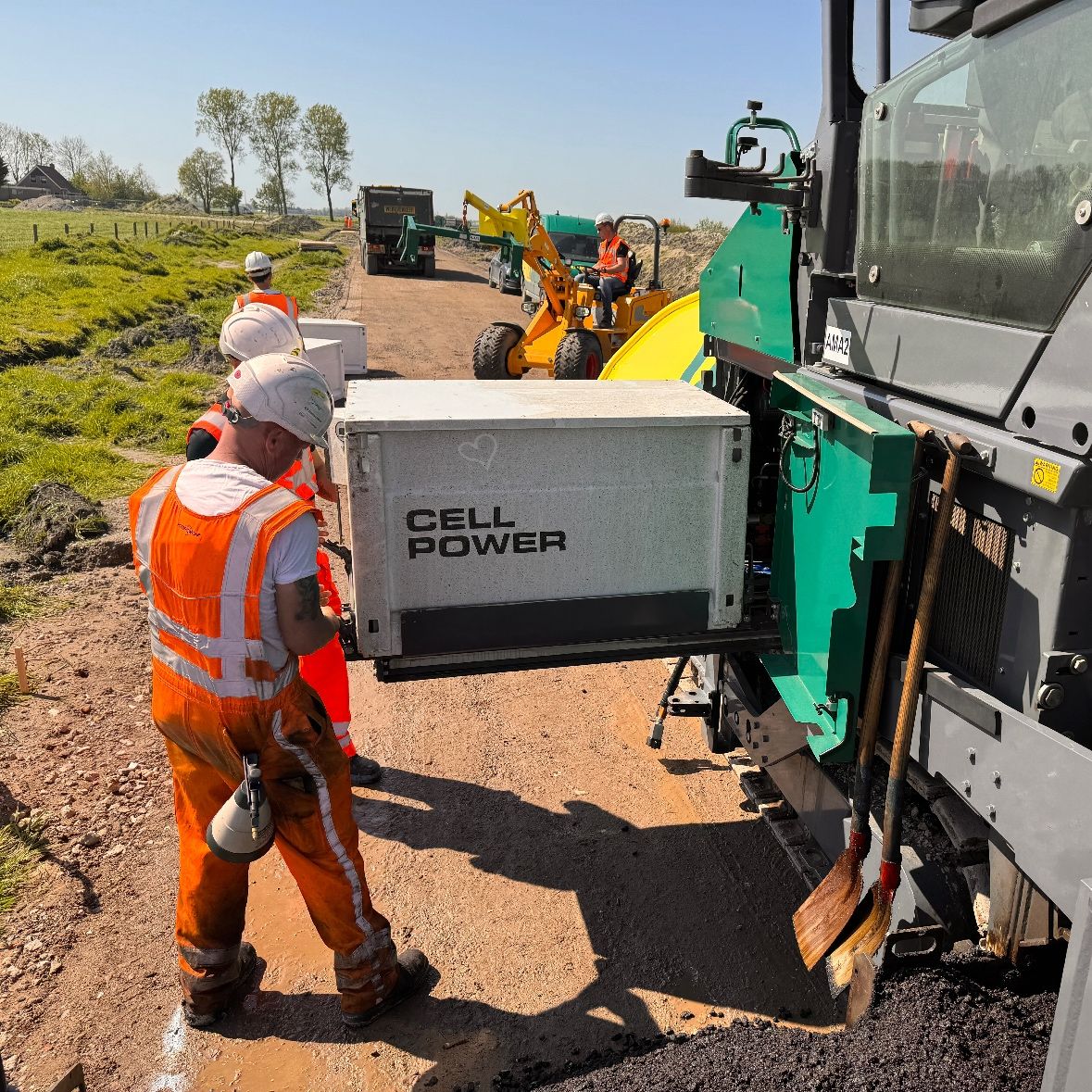
Off-highway battery packs for the electrification of machinery. Swapable or fixed and in any shape and size you need. Co-creation possible for a perfect fit.
Why European batteries matter
Supply chains that stretch thousands of kilometres across multiple continents look efficient until they are not. A single disruption, whether a geopolitical shift, a shipping bottleneck or an export restriction, can leave businesses unable to deliver, unable to plan and unable to explain the situation to their own customers. The longer and more concentrated the chain, the more exposed you are when something moves.
At the same time, rules and regulations are becoming stricter. The EU Battery Regulation introduces requirements that touch every business buying or selling batteries in Europe: carbon footprint declarations, due diligence on raw materials and mandatory recycled content, all accessible in a digital battery passport that makes the entire lifecycle traceable. Compliance is no longer optional, and it is no longer something you can delegate entirely to your supplier without asking questions.
Then there is sustainability reporting. As ESG obligations expand across European industry, procurement teams are being asked to account for what they buy and where it comes from. A battery is not just a battery anymore. It is vital sustainability data for sustainability reporting, a compliance obligation, and increasingly a signal to customers and investors about how a business operates.

European battery market explained
Europe is investing heavily in building its own battery industry. Governments, manufacturers and research institutions are coordinating efforts to reduce dependence on Asian supply chains and build production capacity closer to home. The European Battery Alliance, launched in 2017, is the framework that coordinates much of this ambition. For buyers, the practical effect is simple: more European options, more transparency, and higher baseline standards across the board. But knowing that the market is growing is not the same as knowing how to navigate it. The more useful question is: who are the players, and what do they actually do?
Manufacturers, integrators and distributors
Not every company that sells you a battery makes it. Understanding the difference matters when you are evaluating suppliers.
A manufacturer produces battery cells or complete batteries. A distributor buys from manufacturers and sells on. An integrator takes battery cells or modules and builds them into a complete system, adding battery management systems, software, thermal management and enclosures tailored to a specific application.
In practice, many companies combine roles. A distributor may also integrate. A manufacturer may also carry products from other brands. What matters is knowing which part of the value chain your supplier actually controls, because that determines what they can genuinely take responsibility for.
Made in Europe, assembled in Europe, or sold in Europe
These are not the same thing, and the difference is worth understanding.
A battery that is fully made in Europe, from cell production to final assembly, is still relatively rare and typically comes at a premium price. Cell manufacturing at scale requires gigafactory-level investment that Europe is still building out.
Assembled in Europe means the cells are sourced elsewhere, often Asia, but the system integration happens in Europe. This is where engineering, software, battery management and quality control are applied. For most industrial applications, this is the layer that matters most. It determines safety, performance and compliance.
Sold in Europe simply means a product placed on the European market. It may have been designed and built entirely outside Europe. Under the EU Battery Regulation it has to meet European compliance requirements, but the level of European involvement in the actual product can be minimal.
Want help finding the right battery?
Our experts can help you find the right battery solution. Whether it’s for energy storage, electrification projects, motive power or standby & backup applications.
We’re happy to help
EU Battery Regulation: what you need to know
In August 2023, the EU replaced its old Battery Directive with something fundamentally different. Not a guideline, not a recommendation: a regulation. Directly enforceable in all 27 member states. For anyone buying or selling batteries in Europe, this is the new baseline.
The regulation covers the entire battery lifecycle, from raw material sourcing to end-of-life recycling. It applies to every battery placed on the European market, regardless of where it was made. CE marking is already mandatory. Carbon footprint declarations are phasing in now. And from 2027, a digital battery passport becomes mandatory for industrial batteries above 2 kWh, making the entire supply chain traceable by QR code.
For buyers, this changes what due diligence looks like. For suppliers, it means full traceability across every cell, material and process. The question is not whether this affects you. It is how prepared your supplier is.
Customer stories
-
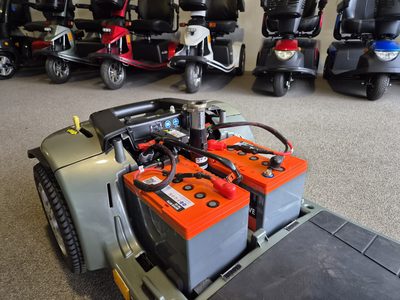
Achterhoek-Comfort – Mobility scooters with GEL batteries
We have been delighted to work with Intercel (formerly Wetac) for many years. Both before and after the merger, we have been very satisfied with the products…
-
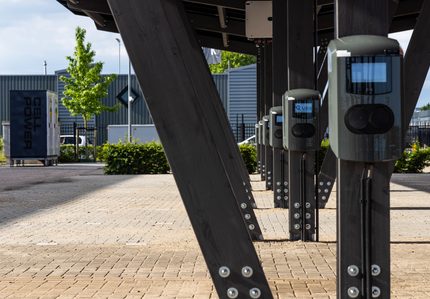
628 kWh – KlokGroep
“We applied to the grid operator for a higher capacity connection. However, we were denied this due to grid congestion in the Netherlands.”
-
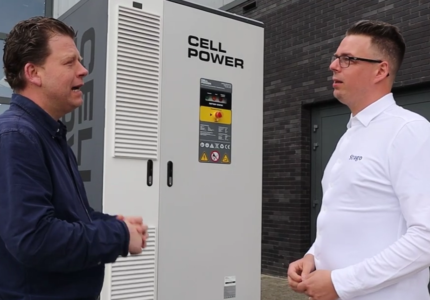
314 kWh – Strago Electro
“With this energy storage system we can use 70% of our own generated power instead of only 20%.” How to use Cellpower energy storage to increase self-consumption.
Why a European battery company matters
Buying batteries is easy. Finding a partner who takes responsibility for the entire picture is harder. These are the reasons why the origin and structure of your supply chain matters more than most buyers initially realise.
Quality and engineering accountability
A battery that leaves a European manufacturing facility has passed through European quality standards, testing requirements and conformity assessments. But quality is not just about the end product. It is about who designed it, who can explain every decision in it, and who is reachable when a question arises eighteen months after delivery. With an imported product, that supply chain is often longer and less transparent than it appears at the time of purchase.
Data security and sovereignty
In industrial machinery, energy storage systems and electrified equipment, batteries in connected systems communicate operational patterns, performance metrics and system diagnostics. When a battery system is designed, assembled and operated within Europe, that data stays within Europe. It is not routed through servers outside European jurisdiction, it is not subject to foreign data laws, and it cannot be accessed by parties outside the reach of European regulation. For organisations in sensitive sectors, or those whose customers ask these questions, that distinction is crucial.
Supply chain transparency and your ESG obligations
The EU Battery Regulation requires carbon footprint declarations, supply chain due diligence and a digital battery passport. But beyond compliance, supply chain transparency is increasingly a business obligation in its own right. Your customers and investors are asking where your components come from.
A European battery partner with documented sourcing and traceable processes makes that work significantly easier. You inherit their transparency. When you source directly from outside Europe, the documentation burden falls on you: certificates to verify, supply chains to audit, risks to assess and report on. Choosing a European partner means you choose peace of mind.
Ecological considerations
Shorter supply chains generally mean lower transport emissions. European environmental standards govern production processes and chemical use. And increasing ESG reporting obligations mean that procurement teams are being asked to account for these factors in ways they were not five years ago.
Independence and supply security
Geopolitical tensions, shipping disruptions and export restrictions have shown what full dependency on distant supply chains looks like under pressure. European battery production, and more broadly European assembly, offers a more controllable risk profile.
European assembly means the engineering happens here, the quality control happens here, and the accountability stays here. The cells may come from wherever makes technical and commercial sense. The result is competitive pricing without sacrificing European standards or data security. Best of both worlds is an overused term, but in this case it’s very accurate.
Liability and local support
When something goes wrong with an imported battery, the path to resolution can be long. Time zones, language barriers, legal jurisdictions: all of it adds friction at exactly the moment you need it least.
A European supplier operates under European law and is reachable when it matters. For complex applications this goes further. Installation support, system training, on-site troubleshooting: these require proximity. A partner who can send someone to your facility, train your team and take responsibility for the outcome is a fundamentally different proposition from a supplier who ships a product and considers the transaction complete.
Price: unit cost versus total cost
European batteries often carry a higher unit price than a direct import. That is a real consideration. But unit price and total cost are different calculations. A battery that is engineered in Europe and assembled with European quality control, but produced with globally competitive cell sourcing, already narrows that gap significantly. Add in compliance work, logistics complexity, warranty handling and the cost of switching suppliers when something does not work out, and the remaining difference frequently justifies itself.
The right choice depends on what you actually value. Not every buyer needs all of this. But knowing which of these factors matter for your application, your customers and your organisation is the right place to start.
FAQ
Does the EU Battery Regulation apply to batteries made outside Europe?
Yes, the European Battery Regulations apply to every battery placed on the European market, regardless of its origin.
Can I still buy non-European batteries and remain compliant?
Yes, the EU Battery Regulation does not impose any origin requirements. A battery that meets all CE, labelling and, in future, battery passport requirements is compliant. The difference lies in who bears responsibility for compliance. If you import the battery, you are the economic operator and you bear that responsibility yourself. If you purchase from a European supplier who is already compliant, you assume their compliance.
What is the battery passport and when is it mandatory?
The battery passport is a digital record, accessible via a QR code, which documents the entire lifecycle of a battery: the origin of materials, carbon footprint, chemical composition and performance data. Every LMT and industrial battery above 2kWh must contain a Battery Passport from February 2027 onwards. It is adviced to stay up to date with legislation.
Is assembled in Europe the same as made in Europe?
No. ‘Made in Europe’ means that the entire battery is manufactured in Europe, which is rare and more expensive. ‘Assembled in Europe’ means that parts of the battery are manufactured elsewhere, but that the engineering, integration, software, quality control and part of the manufacturing takes place in Europe. For most industrial applications, the assembly stage is the most critical factor in terms of safety, performance and compliance.
What happens if my current supplier is not EU compliant?
The responsibility now falls on you as a buyer or importer. Non-compliant batteries may be stopped at the border, withdrawn from the market, or result in fines set by each Member State. More practically speaking: if your customer or auditor asks for CE documentation or carbon footprint data and you are unable to provide it, you will face a problem that is difficult to resolve quickly.
Do European batteries qualify for sustainability reporting?
Not automatically, but they do make it significantly easier. ESG frameworks require verifiable information on the origin and impact of components. A European supplier with a documented supply chain, carbon footprint declarations and traceable materials provides that information as standard. Otherwise, you would have to collect, verify and report that data yourself.
What are European battery companies?
European battery companies are manufacturers, integrators and suppliers that develop, assemble or supply batteries within Europe while operating under strict European quality, safety and environmental regulations. Much like the reputation behind Swiss Made, European battery companies are associated with strict quality standards, accountability and compliance.
Not all European battery companies play the same role. Some manufacture complete batteries in Europe (Made in Europe), others assemble battery systems using imported cells (Assembled in Europe), while some only distribute products from outside Europe (Sold in Europe). Understanding these differences helps you evaluate the level of European engineering, quality control and support behind a battery.
Choosing a European battery company can also reduce compliance risks, improve supply chain transparency and provide easier access to local engineering, warranty support and technical expertise. As European battery regulations continue to evolve, working with a European partner makes it easier to stay compliant while building a more resilient supply chain.
Question or comment?
Do you have a question about this topic, or want to exchange thoughts about energy solutions?
Reach out, our specialists are happy to help.