

Lithium batteries have become the preferred choice for a wide range of industrial and commercial applications. Thanks to their high energy density, long service life and low maintenance requirements, they are increasingly replacing traditional lead-acid batteries in mobile equipment, backup power systems, machine electrification and energy storage.
At Intercel, we supply lithium batteries for a wide variety of professional applications. From standard batteries for motive power and backup systems to custom battery packs for machine electrification and large-scale energy storage, we help customers select the right battery technology for long-lasting and reliable performance.
Discover how lithium batteries work, their key advantages and disadvantages, and how to determine whether they are the right choice for your application.
Explore all battery technologies
Discover the different battery technologies and where each truly powers ahead.
What is a lithium battery?
A lithium battery is a rechargeable battery that uses lithium to store and deliver electrical energy. Thanks to its high energy density, low weight and long service life, lithium has become one of the most widely used battery technologies for professional and industrial applications.
Compared with traditional lead-acid batteries, lithium batteries can store more energy in a smaller and lighter battery. They also charge faster, require less maintenance and typically last significantly longer, making them a popular choice for motive power, backup power, machine electrification and energy storage.
There are several types of lithium batteries, each with its own characteristics. For industrial applications, Lithium Iron Phosphate (LiFePO4) has become one of the most widely used chemistries because of its long cycle life, high safety standards and reliable performance.
Table of Contents
The advantages of lithium batteries
Lithium batteries have become the preferred battery technology for many industrial and commercial applications. Compared with traditional lead-acid batteries, they offer a combination of high energy density, long service life and low maintenance, making them suitable for applications where reliability, efficiency and total cost of ownership are important.
Their ability to deliver consistent performance throughout their lifetime has made lithium batteries the standard choice for applications ranging from mobile equipment and backup power systems to machine electrification and commercial energy storage.
✓ High energy density
Lithium batteries can provide higher energy density than traditional rechargeable batteries such as nickel-cadmium (NiCd) or nickel-metal hydride (NiMH), and even higher than lithium-ion batteries. This makes these batteries ideal for applications such as mobile devices and laptops, where space and weight are minimal.
✓ High efficiency
Lithium batteries operate with high charge and discharge efficiency, allowing more of the stored energy to be used. This contributes to lower energy losses and improved overall system performance.
✓ Fast charging and opportunity charging
Lithium batteries support fast charging and can be recharged during short breaks without significantly affecting battery life. This helps maximise equipment availability and reduce downtime.
✓ Longevity
Lithium batteries have a long service life and can undergo hundreds to thousands of charge cycles before their capacity decreases noticeably.
✓ Low self-discharge
Lithium batteries lose very little charge while in storage, allowing them to retain their capacity for longer periods when not in use.
✓ Higher voltage
Lithium batteries provide a high average voltage, often around 3.5 volts, which is higher than the 1.2 to 1.5 volts of NiCd or NiMH batteries.
✓ lightweight
Lithium batteries provide not only high capacity with relative small space, it weighs significantly less than alternative battery technologies. Ideal for those applications where weight matters.
✓ Low maintenance
Unlike some traditional battery technologies, lithium batteries require virtually no routine maintenance. There is no need to top up electrolyte levels, helping reduce maintenance costs and service time.
Thinking of switching from lead to lithium?
Wondering whether lithium is the right replacement for your lead batteries? Learn about the benefits, considerations and key differences between both technologies in our guide to the Cellpower CLF lithium battery range.
Application of Lithium batteries
Thanks to their high energy density, long service life and low maintenance requirements, lithium batteries are used across a wide range of industries. While the core technology remains the same, the battery requirements differ depending on the application. Factors such as runtime, charging behaviour, available installation space and power demand all influence the ideal battery configuration.
When should I choose for lithium batteries?
Lithium for motive applications
Applications mobile machines, robots and light electric vehicles often have limited installation space and strict weight restrictions.
The high energy density of lithium batteries makes it possible to store more energy in a smaller and lighter battery pack. In addition, lithium batteries support opportunity charging, allowing equipment to be charged during short breaks without negatively affecting battery life.
Lithium for energy storage
Energy storage systems require batteries that can be charged and discharged frequently while maintaining reliable performance over many years.
Lithium batteries offer a long cycle life, high round-trip efficiency and low maintenance requirements. These characteristics make them suitable for applications such as solar energy storage, peak shaving, self-consumption and commercial battery energy storage systems.
Lithium for the electification of machines
The electrification of construction equipment, utility vehicles and other heavy-duty machines places high demands on battery systems.
Battery packs often need to fit within existing machine designs while delivering sufficient power for intensive daily use. Lithium batteries are well suited for these applications thanks to their modular design, high power output and flexibility in custom battery configurations.
Lithium batteries for backup power
Lithium batteries are increasingly used in backup power applications due to their long service life, low maintenance requirements and compact design.
Do you have a project in mind?
From our own premium brands to leading A-brands, we offer a complete range of high-quality batteries and energy systems. Always selected to deliver reliability, performance and a perfect fit for your project.
When should you choose a lithium battery?
Lithium batteries are not the right choice for every application, but they offer significant advantages when performance, efficiency and long-term reliability are important. Compared with traditional lead-acid batteries, they deliver more usable energy, require less maintenance and typically provide a lower total cost of ownership over their lifetime.
A lithium battery is often the preferred choice when:
- Installation space is limited and a compact battery is required.
- Weight reduction improves the performance of the equipment.
- The battery is charged frequently or opportunity charging is required.
- Long runtime and maximum equipment availability are important.
- Maintenance should be kept to a minimum.
- A long service life helps reduce replacement costs.
For applications with low daily usage or where the lowest initial purchase price is the main priority, a lead-acid battery may still be a suitable alternative. The right battery technology ultimately depends on the application, operating conditions and total cost over the battery’s lifetime.
Lithium battery vs lead-acid battery
Lithium and lead-acid batteries each have their own strengths. The right choice depends on the application, operating conditions and the total cost over the battery’s lifetime. While lithium batteries generally offer higher performance and require less maintenance, lead-acid batteries can still be a cost-effective option for applications with lower daily usage or limited budgets.
The table highlights the main differences between both battery technologies.
Although lithium batteries typically require a higher initial investment, their longer service life, lower maintenance requirements and higher efficiency often result in a lower total cost of ownership. For applications with intensive daily use, this can make lithium the most economical choice over the lifetime of the battery.
| Feature | Lithium battery | Lead-acid battery |
|---|---|---|
| Energy density | High | Lower |
| Weight | Lightweight | Heavier |
| Charging time | Fast | Slower |
| Opportunity charging | Yes | Limited |
| Cycle life | High | Lower |
| Maintenance | Minimal | Regular maintenance may be required* |
| Usable capacity | High | Lower |
| Initial investment | Higher | Lower |
| Total cost of ownership | Often lower over the battery lifetime | Often lower initial purchase price |
* Depending on the battery technology. Sealed AGM and GEL batteries require virtually no maintenance, while flooded lead-acid batteries require periodic topping up with water.
FAQ
What is a Lithium battery?
A lithium battery is one that uses lithium or a lithium alloy instead of lead to generate power. Lithium is the lightest metal and offers the greatest electrochemical strength and energy density per weight. This makes lithium batteries enormously energy efficient and suitable for applications where weight and space are limiting.
How long does a lithium battery last?
The exact life-time of a lithium battery varies. It depends not only on the type of battery (the exact chemistry), but also on the operating circumstances, how it’s used and stored. Lithium batteries have a long service life and can undergo hundreds to thousands of charge cycles before their capacity decreases noticeably.
What charger do I need for my lithium battery?
This depends on the type of lithium battery you have. There are 6V, 12V, 24V, 36V and 48V battery chargers with different charging currents, from 0.5A to 50A. In addition, there are various types of housing for battery chargers, such as plug chargers, table chargers and battery chargers with waterproof housings. For more information about lithium chargers check lithium battery chargers
is a li ion battery lithium?
Yes, a Li-ion battery is a lithium-ion battery.
Can a lithium battery replace a lead-acid battery?
Yes. If you are thinking of switching from lead to lithium it it’s worth taking a look at our CLF range. It’s instantly interchangeable with existing lead-acid batteries. Our guide provides you with everything you need to know.
Are lithium batteries safe?
Yes. Safety is a must with all battery technologies. More about Battery safety.
Are lithium batteries sustainable?
sustainability and compliance matter. Wether its lithium or other battery technologies. Read our commitment to sustainability here.
Why choose lithium over lead-acid batteries?
Lithium batteries have become the standard for many modern battery-powered applications. Their combination of high energy density, long service life and fast charging makes them a strong alternative to traditional lead-acid batteries. Whether powering forklifts, autonomous mobile robots, backup systems or energy storage installations, lithium technology enables longer runtimes, lower maintenance and greater design flexibility.
What are lithium battery advantages?
Lithium batteries offer several advantages over traditional battery technologies. They provide a high energy density, fast charging, long service life and low maintenance requirements. Their lightweight design and high efficiency also make them well suited for applications where performance, runtime and reliability are important.
Read all about the advantages here.
What are lithium battery disadvantages?
The main disadvantage of lithium batteries is their higher initial purchase price compared with lead-acid batteries. However, for applications with intensive daily use, the longer lifespan and lower maintenance requirements often result in a lower total cost of ownership.
How does a lithium battery work?
A lithium battery stores and releases energy by moving lithium ions between the positive and negative electrodes during charging and discharging. This highly efficient process allows lithium batteries to deliver high performance, fast charging and a long cycle life while maintaining a compact and lightweight design.
What is lithium?
Lithium is a naturally occurring chemical element and the lightest metal on Earth. Thanks to its low weight and high electrochemical potential, lithium can store a large amount of energy in a compact space. These unique properties make it an ideal material for rechargeable batteries used in applications ranging from portable electronics to industrial equipment, backup power systems and energy storage.
Energy solutions for every application

Our batteries in the field
Energy solutions for every application, trusted by companies like yours. Find out how they benefit from our solution. These are their stories.

Most used Lithium batteries
-
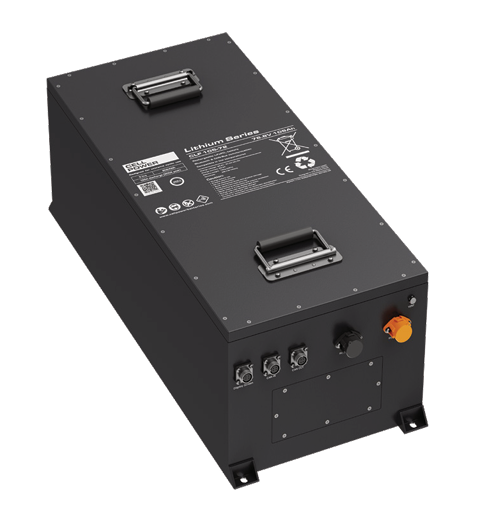
Cellpower CLF 105 – 72
More info: Cellpower CLF 105 – 72- 740 x 320 x 262 mm
- Cyclic
- 105 Ah
- Lithium
- 72 V
-
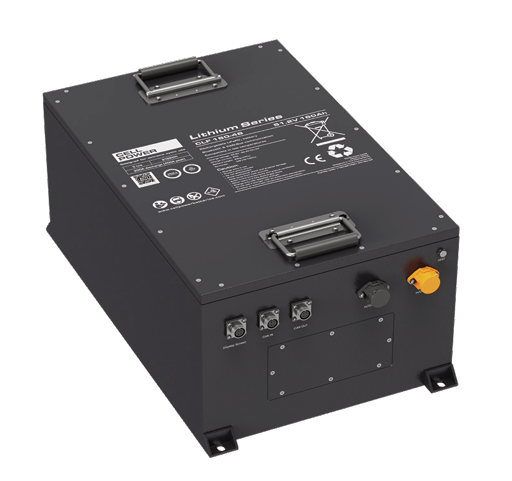
Cellpower CLF 160 – 48
More info: Cellpower CLF 160 – 48- 579 x 360 x 266 mm
- Cyclic
- 160 Ah
- Lithium
- 48 V
-
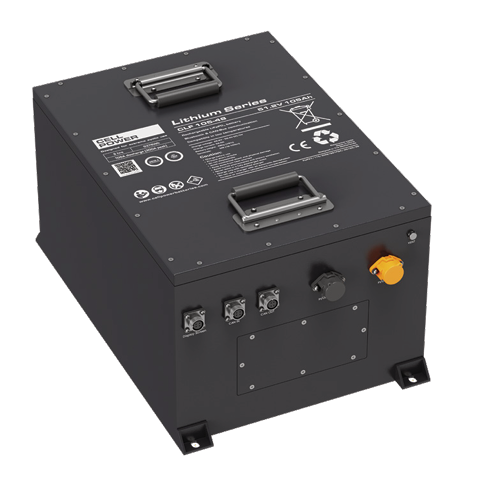
Cellpower CLF 105 – 48
More info: Cellpower CLF 105 – 48- 500 x 343 x 272 mm
- Cyclic
- 105 Ah
- Lithium
- 48 V
-
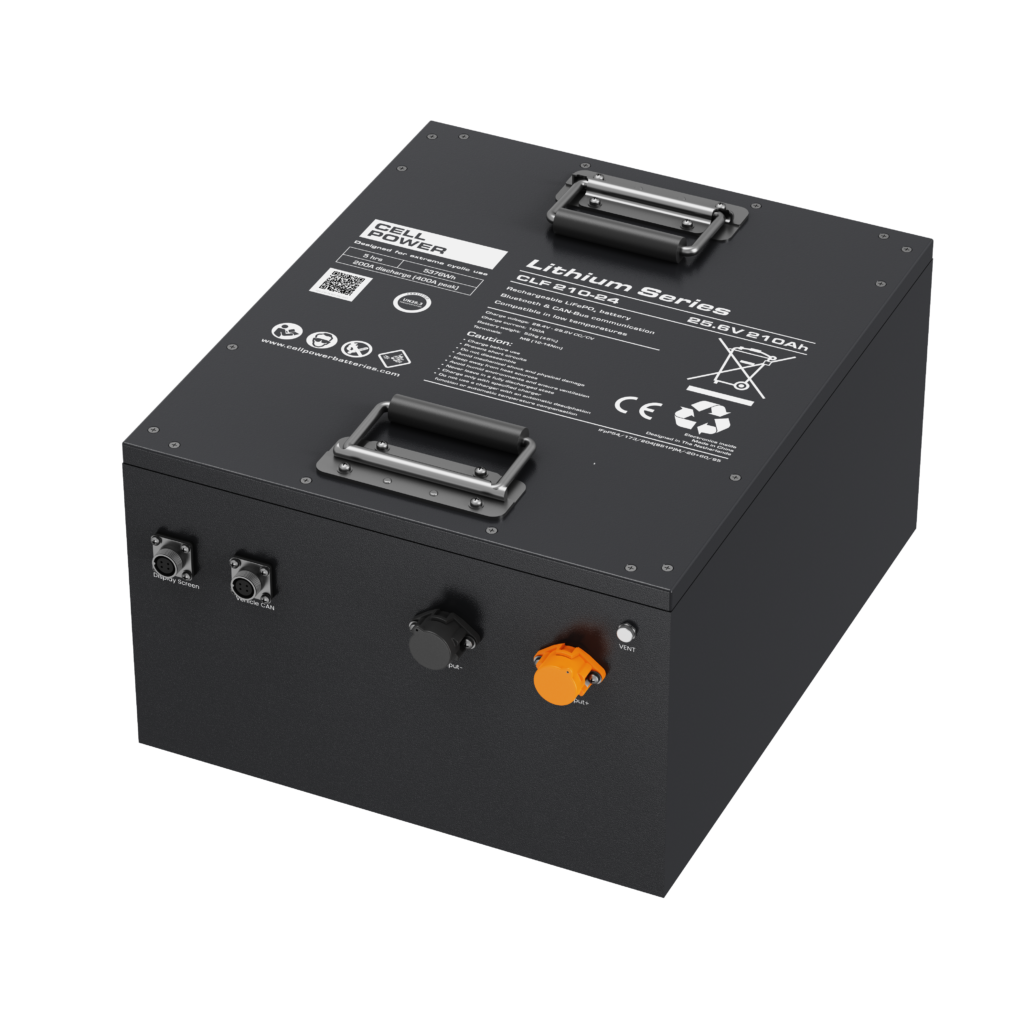
Cellpower CLF 210 – 24
More info: Cellpower CLF 210 – 24- 443 x 355 x 241 mm
- Cyclic
- 210 Ah
- Lithium
- 24 V