


48V Lithium battery
A 48V lithium battery is the preferred choice for applications that require higher power, greater efficiency and long operating times. Compared to lower-voltage battery systems, a lithium battery 48V delivers the same power at a lower current, reducing energy losses, improving overall system efficiency and allowing for lighter cabling.
Today, 48V lithium batteries are widely used in industrial vehicles, autonomous mobile robots (AGVs), cleaning machines, telecom systems, backup power installations and custom electrification projects. While several lithium chemistries are available, LiFePO4 (Lithium Iron Phosphate) has become the preferred technology for most professional 48V applications thanks to its excellent safety, long cycle life and low maintenance requirements.
Whether you are replacing a 48V lead-acid battery or designing a new battery-powered system, understanding the advantages of a 48V lithium battery helps you choose the right solution for your application.
LiFePO4 battery 48V from Intercel
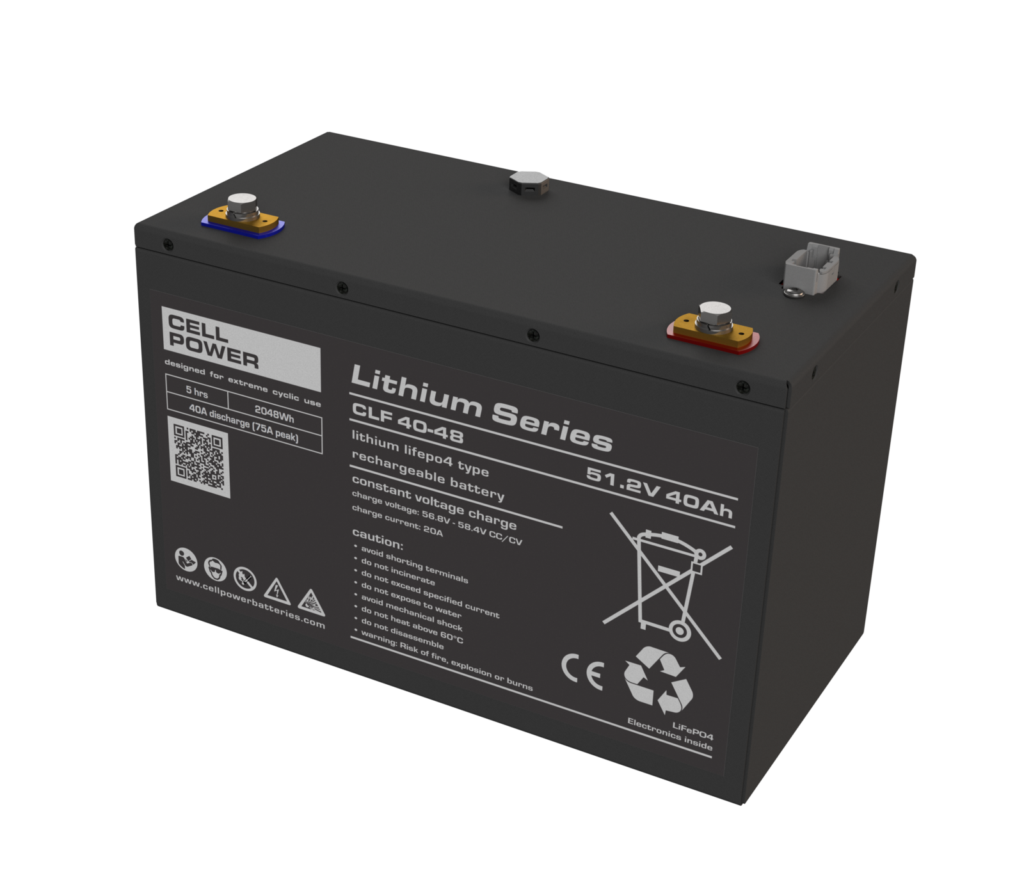
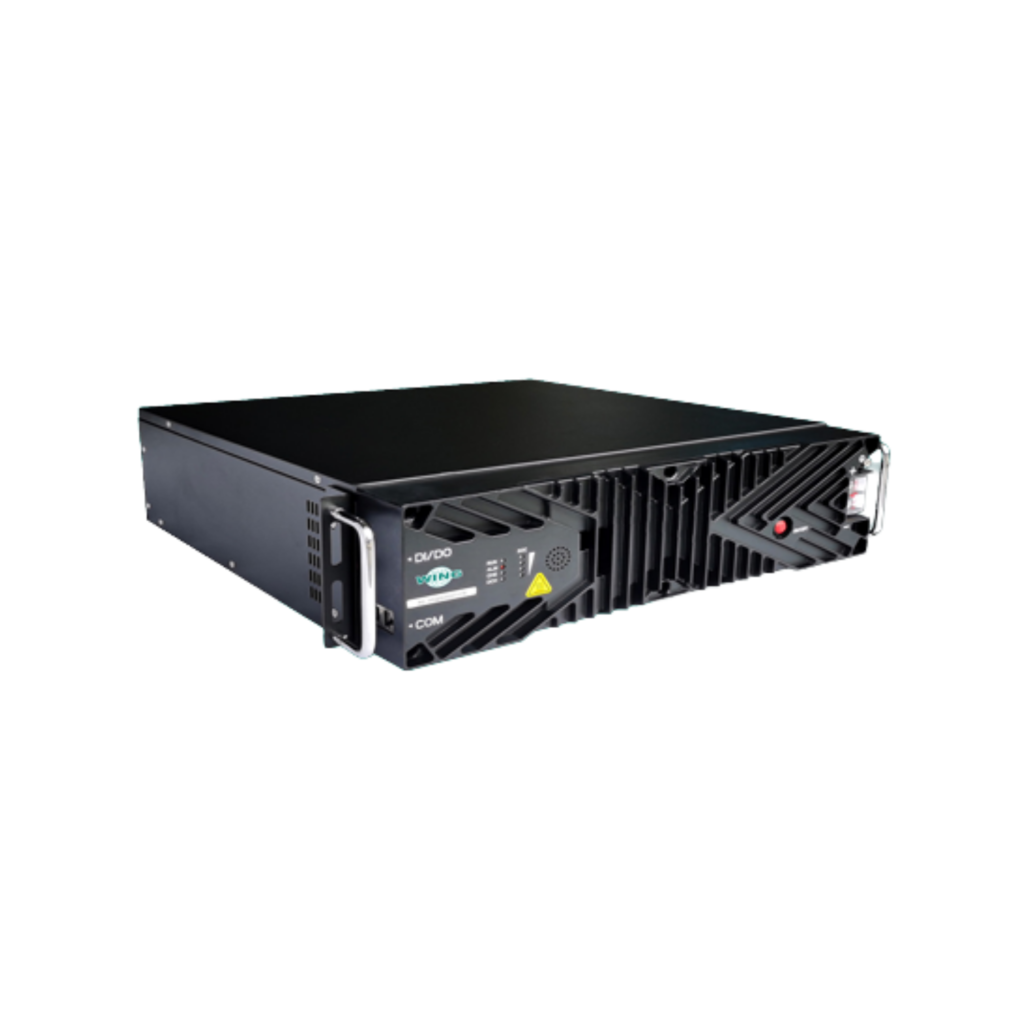
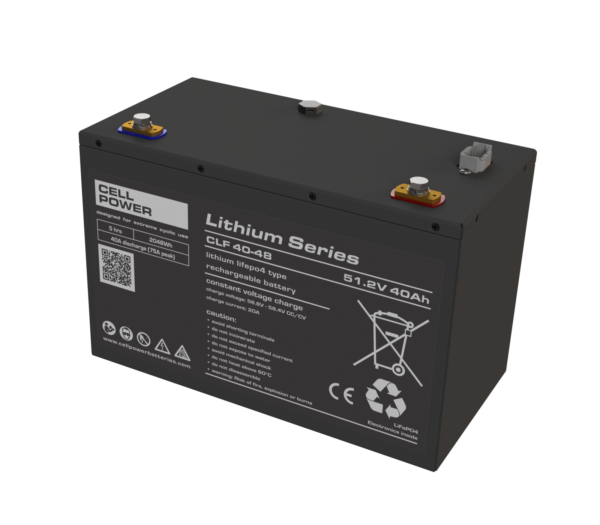
At Intercel you will find various 48V lithium batteries, such as the Cellpower CLF 40-48 or the wing LIFE 100 – 48. But you can also contact us for lithium batteries of, for example, 100ah or 200Ah.
What is a 48V lithium battery?
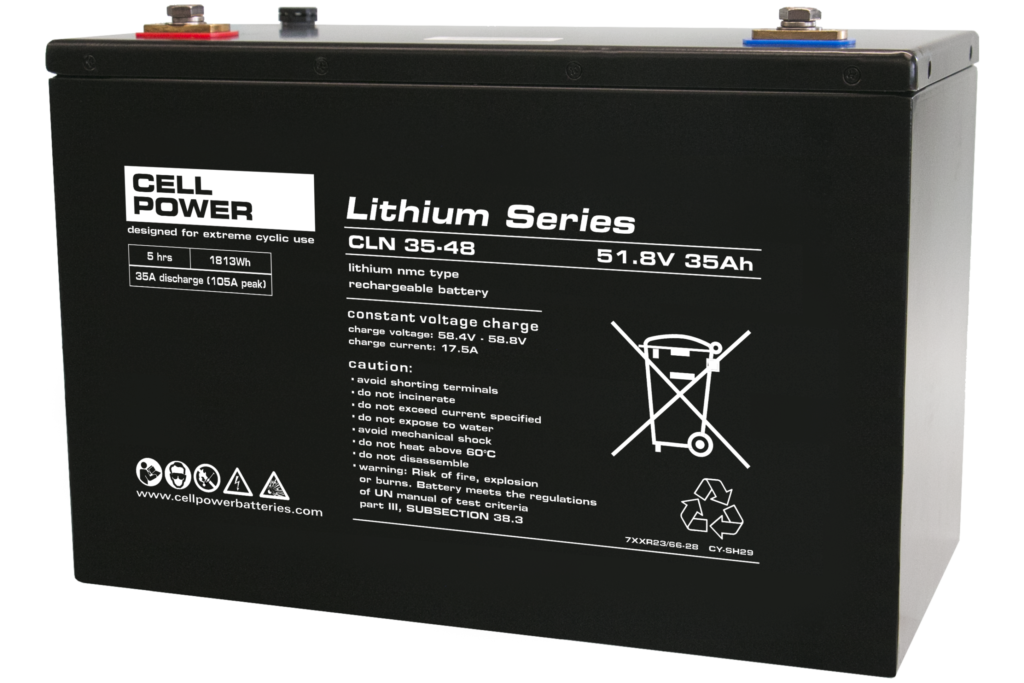
A 48V lithium battery is a rechargeable battery system that delivers a nominal voltage of approximately 51.2 volts when built with LiFePO4 cells. Compared to 12V and 24V systems, a 48V battery can deliver significantly more power while drawing less current. Lower current means reduced heat generation, lower cable losses and improved overall efficiency, making 48V an ideal choice for applications with higher power demands.
Most professional 48V lithium batteries include an integrated Battery Management System (BMS), which continuously monitors cell voltage, temperature and current. The BMS protects the battery against overcharging, deep discharge, short circuits and overheating, helping maximise both safety and service life.
A 48V lithium battery is available in a wide range of capacities, from compact battery packs for mobile equipment to larger systems such as a lithium 48V 100Ah battery, commonly used in industrial vehicles, telecom installations and energy storage applications. Depending on the required runtime and power demand, multiple batteries can also be connected to create larger battery systems.
Unlike traditional lead-acid batteries, LiFePO4 batteries can safely operate over thousands of charge cycles while maintaining a high usable capacity. Combined with fast charging, low maintenance and excellent reliability, this makes 48V lithium batteries a popular choice for demanding industrial and commercial applications.
Applications of 48V lithium batteries
The combination of high power output, long cycle life and low maintenance makes 48V lithium batteries suitable for a wide range of professional applications. Compared to lower-voltage systems, 48V batteries are often chosen where greater power, longer operating times or higher efficiency are required. Although lithium batteries are used across many industries, most 48V applications can be grouped into two categories:
Motive applications
48V lithium batteries are widely used to power electrically driven vehicles and industrial equipment that operate for long periods or require high peak power. Their stable voltage, fast charging capabilities and long service life help maximise uptime while reducing maintenance compared to lead-acid batteries.
Typical motive applications include:
- Forklifts
- Autonomous mobile robots (AGVs and AMRs)
- Cleaning machines
- Golf carts and utility vehicles
- Mobile machinery
Backup power
For standby applications, reliability is the highest priority. A 48V lithium battery provides dependable backup power for critical systems while offering a longer service life and faster recovery after a power outage than traditional lead-acid batteries.
Typical standby applications include:
- UPS systems
- Telecommunications infrastructure
- Data centres
- Emergency power systems
- Industrial control systems
Why choose a 48V lithium battery?
A 48V lithium battery is the preferred choice for applications that require higher power, greater efficiency and longer operating times than lower-voltage battery systems can provide. By operating at a higher voltage, a 48V system delivers the same power at a lower current, reducing energy losses and improving overall system performance.
Compared to 24V systems, a 48V battery is often better suited for larger electrical loads, high-power equipment and applications with frequent peak power demands. It can also simplify system design by reducing cable sizes, minimising voltage drop and supporting more powerful electrical systems without increasing current.
Combined with the benefits of LiFePO4 technology, including fast charging, long cycle life and minimal maintenance, a 48V lithium battery provides a reliable and efficient solution for demanding motive and standby applications.
12V, 24V or 48V: which battery voltage should you choose?
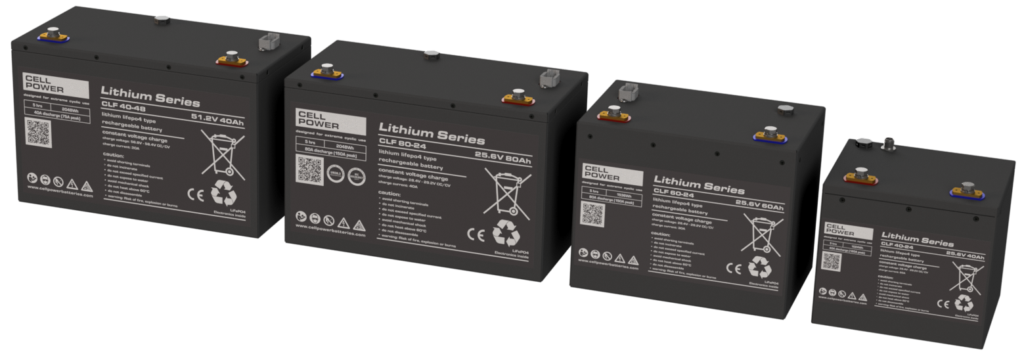
The right battery voltage depends on the power requirements of your application. While all three voltages are widely used, each serves a different purpose.
12V lithium battery
Compact applications
12V lithium batteries are used in compact applications where low weight, reliable power and simple integration are important. They are suitable for small mobile equipment, portable power systems, standby applications and marine electronics.
24V lithium battery
Medium-power applications
24V lithium batteries are used in applications that require more power than a 12V system, while keeping the battery system compact. They are suitable for mobility equipment, cleaning machines, AGVs and other light industrial vehicles.
48V lithium battery
Higher-power applications
48V lithium batteries are used in motive applications that require more power and efficiency than 12V or 24V systems, without moving into high-voltage battery architecture. They are suitable for larger cleaning machines, material handling equipment, AGVs, AMRs and other electric industrial vehicles.
How to choose the right 48V lithium battery
Choosing the right 48V lithium battery depends on more than just voltage. Factors such as capacity, power demand, charging requirements and the operating environment all influence which battery is best suited for your application.
One of the first considerations is the required battery capacity, expressed in ampere-hours (Ah). A higher capacity provides a longer runtime but also increases the battery’s size and weight. For many industrial applications, a lithium 48V 100Ah battery is a popular choice, although the ideal capacity always depends on the required operating time and power consumption.
It is also important to consider the battery’s continuous and peak discharge current. Applications with high starting currents or frequent peak loads require a battery that can safely deliver the necessary power without affecting performance or service life.
Other factors to consider include:
- The available installation space and weight limitations
- The required charging time and compatible charger
- Operating temperatures and environmental conditions
- Communication protocols such as CAN bus or RS485, if integration with other systems is required
- Certifications and safety requirements for your application
Selecting the right battery helps maximise performance, reliability and service life while ensuring the battery matches the demands of your equipment. battery improves performance, increases reliability and helps maximise the lifetime of the complete battery system.
FAQ
What is a 48V lithium battery?
A 48V lithium battery is a rechargeable battery system designed to deliver a nominal voltage of approximately 51.2V when using LiFePO4 cells. It is commonly used in applications that require more power and higher efficiency than lower-voltage battery systems can provide, including industrial vehicles, telecom equipment and backup power systems.
What are the advantages of a 48V lithium battery?
A 48V lithium battery offers higher efficiency, lower current, faster charging and a longer service life than traditional lead-acid batteries. Operating at a higher voltage also helps reduce energy losses and supports more powerful electrical systems while requiring less maintenance.
What is the difference between a 24V and a 48V lithium battery?
The main difference is the operating voltage. A 48V battery can deliver the same amount of power as a 24V battery while drawing less current, making it more suitable for applications with higher power demands. The best choice depends on the power requirements, runtime and electrical design of your system.
Can I replace a 48V lead-acid battery with a 48V lithium battery?
In many cases, yes. A 48V lithium battery can often replace a 48V lead-acid battery while offering lower weight, faster charging, longer service life and improved efficiency. However, it is important to verify that the charger, battery dimensions and electrical system are compatible before replacing the battery.
Are LiFePO4 battery cells better than AGM battery cells?
LiFePO4 cells achieve about 5 times more cycles than AGM battery cells.
In addition, LiFePO4 lithium battery cells are 60% lighter than traditional lead acid batteries and are safer than lithium ion and lithium polymer batteries.
LiFePO4 batteries are equipped with electronics that monitor the battery cells.
This prevents overcurrent, overcharging, over discharging and large fluctuating temperature.
This safety mechanism also makes the battery last longer.
What is a lithium 48V 100Ah battery?
A lithium 48V 100Ah battery has a nominal energy capacity of approximately 5.12 kWh (48V × 100Ah). This configuration is commonly used in industrial equipment, AGVs, telecom systems and other applications that require long operating times and reliable power delivery.
How long does a 48V lithium battery last?
The lifespan depends on the battery chemistry, operating conditions and charging behaviour. Most professional LiFePO4 batteries are designed to deliver several thousand charge cycles, which can translate into many years of service under normal operating conditions.
Still got a question? Our experts are ready to help.
What charger do I need for a 48V lithium battery?
A 48V lithium battery should always be charged with a charger that is compatible with its battery chemistry and charging profile. Using the correct lithium charger ensures safe charging, optimal battery performance and maximum service life. More information about our lithium battery chargers can be found here.
Still got a question? Our experts are ready to help.
Are 48V lithium batteries safe?
Yes. Professional 48V lithium batteries based on LiFePO4 technology are among the safest lithium battery systems available. Combined with an integrated Battery Management System (BMS), they are protected against overcharging, deep discharge, overheating and short circuits.
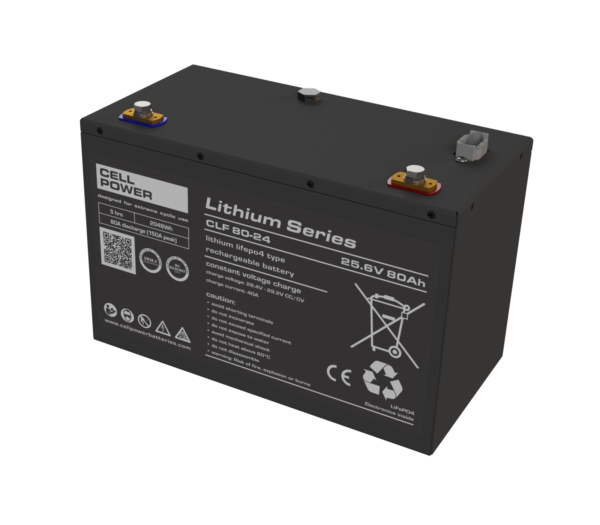
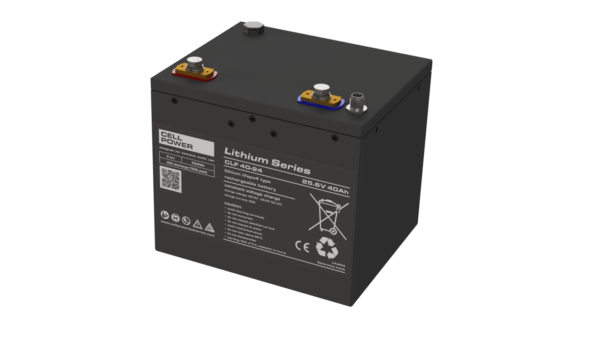
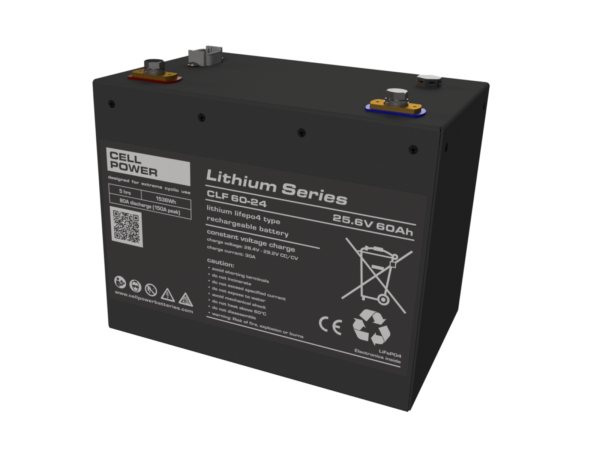
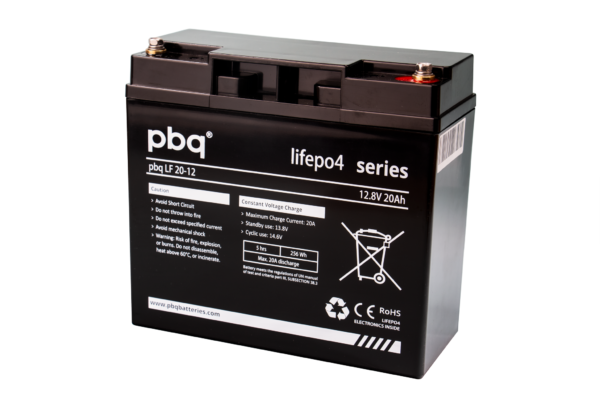
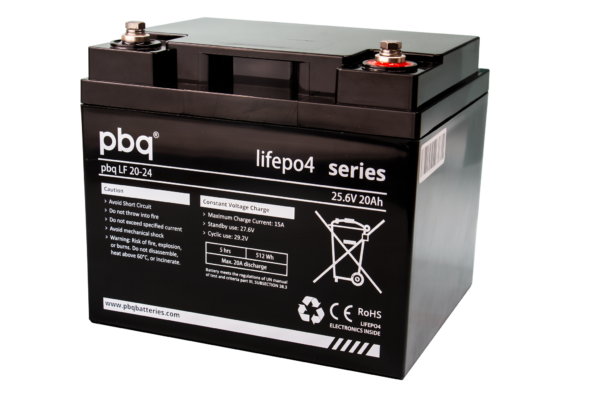
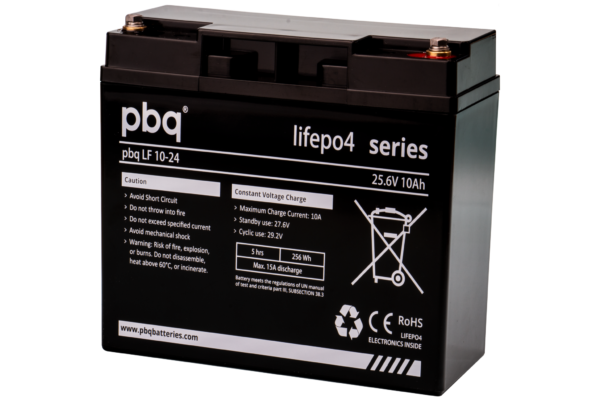
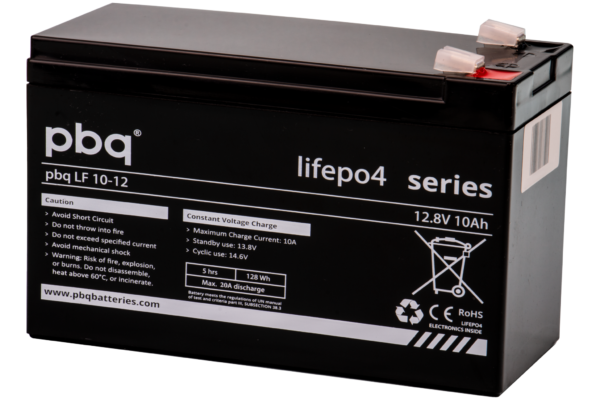
Most used Lithium batteries
Customer stories
-

Skyjack – Batteries for Aerial Working Platforms
Intercel offered us excellent options both from technical and commercial point of view. We could choose the best solutions for our applications from their wide range of…
-
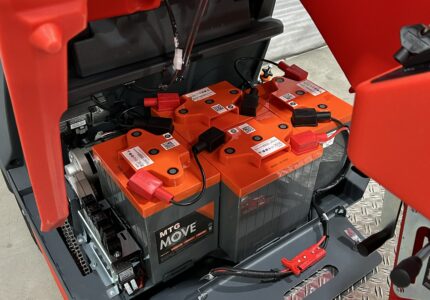
Stolzenberg GmbH – Batteries for Ride-on Sweeper
Our collaboration with Intercel has been very positive throughout. Their solution-oriented approach and professional communication are excellent. Even when
-

Nilfisk – Batteries for Walk Behind Scrubber
The great advantage of Intercel is that almost everything we expect from a supplier is in stock and immediately available and the quality is simply good.
Need help selecting the right battery?
Not sure which battery is compatible with your application? Our battery specialists can help you select the best suitable battery based on battery chemistry, voltage, capacity and application requirements.
Explore all battery technologies
Discover the different battery technologies and where each truly powers ahead.