


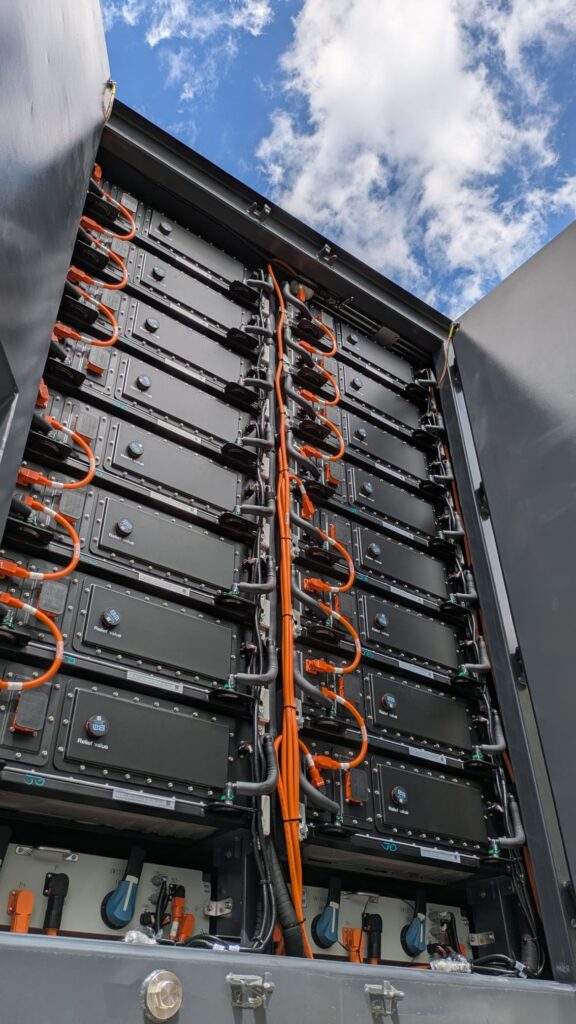
Battery systems
Learn what battery systems are, how they are built and where they are used. Discover the differences between battery packs, BMS and BESS, explore common battery technologies and find the right battery system for your application.
Battery systems are used in a wide range of applications, from electric vehicles and industrial equipment to backup power and large-scale energy storage. Although the term is widely used, it can refer to different types of battery solutions depending on the application. Some people use it to describe a complete Battery Energy Storage System (BESS), while others refer to battery packs, industrial battery systems or custom-built battery solutions.
In general, a battery system is much more than a battery alone. It combines battery cells with the electronics, safety features and control systems needed to store and deliver energy safely, efficiently and reliably. Depending on its purpose, a battery system may include battery modules, a Battery Management System (BMS), cooling, communication interfaces and power electronics.
Understanding how battery systems are built and where different types of systems are used makes it easier to choose the right solution for your application. On this page, we explain the key components of a battery system, the differences between battery packs, battery modules and Battery Energy Storage Systems (BESS), the available battery technologies and the applications they are designed for.
How is a battery system built?
Every battery system is built from multiple components that work together to store, manage and deliver electrical energy safely. While the exact configuration depends on the application, most modern battery systems follow the same basic structure.
It starts with individual battery cells. Multiple cells are combined into battery modules, and multiple modules are assembled into a battery pack. To turn a battery pack into a complete battery system, additional components are required to monitor performance, protect the battery and communicate with connected equipment.
A complete battery system typically consists of:
- Battery cells that store electrical energy.
- Battery modules that combine multiple cells into manageable building blocks.
- A battery pack that brings multiple modules together to provide the required voltage and capacity.
- A Battery Management System (BMS) that monitors voltage, temperature, current and state of charge while protecting the battery against unsafe operating conditions.
- Thermal management, such as air or liquid cooling, to keep the battery operating within its optimal temperature range.
- Power electronics that regulate the flow of energy between the battery and the connected application.
- Communication interfaces that allow the battery system to exchange information with chargers, machines, vehicles or energy management systems.
- Safety systems that protect both the battery and its surroundings in the event of abnormal operating conditions.
Not every battery system includes every component to the same extent. A compact battery pack for a mobile application is typically much simpler than a large Battery Energy Storage System (BESS), which may also include inverters, energy management software, fire protection and advanced monitoring systems. However, the principle remains the same: individual battery cells are combined with electronics and safety systems to create a reliable and complete battery solution.
Table of Contents
Battery cells, modules, packs and systems explained
The terms battery cell, battery module, battery pack and battery system are often used interchangeably. Although they are closely related, each refers to a different level within the overall battery architecture.
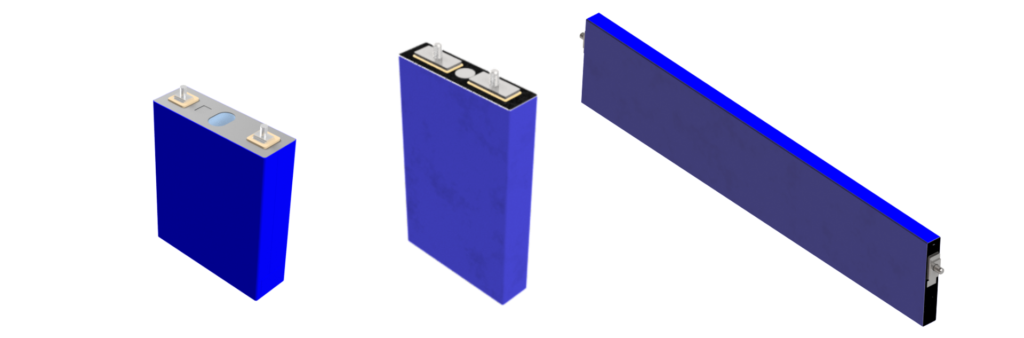
Battery cell
A battery cell is the smallest unit that stores electrical energy. Each cell has a fixed voltage and capacity. Lithium-ion and lead-acid batteries are both built from individual cells, with the number of cells depending on the required voltage and performance.
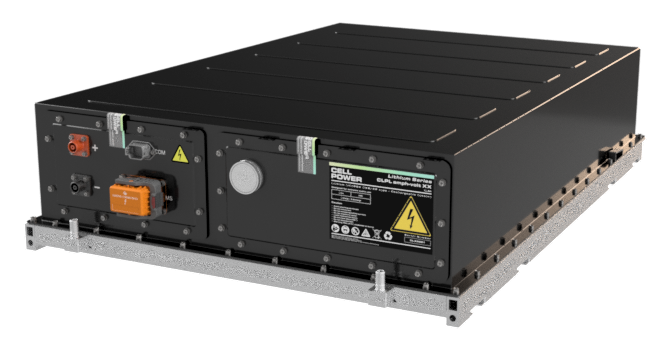
Battery module
A battery module combines multiple battery cells into a single unit. Grouping cells into modules improves mechanical stability, simplifies assembly and makes battery systems easier to scale and maintain.
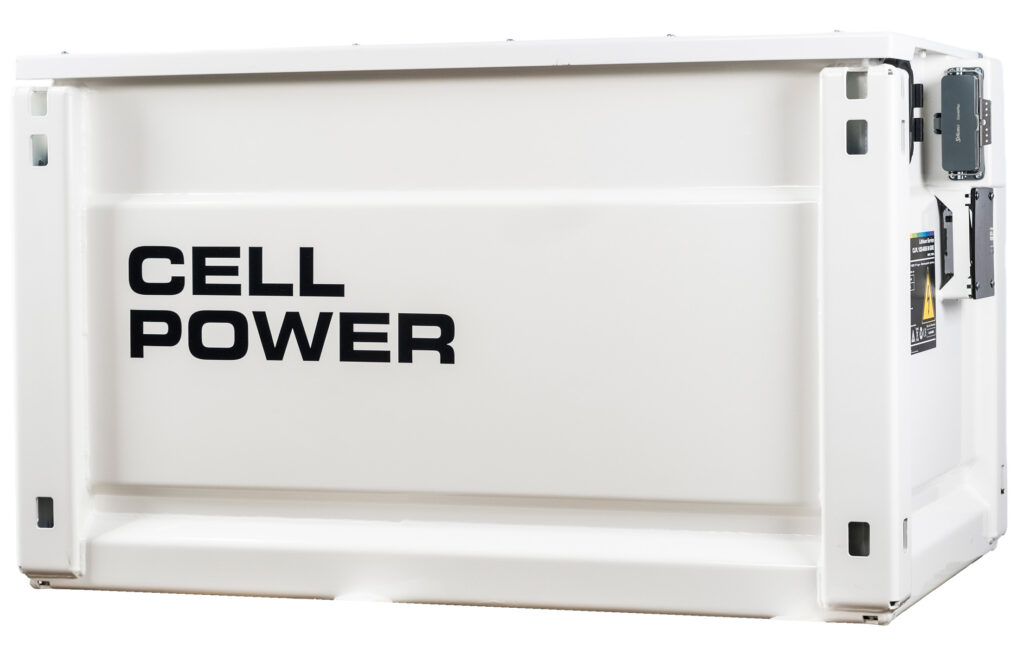
Battery pack
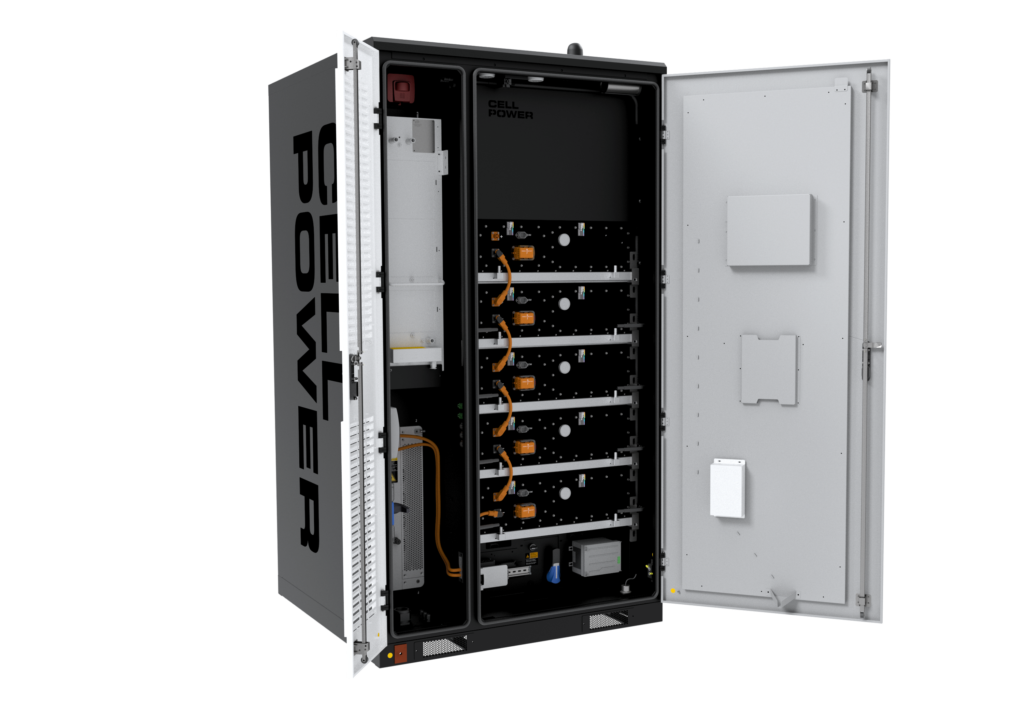
A battery pack consists of one or more battery modules connected to achieve the required voltage, capacity and power output. Depending on the application, a battery pack may also include components such as a Battery Management System (BMS), thermal management, chargers and IoT modules.
Battery system
A battery system is the complete solution. In addition to the battery pack, it includes the electronics, communication, thermal management and safety systems required to operate the battery safely and efficiently within its application. For larger installations, a battery system may also incorporate power conversion equipment and energy management software.
In short, every battery system contains a battery pack, every battery pack contains one or more battery modules, and every battery module is built from individual battery cells.
In practice, modern battery packs sometimes already integrate components such as a Battery Management System (BMS), sensors and protective electronics. As a result, the distinction between a battery pack and a battery system is not always clear and depends on the application and manufacturer.
Our custom battery packs and off-highway battery packs are examples of fully integrated battery systems, combining battery cells with the electronics, monitoring and safety features required for the application.
The role of a Battery Management System (BMS)
A Battery Management System (BMS) is one of the most important components of a modern battery system. It continuously monitors and controls the battery to ensure safe operation, maximise performance and extend its service life.
The BMS measures key battery parameters such as voltage, current, temperature and state of charge. Based on this information, it can detect abnormal conditions and take protective action when necessary. For example, a BMS helps prevent overcharging, deep discharging, overheating and excessive current, all of which can negatively affect battery performance and lifespan.
In addition to protecting the battery, many Battery Management Systems also provide valuable operational data. They communicate with chargers, vehicles, industrial equipment or Energy Management Systems (EMS), allowing users to monitor battery health and optimise performance over time.
The complexity of a BMS depends on the application. A compact battery pack for a mobile device requires different functionality than a large industrial battery system or a Battery Energy Storage System (BESS). However, the purpose remains the same: to keep the battery operating safely, efficiently and reliably throughout its lifetime.
As battery technology continues to evolve, the Battery Management System has become an essential part of virtually every modern lithium battery system.
Battery systems for different applications
Different battery systems are designed for different applications. Whether you need to power vehicles and machines, provide backup power, store renewable energy or develop a custom battery solution, choosing the right system starts with understanding your application.

Motive
Cyclic batteries for light EV machines and applications, such as Mobility, AWP, Automotive, Cleaning, Golf, Utility, Light EV, Material Handling and more.

Standby
Stationary back-up power used in Telecom, UPS, Data Centres, Emergency Lightning, Industry, Utilities, Renewable Energy, Medical applications and more.
Storage
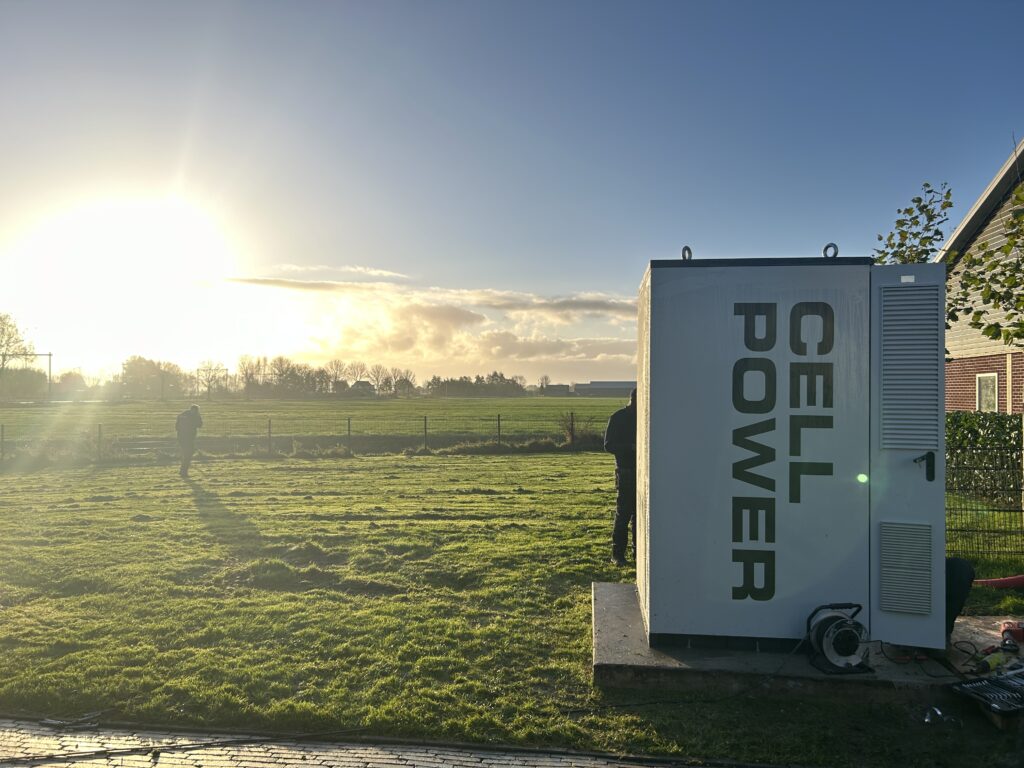
Battery Energy Storage Systems (BESS) that smartly connect to the grid or a renewable energy source to resolve grid congestion, for peak shaving applications and more.
Electrification
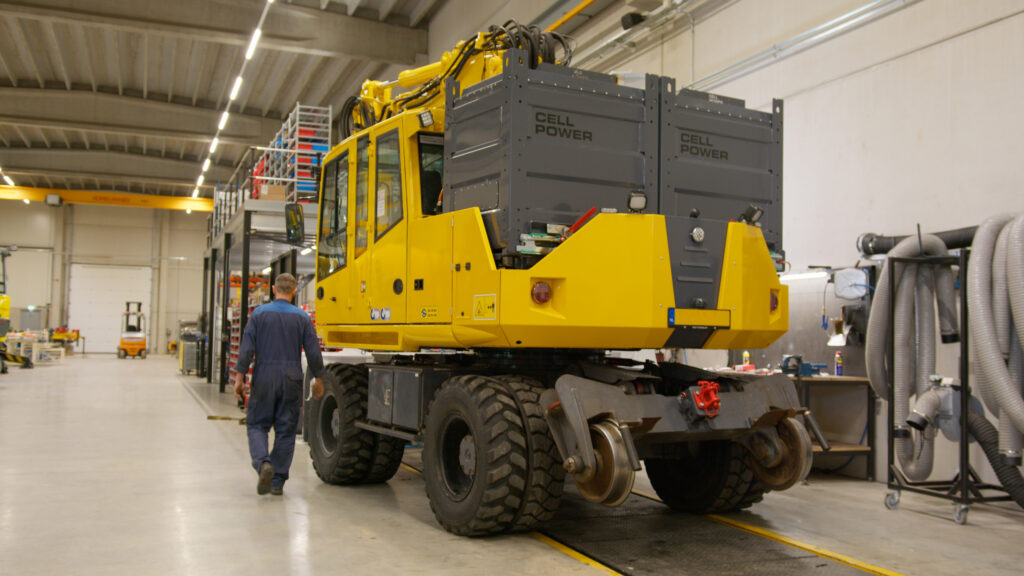
Off-highway battery packs for the electrification of machinery. Swapable or fixed and in any shape and size you need. Co-creation possible for a perfect fit.
Battery technologies
Battery systems can be built using different battery technologies, each with its own characteristics and advantages. The most suitable technology depends on factors such as the required energy capacity, power output, charging speed, cycle life, operating environment and maintenance requirements.
Lithium technologies are widely used in applications that require high energy density, long service life and fast charging. Lead-acid and Lead Carbon batteries remain reliable solutions for many standby, backup power and industrial applications where cost-effectiveness are important.
Choosing the right battery technology is only one part of designing an effective battery system. The overall system architecture, Battery Management System (BMS), thermal management and application requirements all play an equally important role in achieving reliable and safe performance.
As battery technologies continue to evolve, selecting the right battery system increasingly requires balancing performance, lifetime, safety and total cost of ownership. Understanding these differences helps ensure that the chosen solution matches the demands of the application.
Choosing the right battery system
Selecting the right battery system starts with understanding the application. Every project has different requirements in terms of power, energy capacity, operating environment, charging profile, available installation space and expected service life.
Beyond selecting the appropriate battery technology, factors such as system integration, communication, safety, thermal management and future scalability all influence the long-term performance of a battery system. Choosing the right combination of these elements helps maximise reliability, efficiency and total cost of ownership.
Whether you require a standard battery solution or a fully customised system, working with an experienced battery specialist helps ensure that the battery system is designed to meet both today’s requirements and future operational demands.
Want help finding the right battery?
Our experts can help you find the right battery solution. Whether it’s for energy storage, electrification projects, motive power or standby & backup applications.
We’re happy to help
Why choose Intercel for battery systems?
With more than 40 years of experience in battery technology, Intercel supports businesses across Europe with reliable battery systems for a wide range of applications. Our expertise covers motive power, UPS and backup power, Battery Energy Storage Systems (BESS) and custom battery solutions.
From battery selection and system design to assembly and long-term support, we help customers develop battery systems that match their technical and operational requirements. Whether you need a standard battery product or a fully engineered solution, our specialists work with you to deliver a safe, reliable and future-proof battery system.
Our combination of engineering expertise, European battery assembly and application knowledge enables us to support customers throughout the complete lifecycle of their battery system.
FAQ
What is the difference between a battery system and a battery pack?
The terms battery pack and battery system are sometimes used interchangeably, but they do not always mean the same thing. In general, a battery pack refers to the battery assembly itself, while a battery system also includes the electronics, monitoring, communication and safety features required for reliable operation.
In practice, however, many modern battery packs already integrate components such as a Battery Management System (BMS), sensors and protective electronics. As a result, the distinction between a battery pack and a battery system is not always clear and depends on the application and manufacturer.
Our custom battery packs and off-highway battery packs are examples of fully integrated battery systems, combining battery cells with the electronics, monitoring and safety features required for the application.
What is a Battery Management System (BMS)?
A Battery Management System (BMS) monitors and protects the battery during operation. It measures parameters such as voltage, current and temperature, helping to prevent overcharging, deep discharging and overheating while optimising battery performance and lifespan.
What is a Battery Energy Storage System (BESS)?
A Battery Energy Storage System (BESS) is a battery system designed to store electrical energy for later use. Businesses use BESS for applications such as peak shaving, increasing self-consumption of renewable energy, backup power and managing grid congestion.
More about Battery Energy Storage Systems
Which battery technology is best for a battery system?
There is no single battery technology that is best for every application. The right choice depends on factors such as energy demand, charging profile, cycle life, operating environment and budget. Lithium-ion, LiFePO₄, Lead Carbon and lead-acid batteries all have advantages depending on the intended application.
More about battery technologies
Can a battery system be customised?
Yes. Many industrial applications require battery systems that are specifically engineered for their electrical, mechanical or environmental requirements. Custom battery systems can be designed with the appropriate voltage, capacity, communication protocols, enclosure and integration for the intended application.
How long does a battery system last?
The lifespan of a battery system depends on the battery technology, operating conditions and usage profile. Factors such as charging behaviour, depth of discharge, operating temperature and system design all influence the overall service life.
When long service life is a priority, battery systems can be specifically designed and configured for long-life operation. By selecting the right battery technology and optimising the system for the intended application, it is possible to maximise both lifetime and long-term reliability.built specifically for long-life operation.
How do I choose the right battery system?
Choosing the right battery system starts with understanding the application. Required power, energy capacity, charging profile, installation space, environmental conditions and future scalability should all be considered before selecting a battery system. Working with an experienced battery specialist helps ensure the system is designed to meet both technical and operational requirements.
Our battery finder helps you filter for the right options for your application.
Why choose European battery systems?
Working with a European battery company offers several advantages, including shorter communication lines, local technical support, reliable supply chains and a better understanding of European regulations and quality standards. These benefits can help reduce project risks and improve long-term product support.
Read more about this topic: Dutch battery factory & European battery.
Customer stories
-
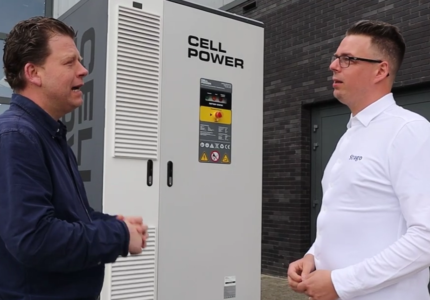
314 kWh – Strago Electro
“With this energy storage system we can use 70% of our own generated power instead of only 20%.” How to use Cellpower energy storage to increase self-consumption.
-
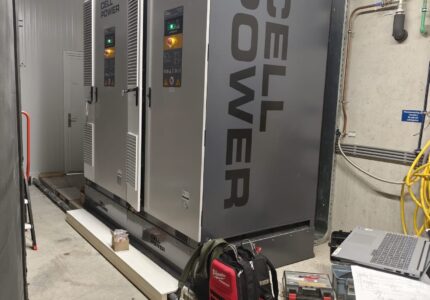
522 kWh – Holland Casino
No power outages at Holland Casino due to Cellpower energy storage
-

314 kWh – Postillion Hotel Bunnik
Postillion Hotel Bunnik makes sure they always have enough power with their very own Cellpower energy storage system
Question or comment?
Do you have a question about this topic, or want to exchange thoughts about energy solutions?
Reach out, our specialists are happy to help.